
News from the Studio
Hello!
Welcome to our December newsletter and the close of another year. As 2025 comes to an end, we’ve been reflecting on the work we’ve had the privilege to do and the people we’ve had the chance to do it with. Designing spaces is always collaborative, and we’re grateful for the trust, conversations, and relationships that have shaped the year.
In this issue, we explore hospitality as a way of thinking about space — how environments can feel welcoming, intuitive, and supportive, and why that sensibility shows up everywhere from homes to workplaces. You’ll also find updates from the studio and gallery, along with a community spotlight on Friendly House, a neighborhood organization doing meaningful work close to our studio.
Thank you for your continued interest in thoughtful design and for being part of our community. We look forward to staying connected and sharing more in 2026.
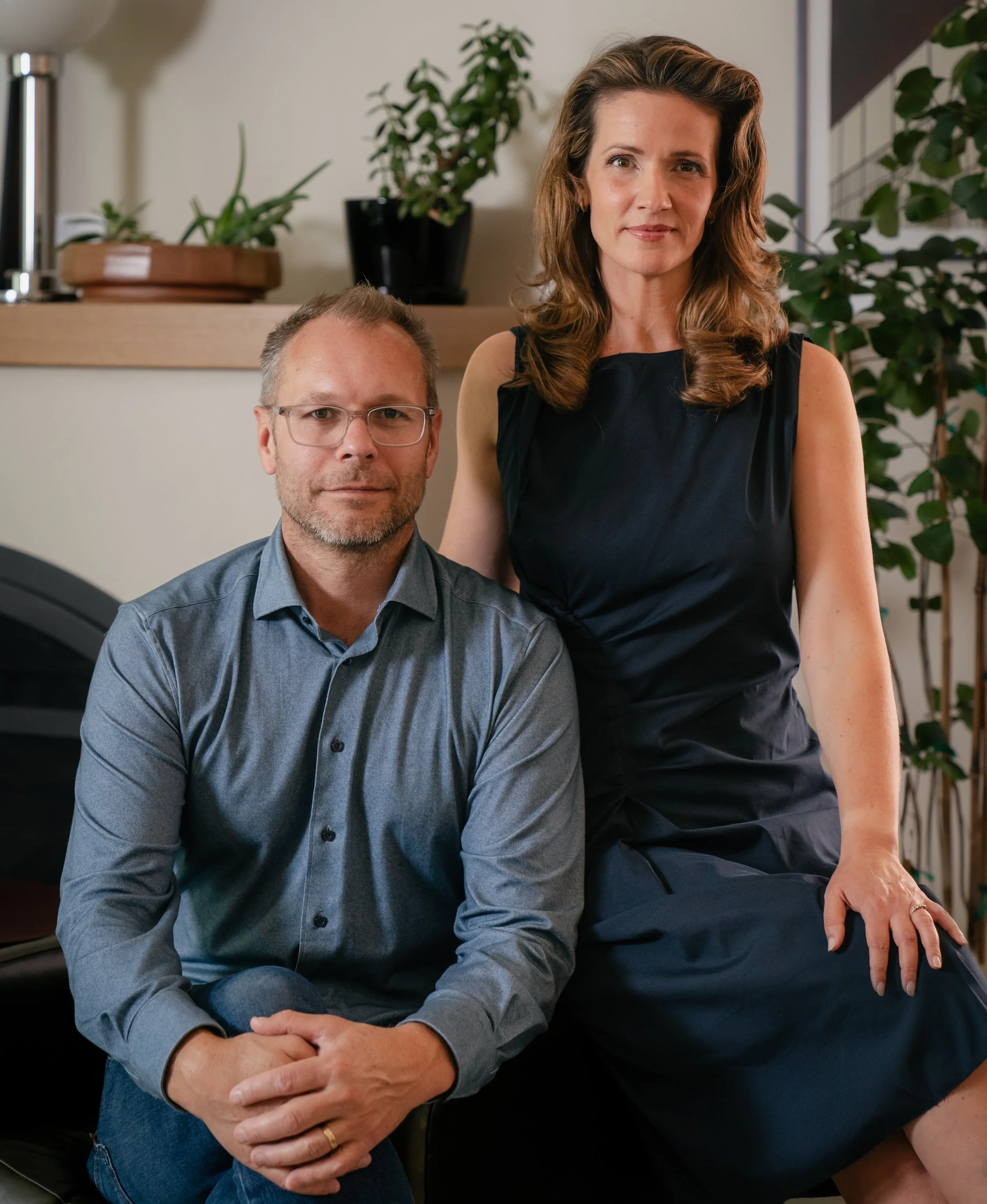
Arielle and Travis Weedman
Upon Reflection: Hospitality Everywhere
Travis and I came into design through hospitality, where success is measured not by how a space looks, but by how it makes people feel over time. Hospitality, at its best, creates places people want to be in. Spaces that feel welcoming, intuitive, and quietly supportive. Places that invite you to stay a little longer than you planned.
That ease is never accidental. The most compelling hospitality environments are built around people first, not aesthetics first. They consider how someone arrives, how they orient themselves, where they pause, where they gather, and how the space supports everyday use. This is what separates sophisticated hospitality from something merely decorative. One feels layered and intentional. The other feels thin, regardless of how polished it appears.
Good hospitality begins with a spatial greeting. The moment of arrival sets the tone through proportion, light, and sightlines. Visual symmetry offers calm. Controlled views create focus. Layered lighting shapes atmosphere and softens transitions as one space unfolds into the next. Rather than flooding a room with brightness, light is used selectively, creating depth and allowing a space to feel alive.

The clubhouse, a favorite hangout at our studio. Photo by George Barberis
Movement through the space is choreographed. Circulation feels natural because it has been considered carefully. Transitions are optimized so no moment feels abrupt or unresolved. Gathering zones appear where people instinctively want to stop. Lounge-style seating encourages lingering. Bar-height surfaces invite conversation. Waiting areas feel social rather than passive. These are not stylistic gestures. They are responses to human behavior.
Sound matters as much as sight. Acoustic softness allows people to settle in and stay longer. Materials absorb and temper noise so conversations feel comfortable, even in shared environments. Tactile finishes add another layer of experience. Surfaces are meant to be touched, not just seen. High-touch materials create a sense of care that people feel immediately, even if they cannot articulate why.
Operational intelligence sits quietly beneath it all. Storage is concealed. Lighting is controlled. The mechanics of the space disappear so the experience feels effortless. Nothing feels off-the-shelf because nothing is treated as incidental. Each element contributes to the narrative that the space is telling.
This way of thinking now extends far beyond hotels and restaurants. Workplaces and homes alike borrow from hospitality when they prioritize atmosphere, connection, and memory alongside function. As the boundaries between living, working, and gathering continue to blur, hospitality offers a clear guide. Not as a style to imitate, but as a mindset rooted in generosity.
When people are placed at the center of design, spaces become more than environments. They become experiences that stay with you. The kind you remember, return to, and never quite want to leave.
Community Highlight: Friendly House
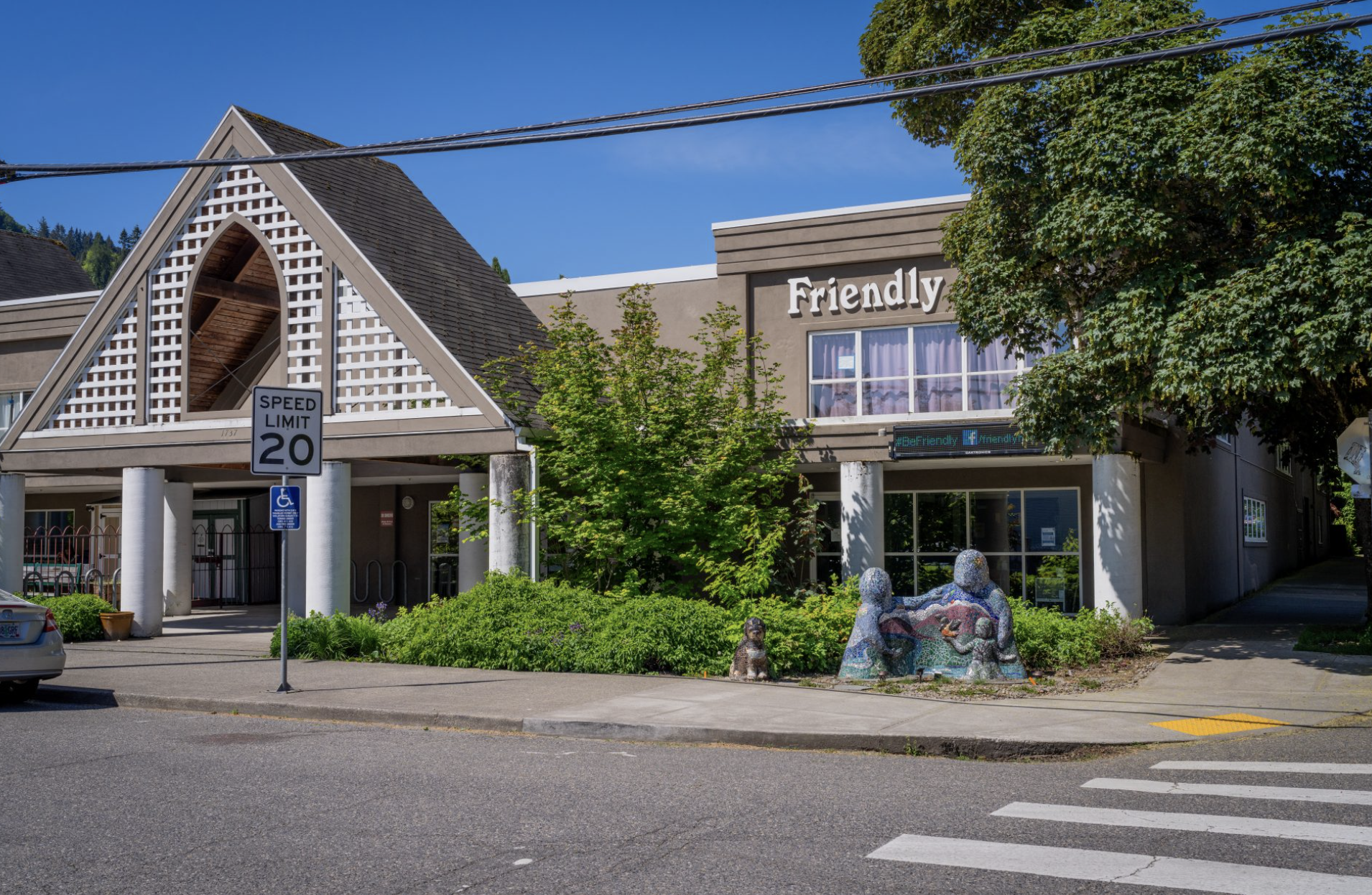
Friendly House, 1737 NW 26th Ave, Portland
Friendly House is one of those places that quietly makes a big impact. Located in our neighborhood, just a short distance from our studio, it has been bringing people together in meaningful ways for nearly a century. From early childhood programs and after-school care to senior support, fitness classes, and inclusive neighborhood events, Friendly House supports people at every stage of life.
Their work serves individuals and families of all ages and backgrounds, including dedicated programs for LGBTQ+ seniors, helping ensure that everyone has a place to feel seen, supported, and connected. This year, Travis joined the Friendly House board, deepening our connection to an organization whose values align closely with our own. If you’re not familiar with Friendly House or haven’t had the chance to visit, we encourage you to explore what they offer and consider joining us in supporting their work.
If you’re looking for a local organization to support this season, Friendly House is doing work that truly makes a difference. Learn more or donate at fhpdx.org.
In the Gallery
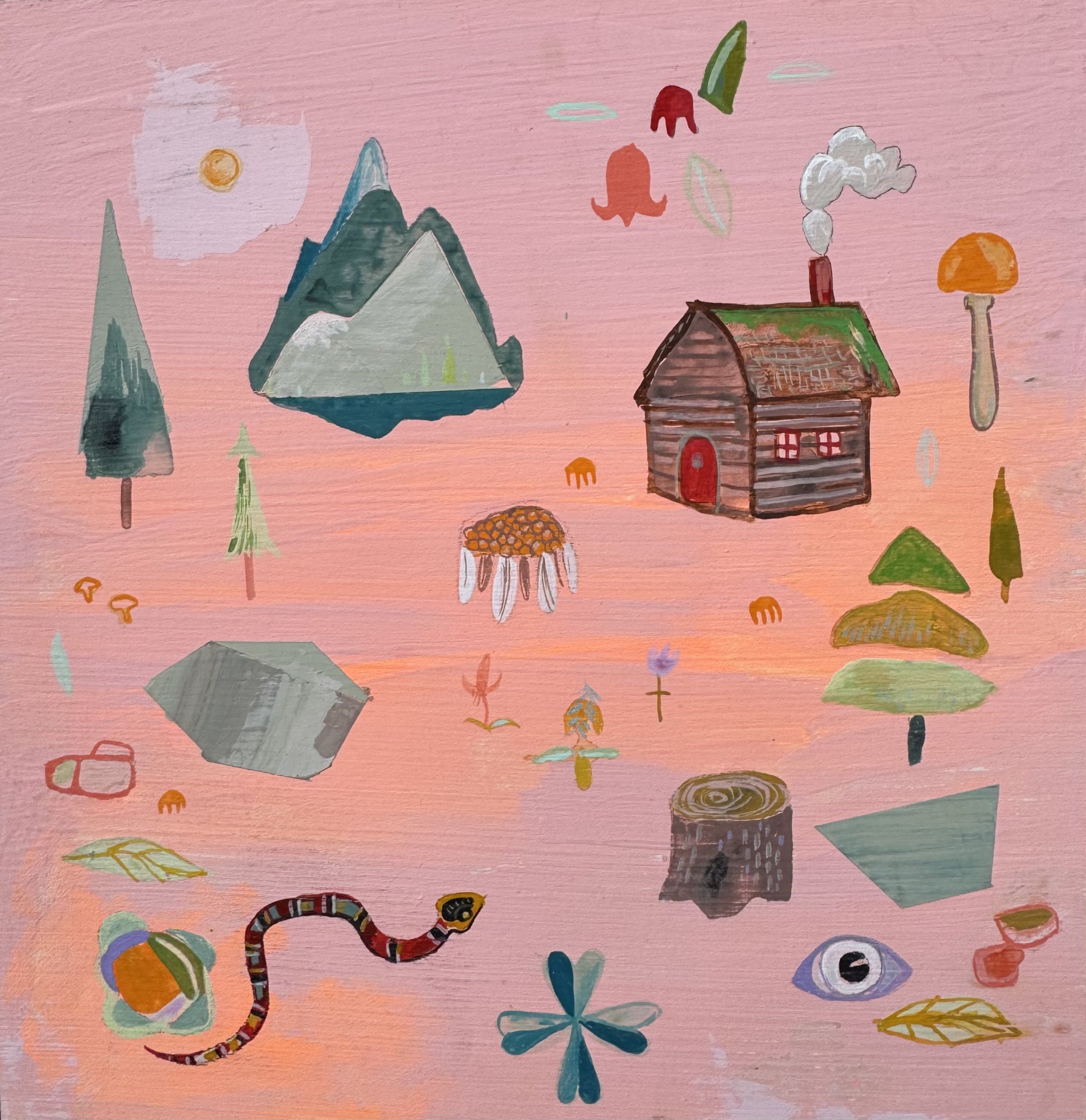
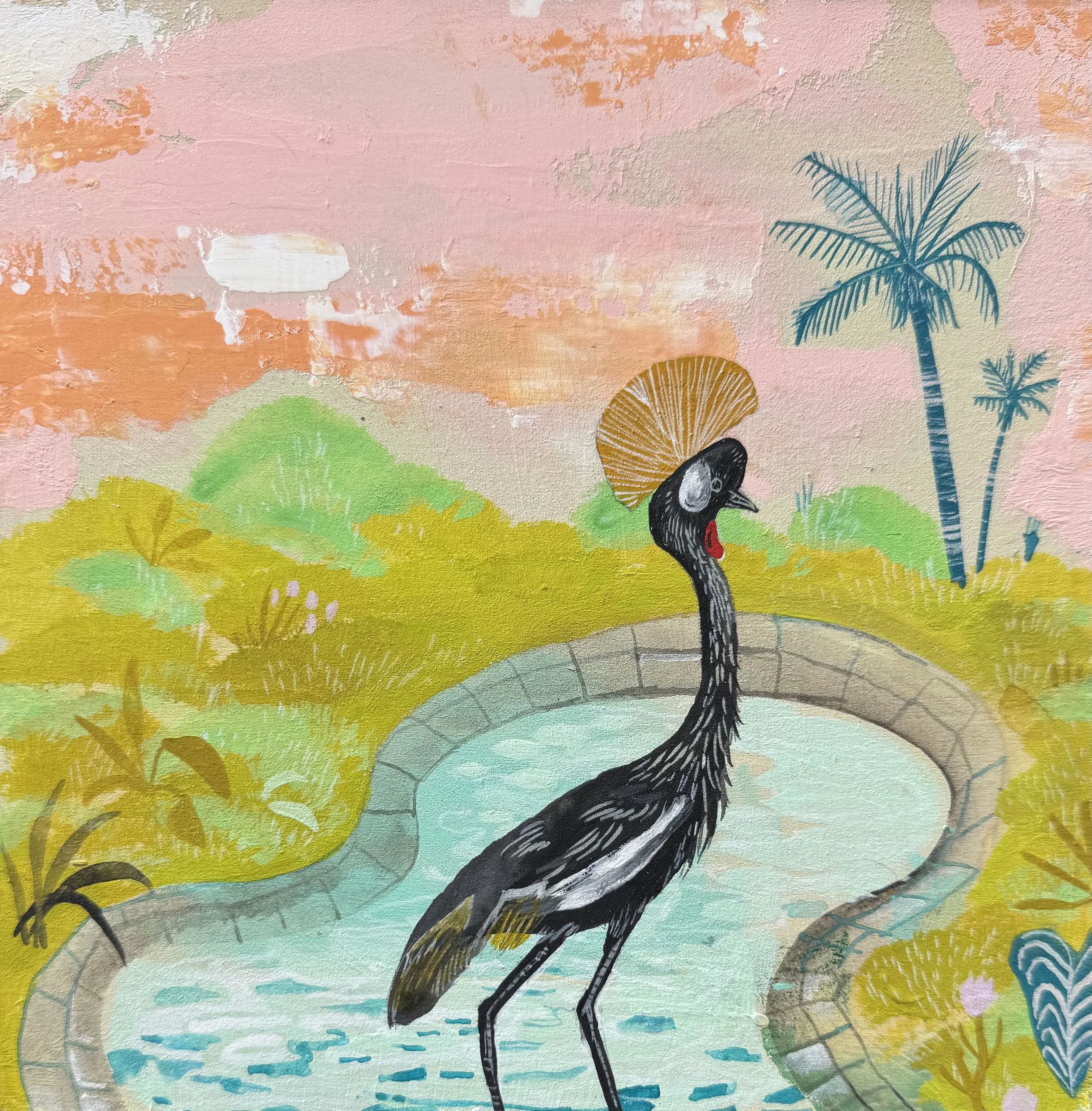
Our current exhibition features Portland-based artist Wesley Younie and his body of work, Forgotten Isle, a richly imagined world where beauty and unease quietly coexist. Drawing on influences that range from Chinoiserie and fairy tales to natural history and popular media, Younie’s paintings explore the blurred boundaries between the organic and the artificial, the ancient and the modern. His meticulously layered compositions of flora, fauna, and fantastical architecture reflect the tensions of contemporary life, where reverence for nature collides with overdevelopment and digital escapism.
The exhibition will be on view through January 9, and Wesley will be holding open studio hours on Friday, December 19, from 12–4 PM. We were thrilled by the energy and turnout at the opening on December 10 and invite you to stop by to experience his work firsthand!
Quick Tip!
See your space like a guest! One of the simplest ways to understand a space is to experience it the way a guest would. Walk through your home as if you’re seeing it for the first time. Notice what you see, what you feel, and even what you smell upon entry. That first impression carries more weight than we often realize.
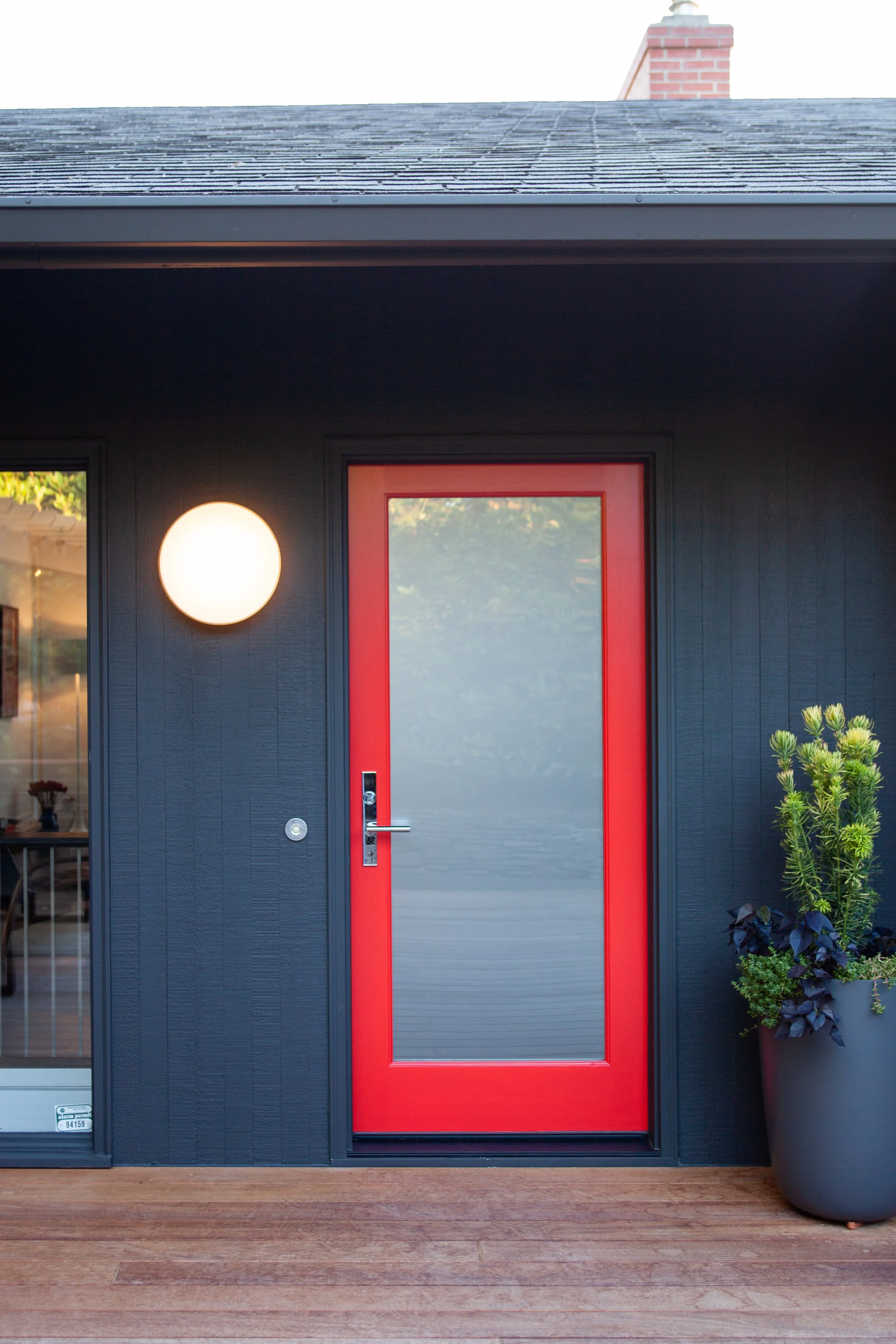
Two of our favorite ways to gain perspective are surprisingly simple. Step outside and re-enter your home, paying attention to how the space greets you. Then take a few unstaged photos throughout the house. When you review them later, patterns tend to emerge. What draws the eye, what feels cluttered, and what quietly works may become clearer.
Design impact often begins with awareness.
We hope you found something here to inspire your own spaces. If you have questions about design, are considering a project, or simply need a trusted resource, we’d love to hear from you. You can reach us anytime at info@weedmandesignpartners.com, or explore more of our work at weedmandesignpartners.com.
Would you like to receive our Newsletter in your inbox? Fill out the “Stay in the Know” form on our website here.