
April News from the Studio
Hello!
Spring always brings a particular kind of momentum. Projects move from planning into action, the gallery calendar turns, and suddenly we are all paying attention to the light again, indoors and out.
This month’s reflection is about designing for connection. The small spatial choices that make it easier to collaborate, to linger, and to feel welcome. It is one of the most practical things design can do, and one of the easiest to overlook until you feel the difference.
In this issue, you will also find an update on Portland Arts Week, a look at what is happening in the gallery, and a few outdoor-season notes that can make a patio feel more finished without starting over.
Thank you for staying connected with us.
With appreciation,
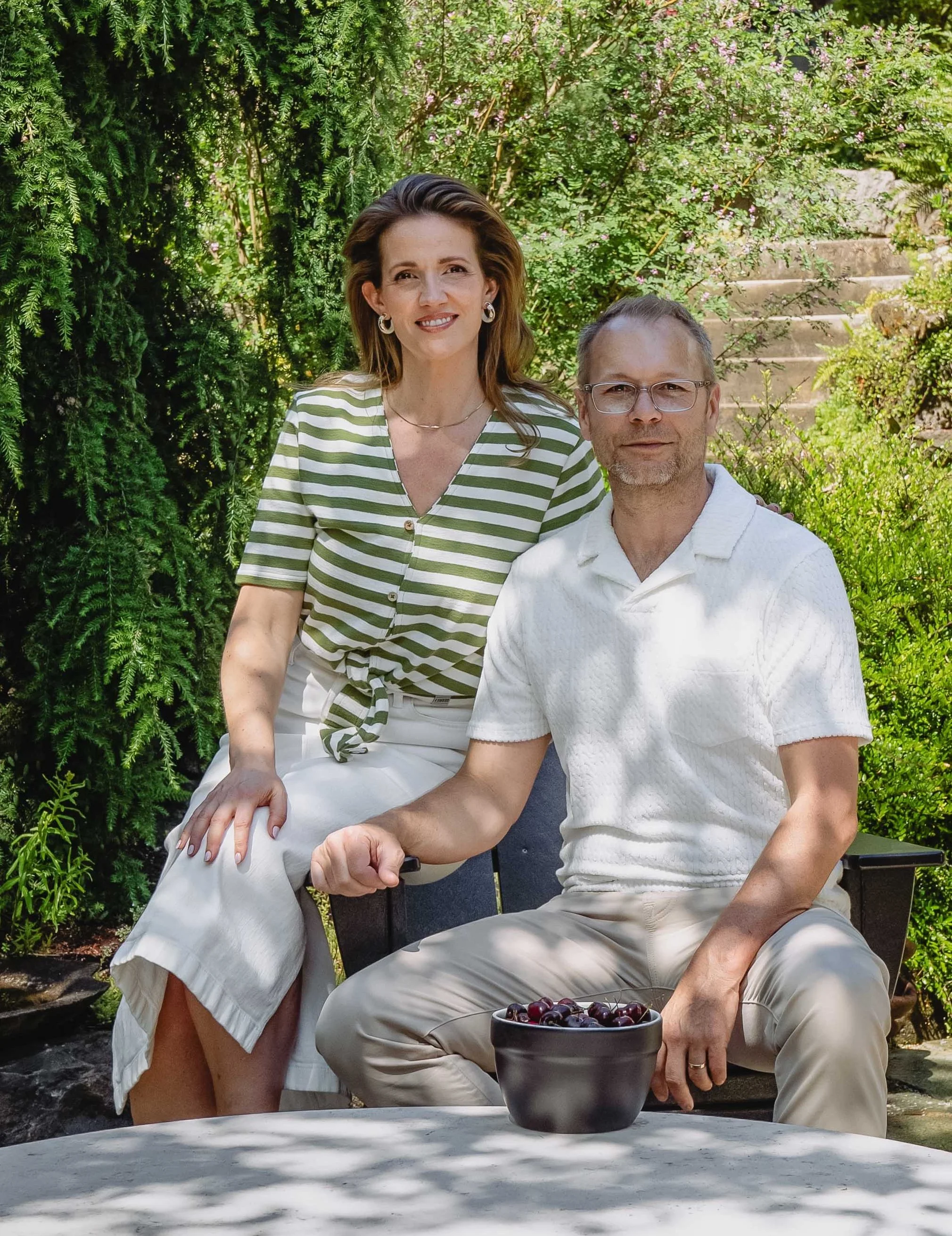
Arielle and Travis Weedman
Upon Reflection: Designing for Connection
Connection is not something we leave to chance. It is something a space either supports or quietly interrupts.
Not in obvious ways. In small ways. The distance between seats. The way circulation moves around a gathering spot. Whether joining a group feels natural or like an interruption. Whether there is a place to perch, even briefly, that turns passing through into staying a moment longer.
And it matters because most of us are craving more of it, whether we say that out loud or not. Life is busy. Schedules stack. Screens take up space. We can be “together” all day and still feel a little disconnected.
A home can either make it easy to share a meal, talk for ten extra minutes, and feel grounded again, or it can quietly send everyone to separate corners. In workplaces and hospitality settings, the stakes are similar. People remember how a space made it feel to arrive, to belong, to collaborate, to celebrate. Connection is not a bonus feature. It is part of what makes a space work.
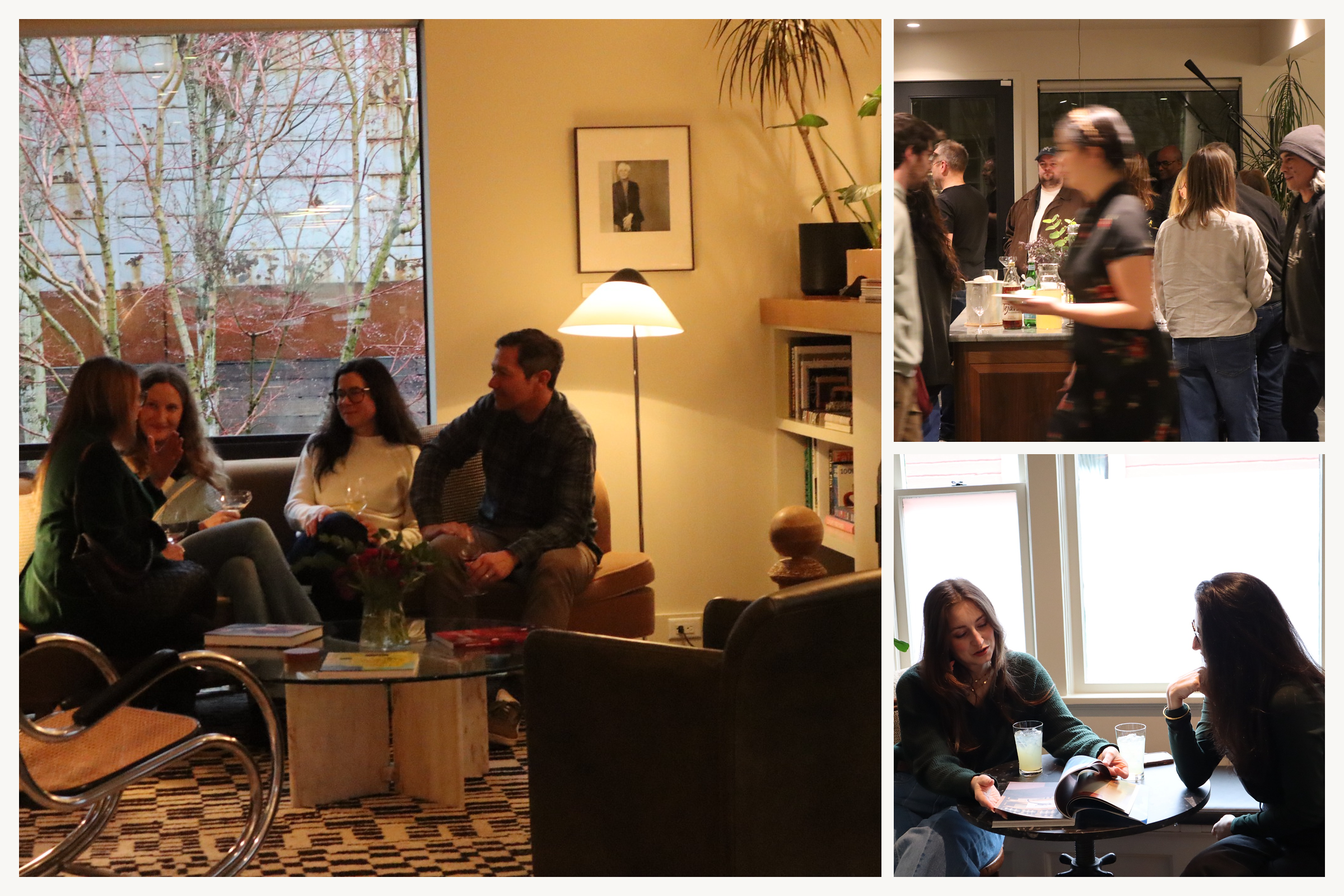
Designing for connection is not about forcing togetherness. It is about creating the conditions where people can come together naturally, in the way that fits the moment. Sometimes that looks like collaboration and energy. Sometimes it looks like intimacy and calm. The best spaces can hold both, and do not ask you to choose.
Collaboration needs ease. It starts with a surface that welcomes people, like a generous kitchen island, a communal table, or a work surface that can handle real life and real work. Clear circulation matters too, so no one feels like they are interrupting when they join in. And the lighting should make faces feel friendly, and ideas feel possible. When connection is easy, it becomes frequent. People participate because the space makes it simple.
Intimacy needs permission. It needs a sense of boundary and softness, not isolation. A nook that feels held. Lighting that lowers the volume of the room. Materials that soften sound and slow the pace. The message is subtle but clear: you can settle in here.
The most powerful connective tool is often distance. Too far apart and people do not engage. Too close and people feel on display. When a conversation grouping is comfortably contained, and there is an easy path around it, people relax. They sit. They stay. They talk without feeling like they are blocking traffic.
And then there is sound, the factor everyone feels and few people name. Connection is hard when a room echoes, when every conversation becomes public, or when you have to work too hard to be heard. Soft materials and thoughtful acoustics can make a space feel instantly more human.
Ultimately, connection is not a style. It is a feeling, and it is available in every kind of space. It is created through choices that make room for people, not just furniture. When we design for connection, we are designing for how life actually happens.
Non-profit Feature: Portland Arts Week
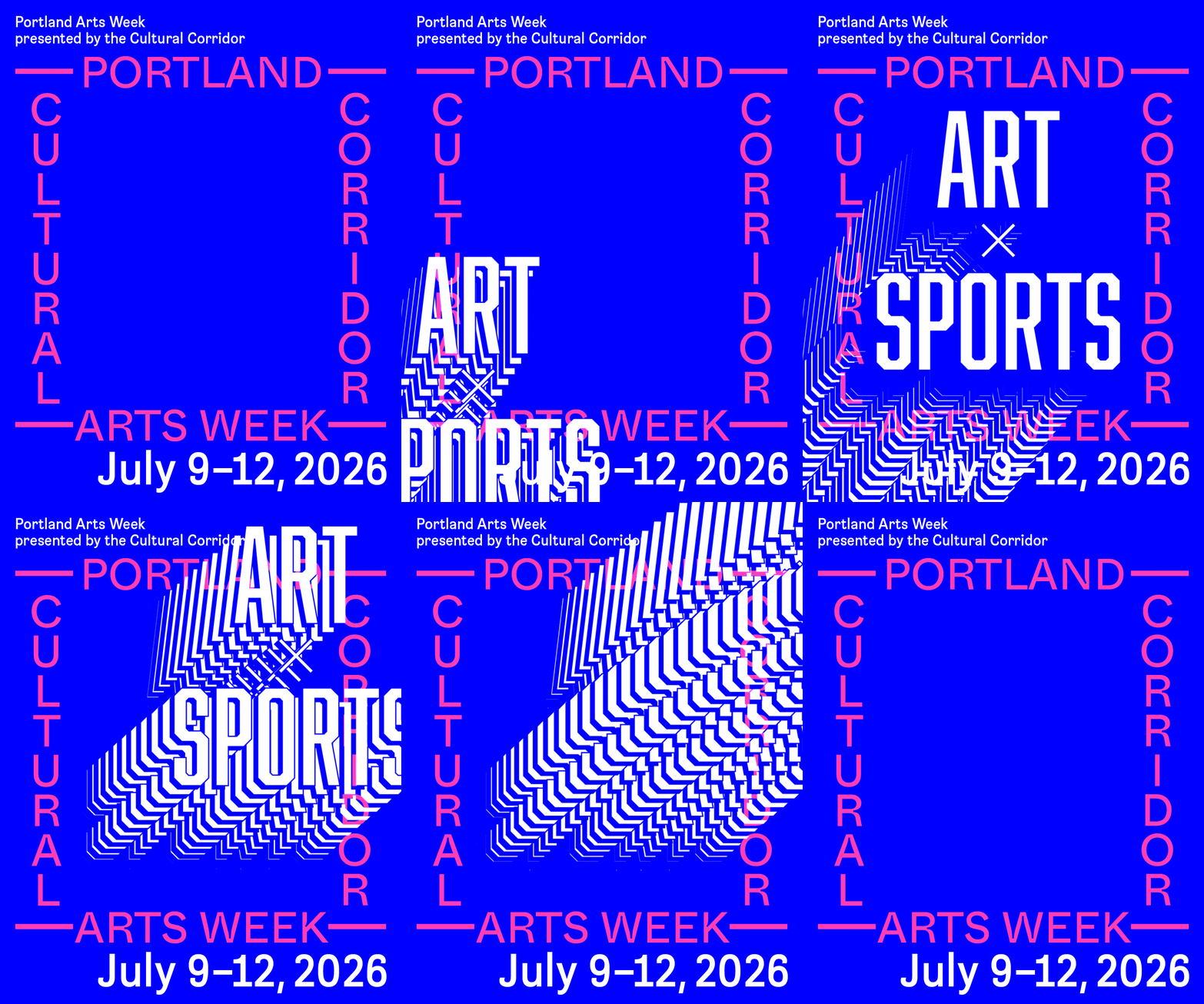
Portland Arts Week is coming, and we are excited to share it with you. Arielle is serving as Vice Chair for this inaugural citywide initiative, helping bring new energy to Portland’s Cultural Corridor.
This year’s theme is Art & Sports, exploring the intersection of athletics and creative practice through movement, performance, identity, design, public space, and community. Portland Arts Week takes place July 9 to 12, 2026, with exhibitions and programming across galleries, museums, and cultural spaces.
The week kicks off with a symposium at the Portland Art Museum on July 9, followed by a special Second Thursday gallery walk later that day. The symposium continues on Friday, July 10, with a special performance at PICA in the evening. On Saturday, July 11, look for a Portland Thorns clinic plus performing arts at Darcelle Plaza. More programming is still to come on July 12.
Details and updates will continue to roll out, and many exhibitions will remain on view beyond the week. For the latest schedule and participating venues, and to join the mailing list, visit portlandartsweek.com.
In the Gallery
Current show: Body Language by Roberta Aylward
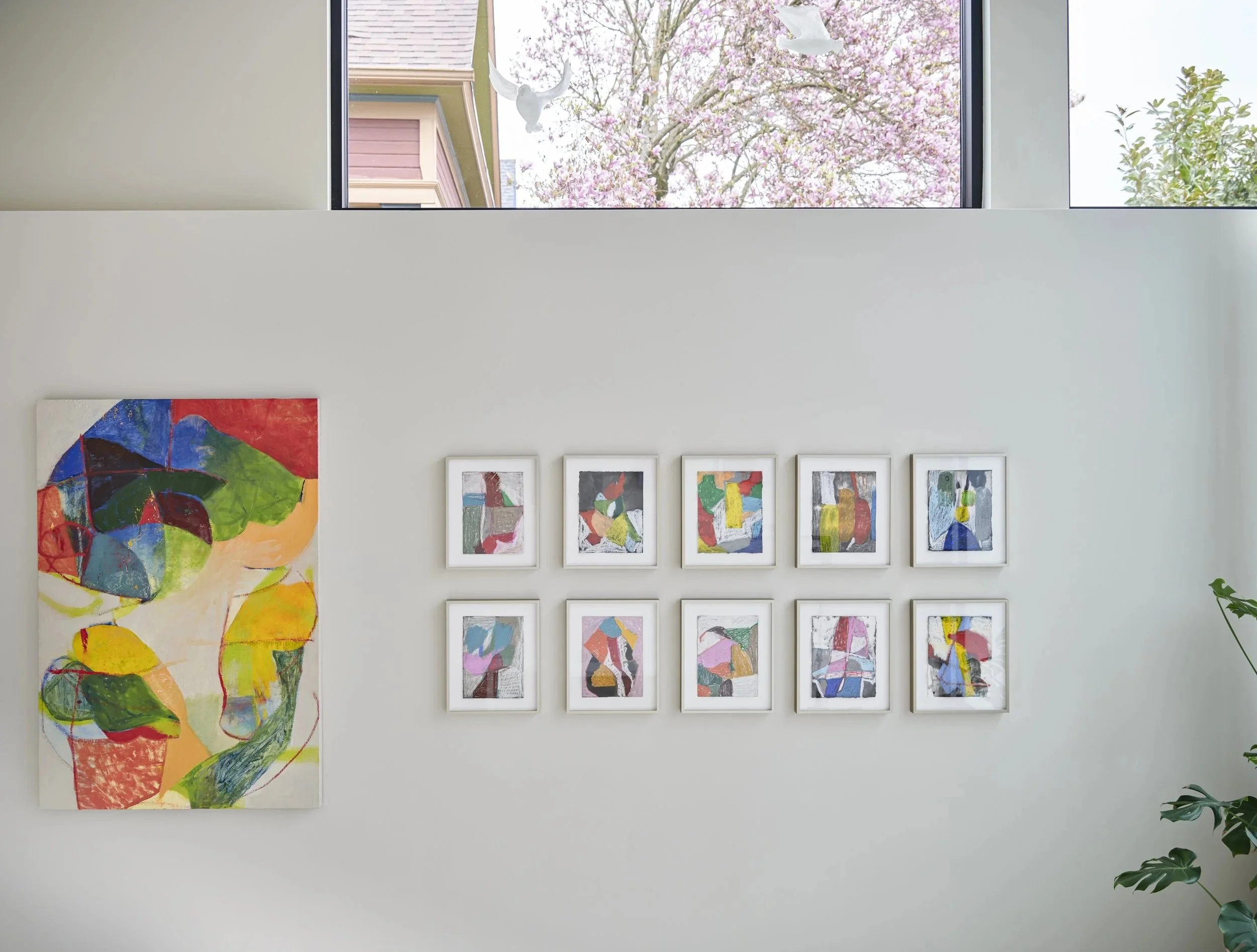
On view through May 8, 2026.
Roberta’s work is intuitive and gesture-forward, pieces that move between abstraction and the figure, often revealing something familiar just as you think you’ve lost it. If you haven’t made it in yet, consider this your last-call nudge. Our gallery is only open by appointment, so please let us know first if you'd like to stop by!
Next show: The Monument Valley by John Acevedo
On view May 16 through June 26th.
Opening Reception: May 16, 5:30 to 7:30 PM
John’s work draws from the monumental forms of the Spomeniks, reimagining them through color, transparency, and abstraction to reflect on unity, memory, and collective identity. We’d love to see you at the opening.
Quick Tips! Outdoor Refresh
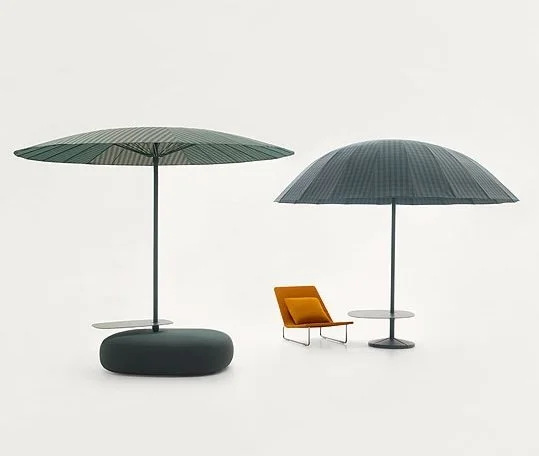
Beautiful and unusual shaped umbrellas from Paola Lenti make a dramatic, sculptural statement to outdoor spaces.
Umbrellas are the outdoor rug.
Think of a patio umbrella the way you would think of a rug inside. It defines the zone, anchors the furniture, and adds a layer of color and texture. The key is scale. When an umbrella is too small, the whole setup feels unfinished. When it is properly sized and thoughtfully chosen, the outdoor space suddenly feels intentional.
Before you replace the set, replace the cushions.
Before you start over with new outdoor furniture this spring, take a closer look at the cushions. Fresh outdoor upholstery or new cushion covers can completely revive a patio set. It is one of the fastest ways to make the whole space feel updated, without the cost or waste of replacing pieces that are still doing their job.
We hope you found something here to inspire your own spaces. If you have questions about design, are considering a project, or simply need a trusted resource, we’d love to hear from you. You can reach us anytime at info@weedmandesignpartners.com, or explore more of our work at weedmandesignpartners.com.
Would you like to receive our Newsletter in your inbox? Fill out the “Stay in the Know” form on our website here.