
August News from the Studio
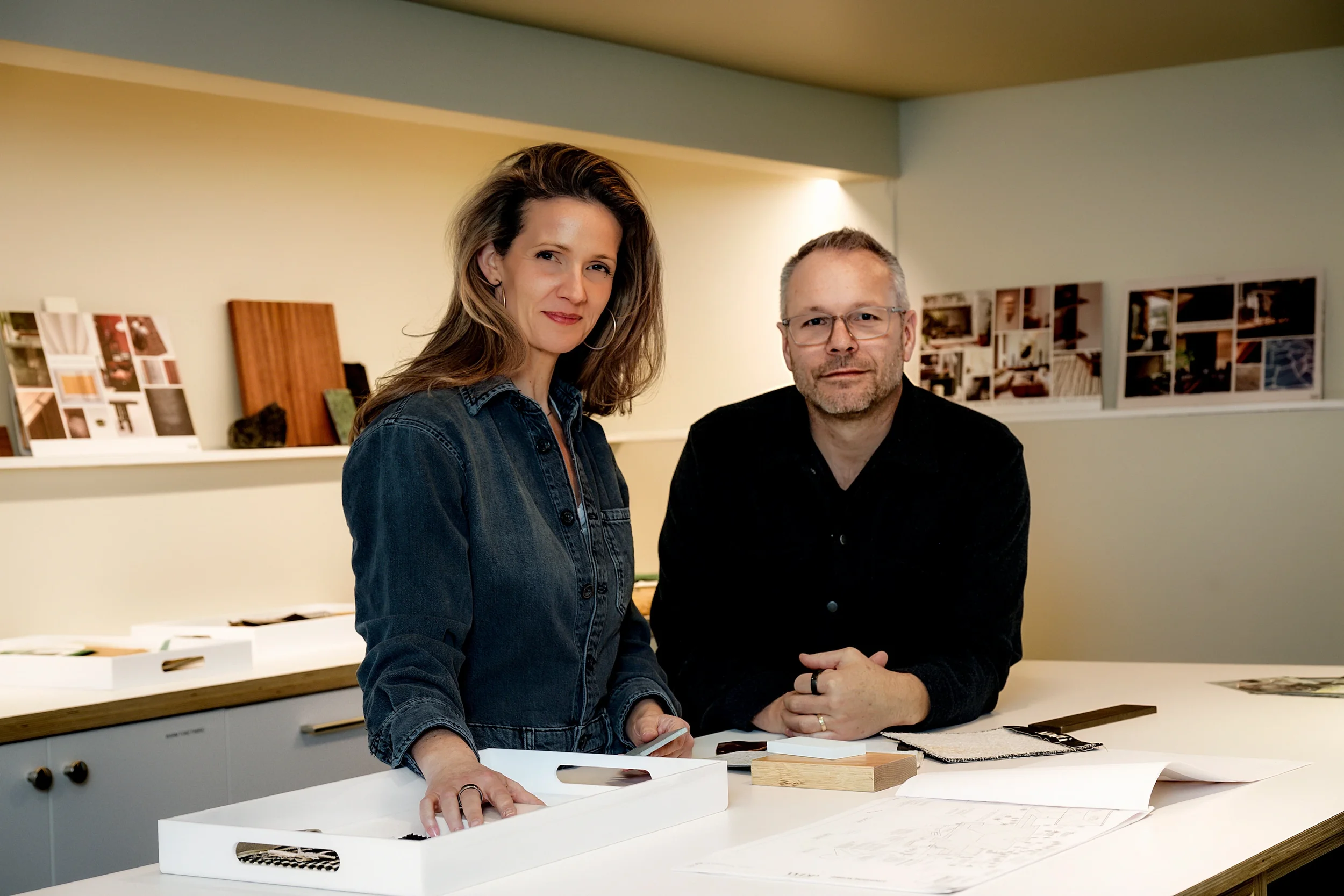
Hello!
Portland’s art season opens this week, and it opens big. Converge 45 kicks off today, turning sixteen venues across the city into a single exhibition, and PICA’s TBA Festival follows in September. We have laid out what we are most looking forward to inside. If you have been meaning to get back out to galleries, the next few weeks make it easy.
Closer to home, our website is new. It has been a long time coming, and it finally reflects the studio the way we actually experience it. We would love for you to take a look.
This issue’s reflection is about noticing — how a room can be looked at every day and still go unseen, and why the most useful thing we do is often not adding anything at all.
In the gallery, mark September 12 for the opening of Brian Libby’sIn Search of Portland. And if you have not yet seen Bruce Ely’s photographs,this Friday is your last chance.
As always, thank you for being here.
With appreciation,
Arielle and Travis Weedman
Upon Reflection: The Discipline of Noticing
A room can be looked at every day and still go unseen.
Not because anyone is careless. Because looking and seeing are different acts, and only one of them takes effort. We move through most spaces the way we read a familiar word — recognizing the shape, skipping the letters. It is efficient. It is also how a room quietly stops being asked anything.
There are two ways this happens, and they behave differently.
The first is the thing everyone sees and no one raises. A ceiling that presses down. A wall standing between two rooms that clearly want to be one. Nobody misses it. What goes missing is the question underneath it, because the answer feels like it might be expensive, or structural, or simply too large to open on a Tuesday. So the problem stays fully visible and completely unaddressed. It becomes furniture. And the strange mercy is that the imagined cost is almost always larger than the real one.
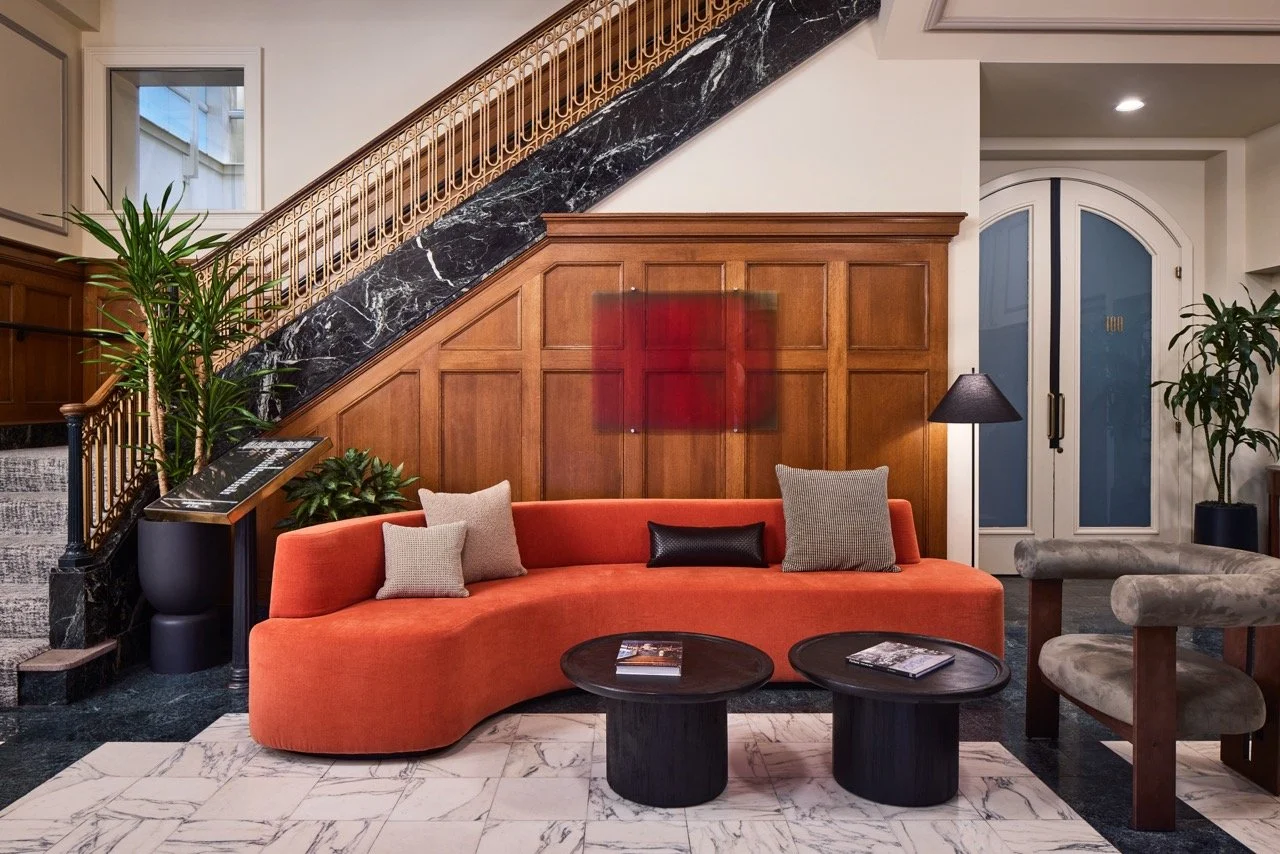
The second is harder, because there is nothing to point at. An absence does not announce itself. A house that never opens onto the landscape it was built for. A lobby with nowhere to sit and no reason to pause. A door that was never put where everyone clearly wants to walk. You cannot notice what was never built. You can only notice the small, unattributed friction it leaves behind — the pause before you decide which way to go, the room nobody uses, the party that keeps drifting into the kitchen.
These are not design problems yet. They are observations. The design comes afterward, and it comes easier.
Which is what a fresh set of eyes is actually for. Not taste, and not permission. Just the absence of habit — the ability to walk in without years of accumulated skipping.
The most useful thing we do is rarely the most visible thing. Often it is not adding at all. It is naming what was already there, or what should have been. Most rooms do not need more. They need someone to ask the question that stopped getting asked.
A New Home Online
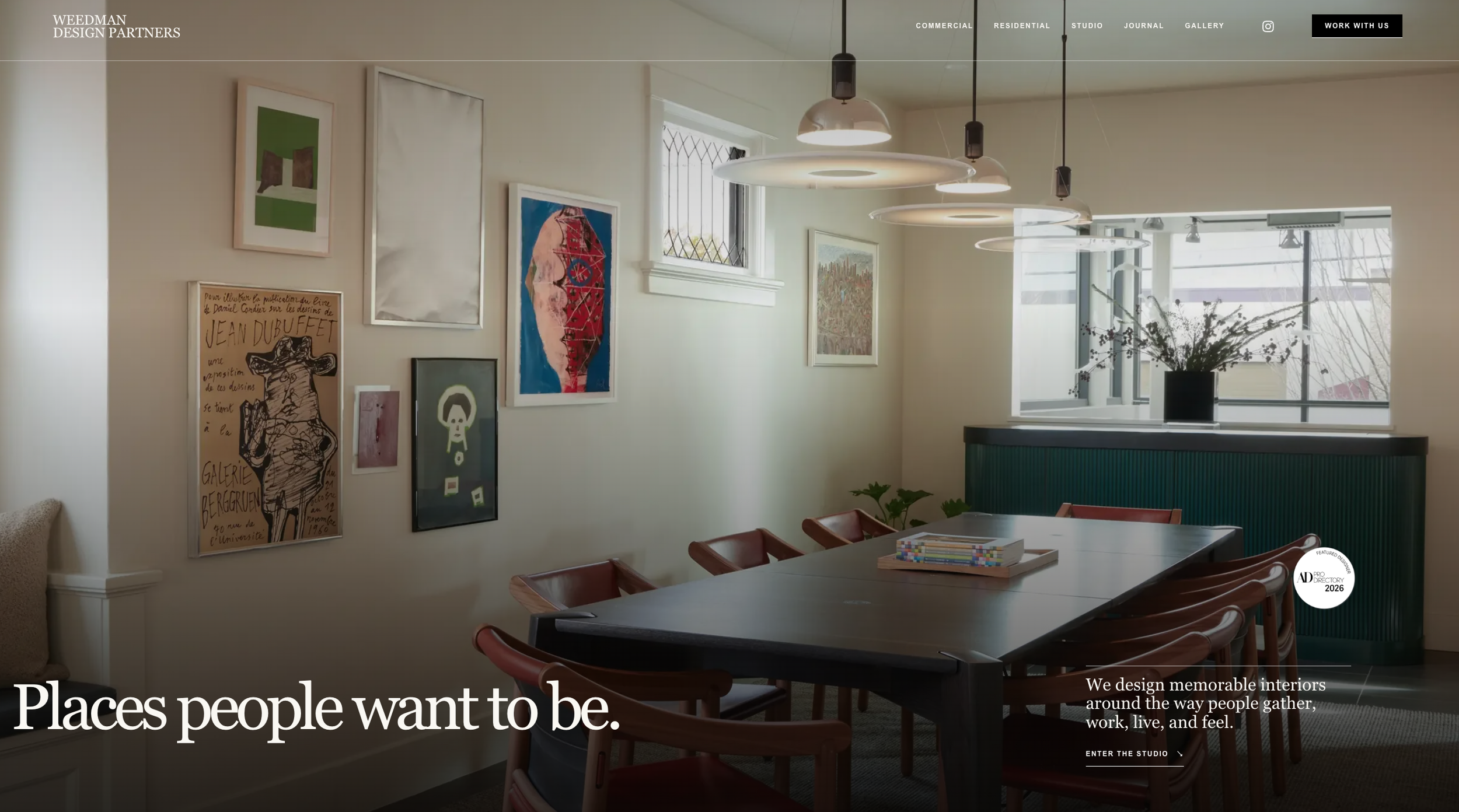
Our website has been rebuilt, and it finally sounds like us.
The old one was accurate. It listed what we do, sorted the work into the right categories, and answered the questions a prospective client would ask. It just didn't feel like anything. Which is a strange thing for a design studio to tolerate, and after a while it started to bother us.
The studio has never been only a place where drawings get made. It is also a room where art goes up, where people come by on a Thursday afternoon, where a project meeting runs long because the conversation got interesting. That side of it had no representation online at all.
So we started over, and this time we wrote it the way we talk. The work is easier to move through. The gallery has a real front door instead of a footnote. The writing sounds like a person rather than a firm.
It reads more like walking into 1905 NW 23rd, which was the entire point. Come look around: weedmandesignpartners.com
Portland's Art Season Starts Today!
Two things worth putting on your calendar, both of which turn the whole city into the venue.
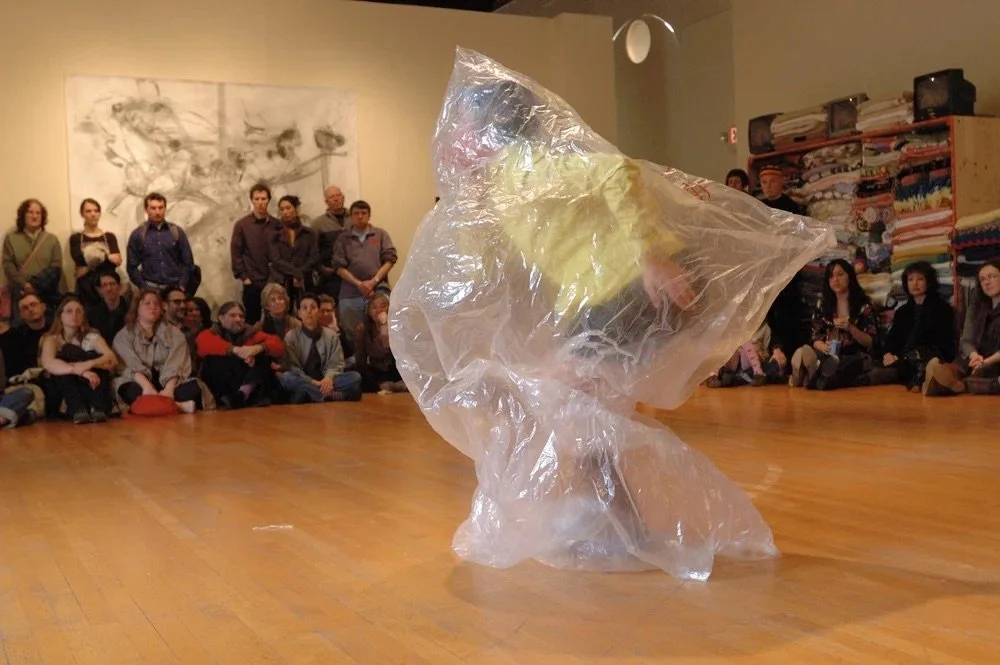


Converge 45 opens today! The triennial returns for its tenth anniversary as Here, To you, Now, curated by Lumi Tan, with 28 artists and 17 new commissions spread across 16 venues. Opening weekend runs August 27–30 with receptions, performances, screenings, and talks, and programming continues through the fall. The title comes from Ursula K. Le Guin's Always Coming Home, from a passage about the difference between the written word, which lasts and belongs to everyone, and the spoken word, which exists only between the people in the room at that moment. Oregon Contemporary, PICA, PNCA, Reed's Cooley Gallery, Open Signal, and the Reser are all participating, among others.

PICA's TBA Festival follows September 9–13.
TBA deserves more than a calendar listing. PICA launched the Time-Based Art Festival in 2003, and it has spent more than twenty years making Portland a destination for work that does not fit in a gallery. It was modeled on the international festivals in Edinburgh and Adelaide, and it has largely delivered on that ambition — The New York Times has called it the best contemporary summer festival in the country. Performance, dance, installation, film, music, conversation, and a good deal that resists naming. It takes over theaters, warehouses, and public space, and it brings artists to this city who would otherwise never come here.
Very few cities our size have anything like it. That is worth saying plainly.
This year's edition is compressed into five days, which makes it unusually easy to dive into. Highlights include Rimini Protokoll's The Walks, Michelle Ellsworth's Memento Mori in the Dreamatorium, Alex Tatarsky's Sad Boys in Harpy Land, and new work from Symara Sarai and Allie Hankins. There is an opening night party, a bar garden, and the traditional pancake breakfast. Passes run $250 for full access, and individual tickets are available for anything that catches your eye.
PICA also has Trisha Baga's MORE on view through October 24, with a reception this Friday, August 28, from 6:00 to 9:00 PM — and Baga is in Converge 45 as well, so the two overlap in the best way.
If you only do one thing: pick a neighborhood, walk it, and see three things in an afternoon. That is how both of these are meant to be experienced.
In the Gallery
Save the date: In Search of Portland, photography by Brian Libby
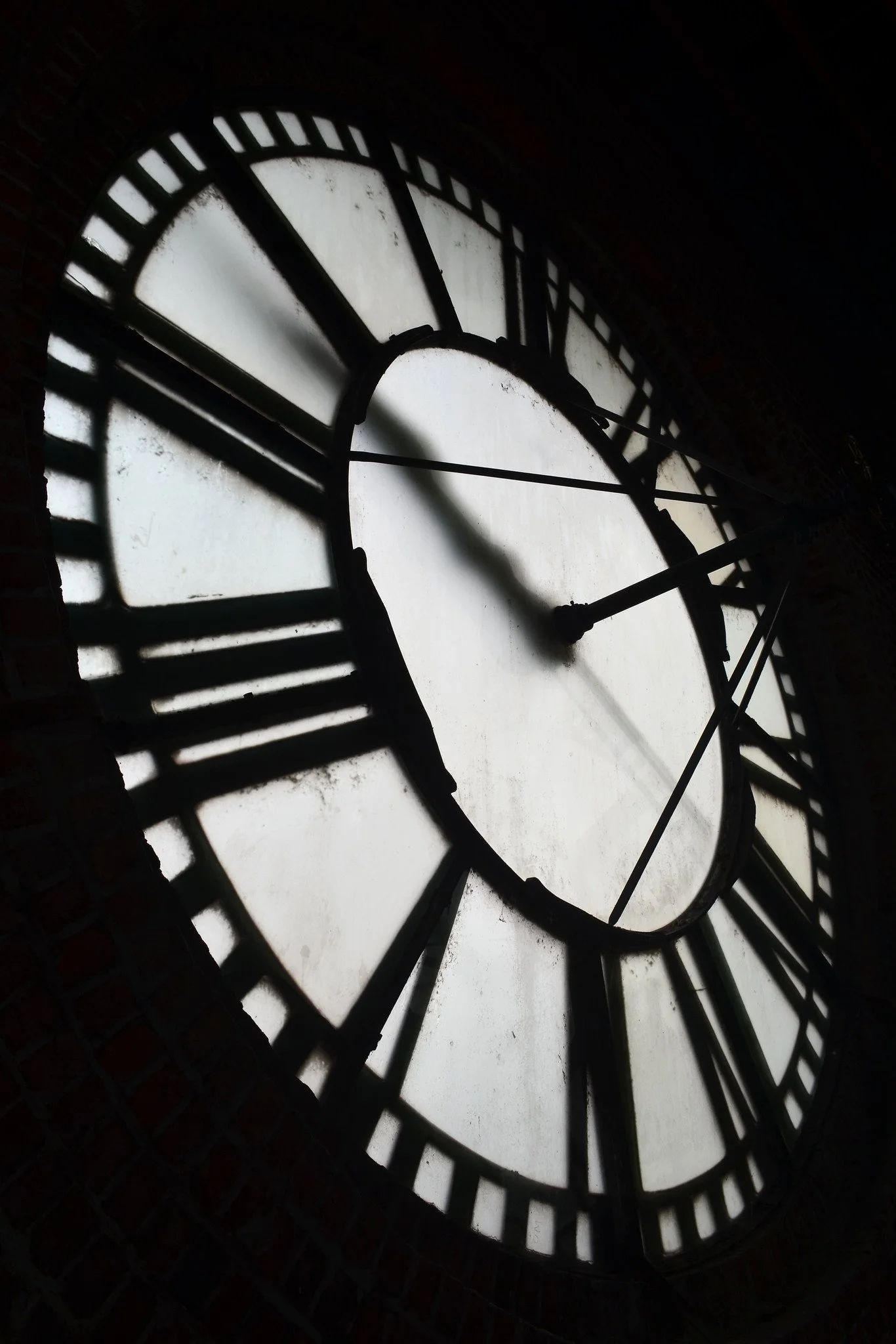
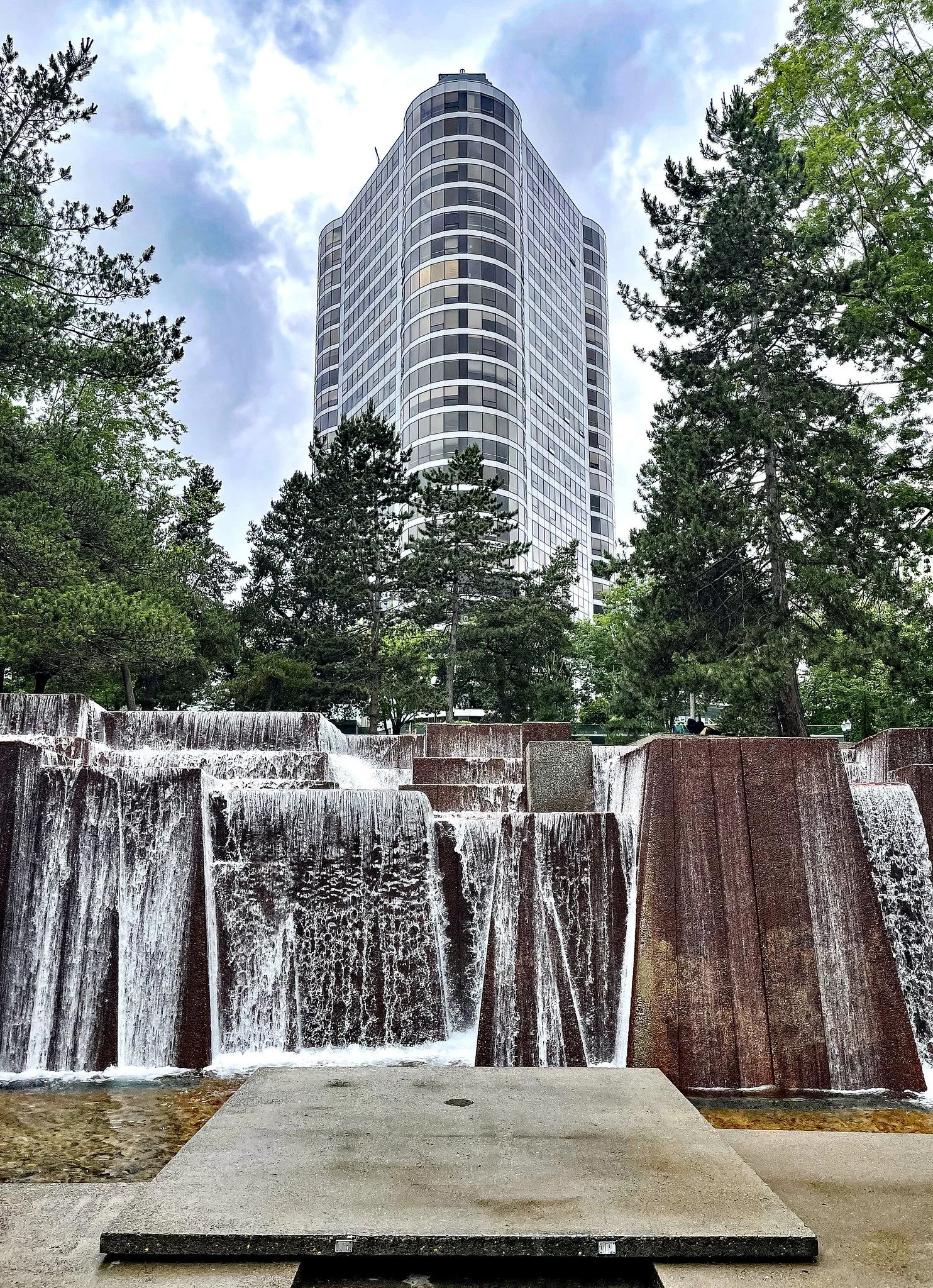
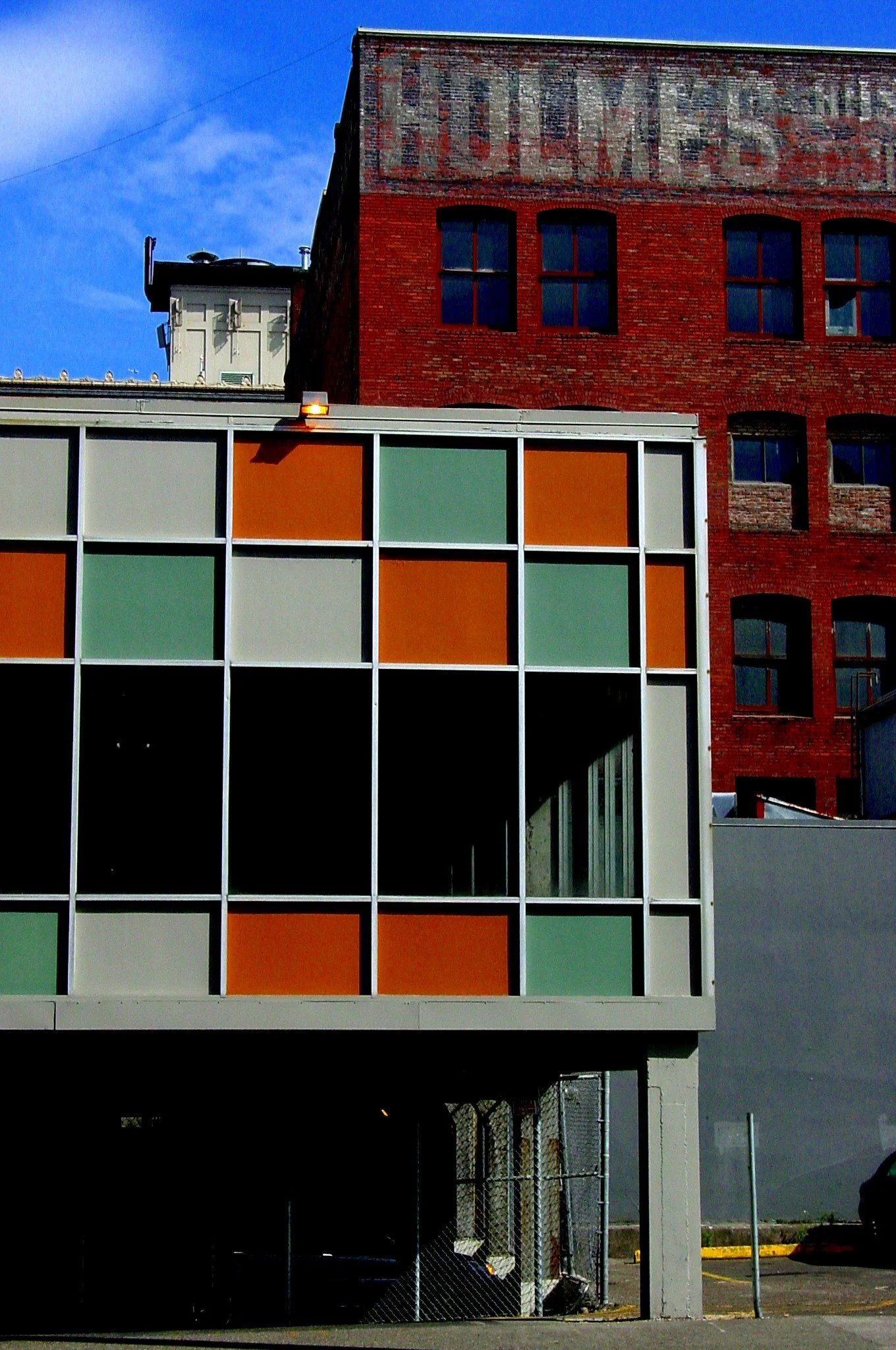
Brian Libby has covered architecture, art, and film in this city for more than 25 years — in The New York Times, The Wall Street Journal, The Atlantic, Dwell, Metropolis, and for years on his own blog, Portland Architecture. This show introduces Brian Libby the photographer.
The images come from his new book, In Search of Portland: Exploring a Transforming City (Oregon State University Press), part walking tour, part cultural history, part memoir. They were taken over 25 years in downtown, Old Town, and the Pearl, and they mix landmarks you would recognize immediately with places you have walked past a hundred times without looking up. The exhibition also includes hand-drawn illustrations from the book by architect and artist Nicolai Kruger.
The opening runs in tandem with the book's release, so it is a first look at both. More about the show here.
Last call: Portland Trail Blazers Through the Lens of Bruce Ely
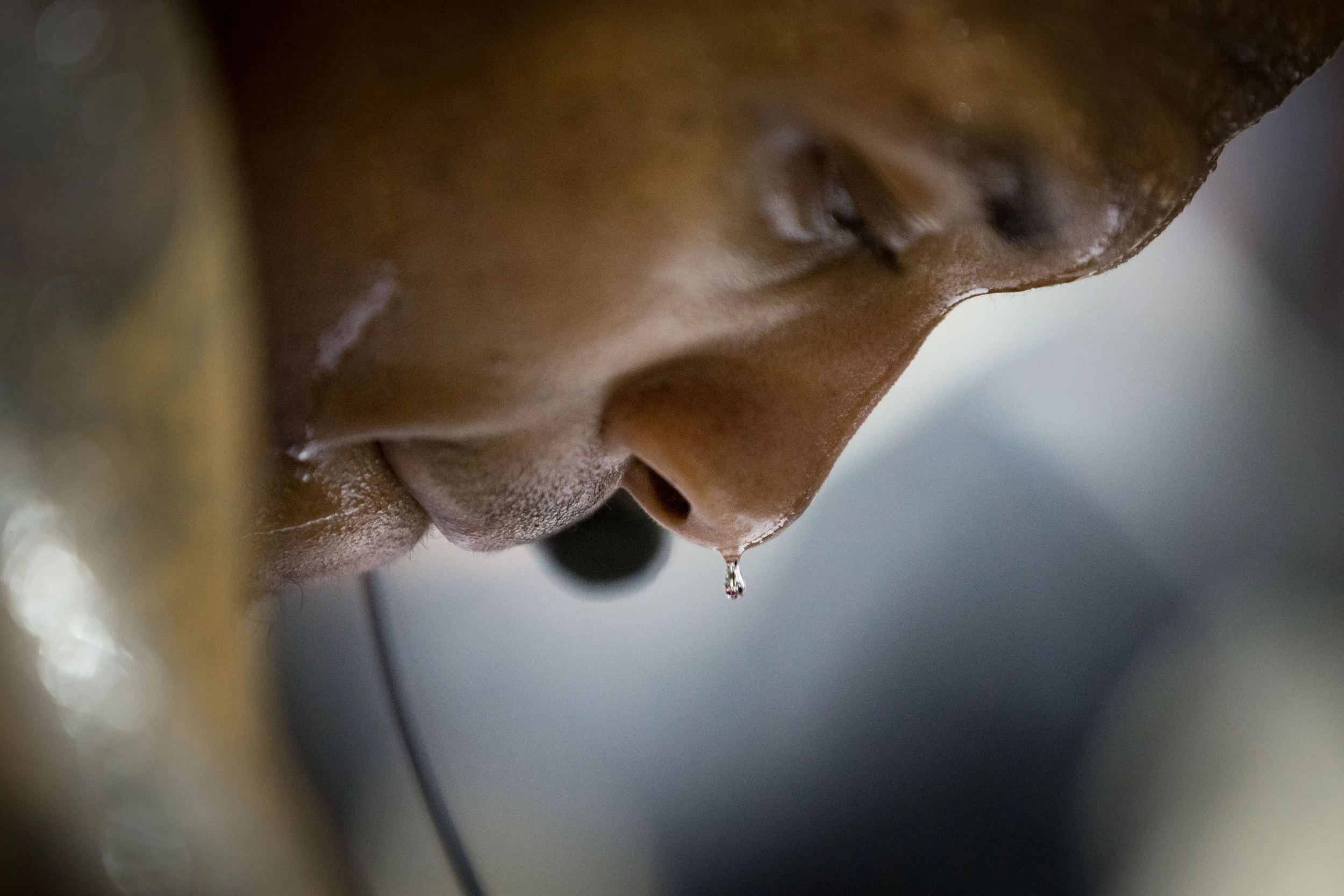
Friday, August 28 is the final day — the gallery is open 11:00 AM to 4:00 PM. If Bruce's photographs have been on your list all summer, this is it. Details here.
Quick Tip! Fix the Sound
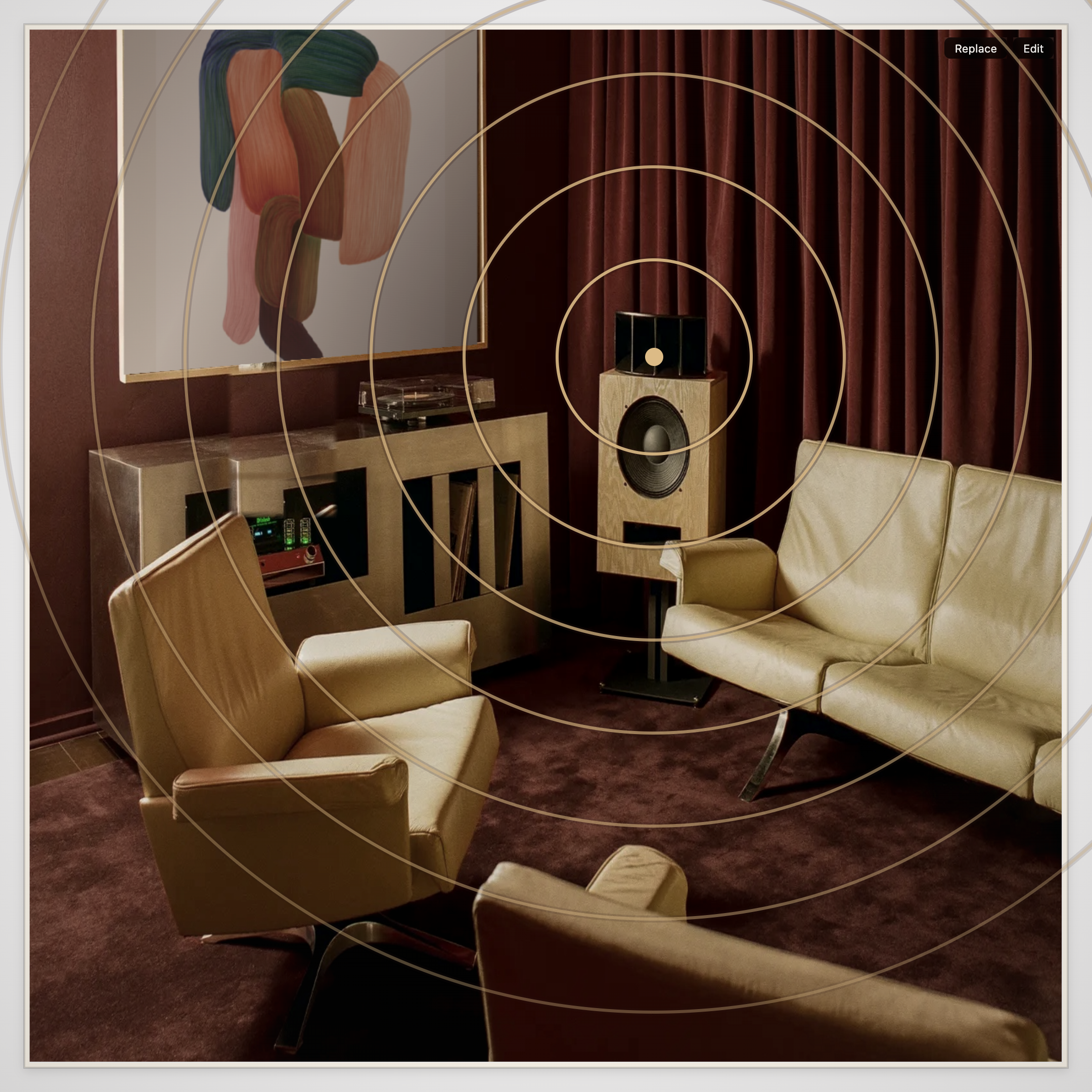
When a room feels stressful and nobody can say why, it is almost always the acoustics.
This is the most under-discussed problem in interiors. We spend enormous energy on how a room looks and almost none on how it sounds, and yet sound is what people react to first. Guests talk louder. Meetings feel tense. A dinner party gets exhausting by the second hour. Everyone blames the crowd.
Hard surfaces are the culprit — glass, concrete, tile, plaster, exposed ceilings, tables without cloths. All the things that photograph beautifully. The sound has nowhere to go, so it keeps going.
The fix is soft material, and it does not have to be visible. Drapery is the single most effective move most rooms can make, and it works even when the windows do not need covering. A wool rug with a proper felt pad, upholstered rather than hard-backed seating, and a bookshelf that is actually full all pull real volume out of a room. Acoustic panels can be wrapped in fabric or hidden behind artwork, and ceiling treatments do more than anything at floor level.
In commercial spaces the same problem shows up as a business cost. A restaurant that is too loud shortens visits and flattens the experience. An office where nobody wants to take a call is not a collaboration problem. It is a materials problem.
Clap once in the middle of the room. If it rings, you have your answer.
We hope you found something here to inspire your own spaces. If you have questions about design, are considering a project, or simply need a trusted resource, we’d love to hear from you. You can reach us anytime at info@weedmandesignpartners.com, or explore more of our work at weedmandesignpartners.com.
Would you like to receive our Newsletter in your inbox? Fill out the “Stay in the Know” form on our website here.