
Notes from
the studio.
Design, hospitality, business, Portland, projects in progress, and the things we keep noticing.
Start reading ↘Useful thinking, honest project stories, and a view into the life around the work.
The questions clients ask us most, answered honestly — plus the project stories, studio news, and Portland observations that don't have another home on this site.
Six subjects we keep coming back to: Hospitality, Commercial, Residential, Studio News, Gallery, and Portland.
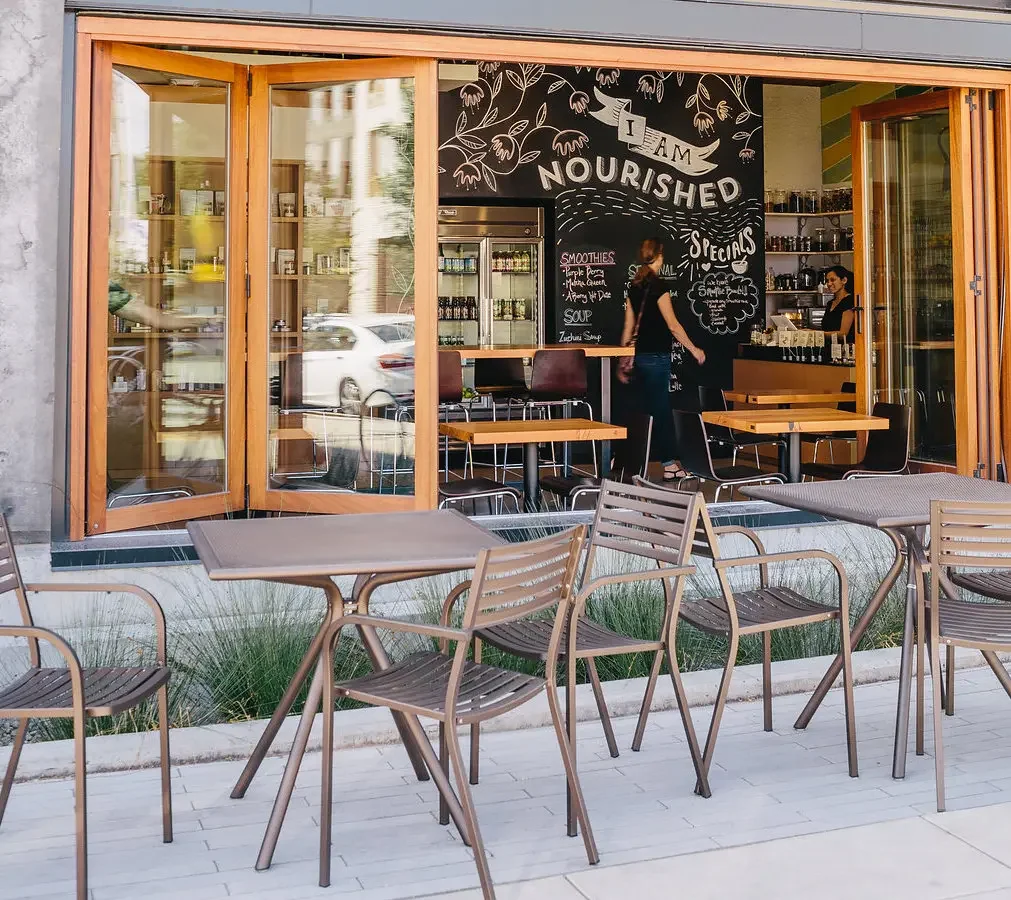
Before you sign a restaurant lease
Twelve questions smart operators ask to expose constraints, protect leverage, and avoid preventable delays in a Portland build-out.
Read the story →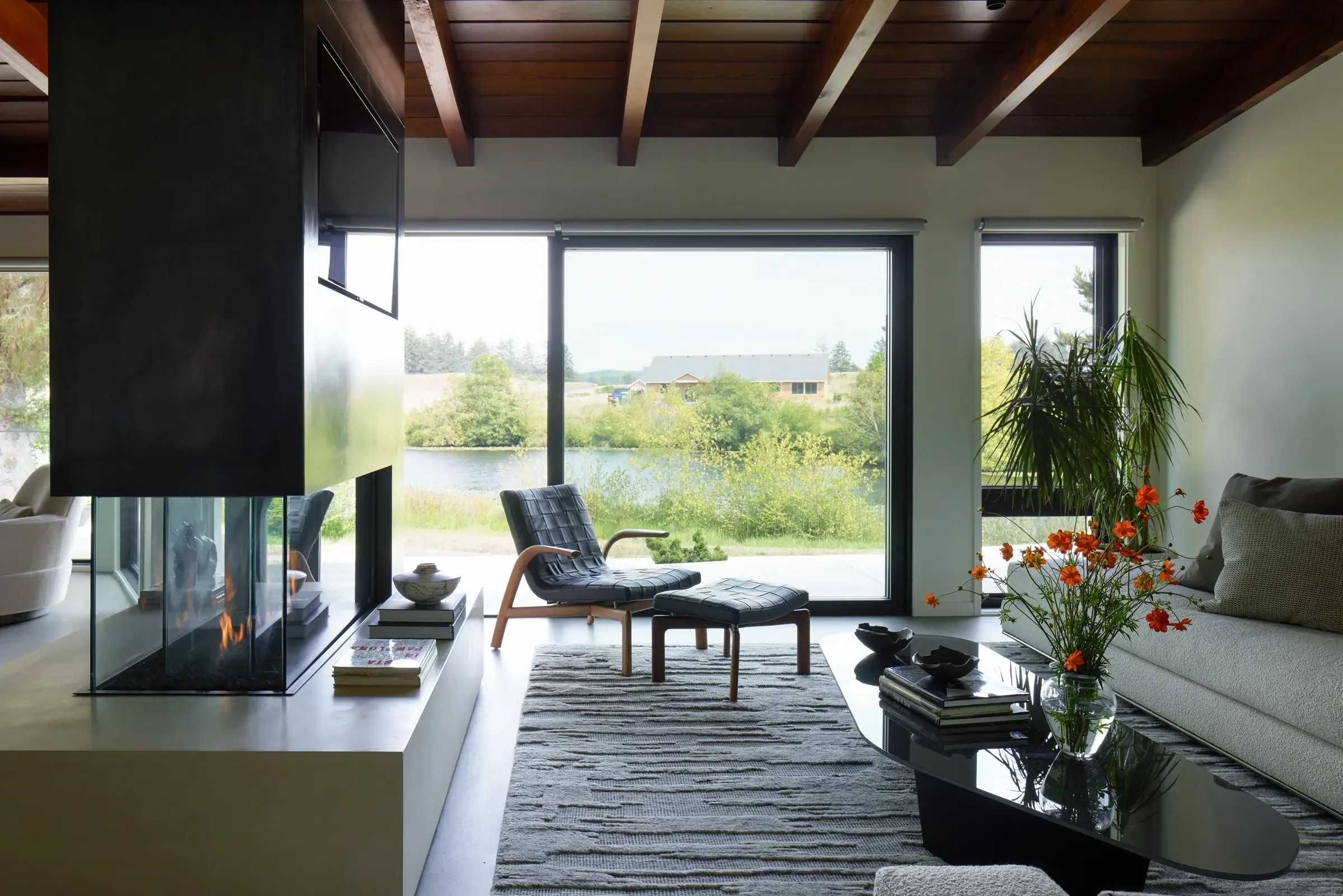
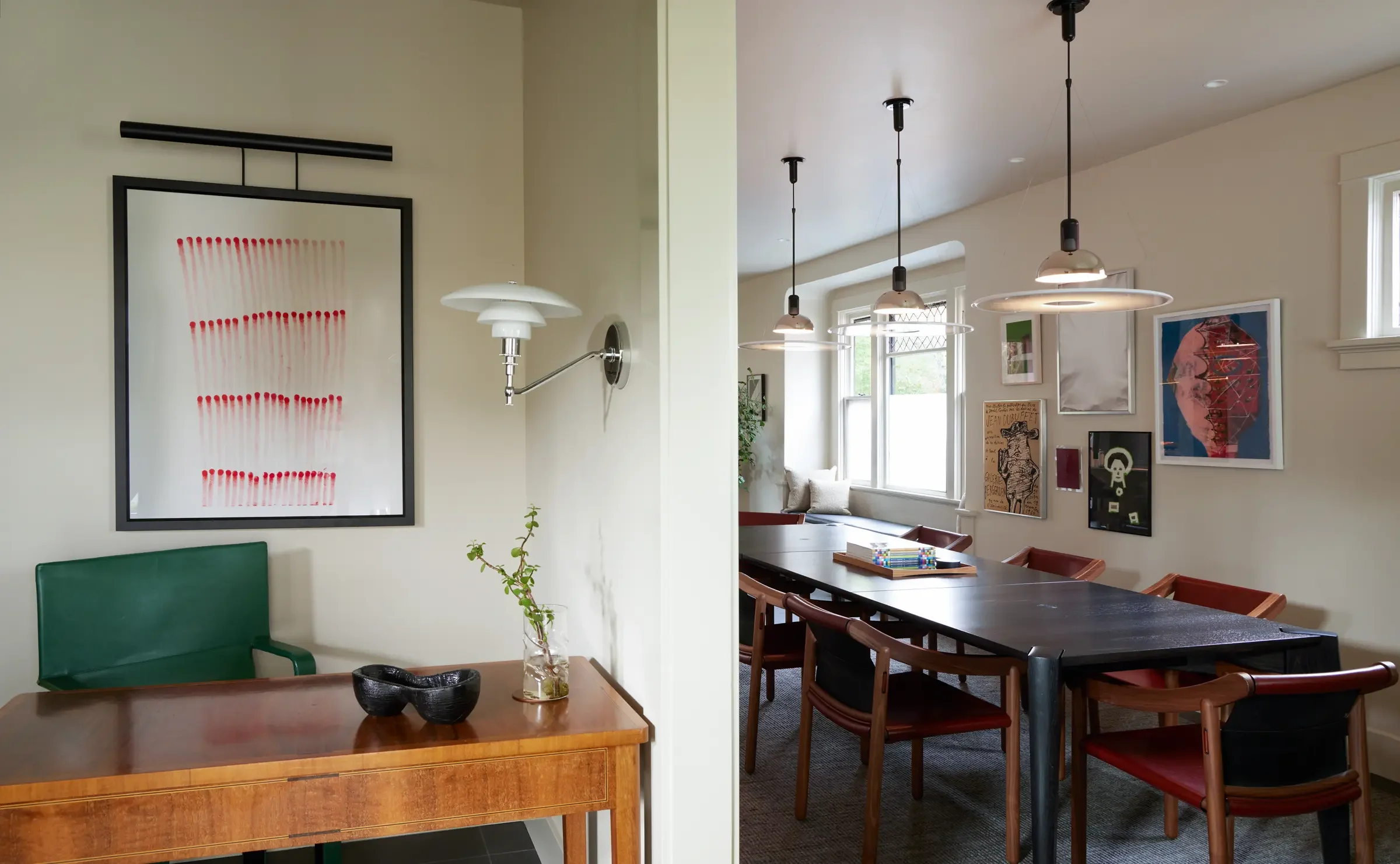
From "just new furniture" to a complete transformation
How an honest early conversation changed the scope, orientation, flow, light, and life of a midcentury lake house.
Read the story →When clients go smaller, the work gets more complex
A practical framework for planning boutique commercial interiors around flow, feel, and friction.
HospitalityHospitality everywhere
Why welcoming design is not limited to hotels and restaurants, and why feeling matters long after the first impression.
WorkplaceWhy commercial office lobbies matter more than ever
How arrival spaces influence tenant perception, identity, connection, and leasing performance.
Studio lifeBringing a shared dream to life: our gallery space
The story behind turning part of the WDP building into a public-facing creative room for Portland.
PortlandFinding your place in Portland
A personal look at helping people create homes that feel grounded in the city and the life they came here to build.
Hospitality
Feeling, welcome, gathering, ritual, and what makes people want to stay.
Commercial
Leases, test fits, lobbies, restaurant planning, workplace, brands, and the realities behind opening.
Residential
Remodels, daily life, decision making, furniture, materials, and the stories behind complete homes.
Studio News
Projects, people, events, collaborations, and what is happening inside WDP.
Gallery
Artists, exhibitions, interviews, and the ideas that enter the studio through the work on the walls.
Portland
The city, its creative community, its buildings, and why place matters to the way we design.
Read what is useful.
Stay for what is personal.
A few thoughtful emails each year. Choose studio news, Gallery WDP updates, or both.
Your Storefront Has a New Job
You can buy almost anything without leaving the house. So when someone walks into a store anyway, the room has to give them something a website can't: an experience worth remembering, a reason to gather, and a feeling they'll tie to your brand.
You can buy almost anything without putting on shoes. A candle, a sweater, a lamp, a case of wine. It'll be on the porch by Thursday.
So when someone walks into a store anyway, they come for something more. That's where we start when designing retail projects: what will this room give people that a website can't?
Nobody has to be there anymore
Downtown Portland Clean & Safe's latest foot traffic report puts weekend visits within about 10% of 2019. Office worker traffic is still down by nearly half.
Read those two numbers together and the shift is clear. Fewer people pass a storefront because it happens to be on their way to work. More people are out because they decided to be. They're meeting someone, seeing a show, spending a Saturday.
That changes the job of the store. A space that once relied on convenience now has to earn the visit.
Sell the experience, not just the object
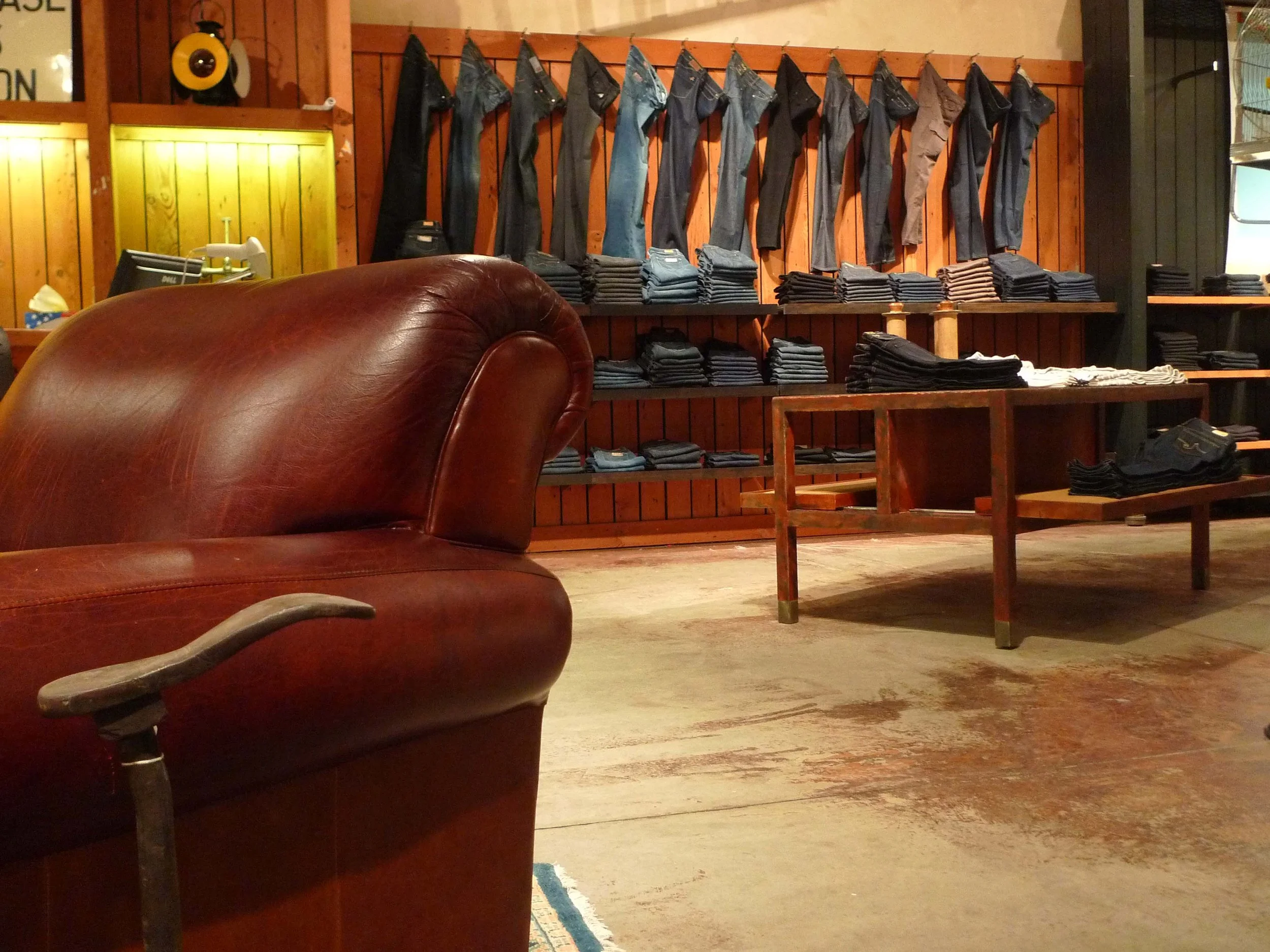
Cothing retail store with lounge seating designed by Weedman Design Partners
Good lighting and clean merchandising still matter, but they aren't why people come. The most memorable retail spaces erase the line between buying something and experiencing it. A store can let you feel what life with the product is like: the kitchen where the knives are actually in use, the living room you can sink into, the clothing shown the way someone would really wear it. Or it can offer a new way to see something familiar, through how it's displayed, lit, paired or explained.
That's the difference between a store and a retail experience. One completes a transaction. The other gives people a moment they remember.
And that memory attaches to your brand. When someone has a genuinely good time in your space, the feeling travels with the name on the door. They tell a friend. They bring someone next time. They share a photo because the room was worth photographing. A customer who had a great experience becomes an amplifier for your business, and that kind of word of mouth is hard to buy.
This is why we think of the interior as part of the brand, not a container for it.
Give people something to show up for
The most reliable way to draw people in is a reason with a date on it. A trunk show. A tasting. A book signing, a maker demo, a talk, an opening. An event turns a store someone might visit someday into a date on someone's calendar.
Collaborations do the same thing and widen the circle. A clothing shop hosts a florist for a weekend. A furniture showroom lends its floor to a chef for one night. A home goods store gives a wall to a local artist and changes it every season. Each partner brings its own audience through the door, and both brands feel more alive for it.
We see this in our own studio on NW 23rd, which doubles as a gallery. The openings bring people through our door who might never have walked into a design studio otherwise.
Design the room to change
Events don't work in a space that was only drawn for a quiet Tuesday afternoon. If gatherings are part of the plan, the design has to account for them from the start.
That means fixtures that roll, fold or nest, and a place to store them. Lighting on scenes, so the room can shift from daytime retail to evening. Power where a bar, a DJ or a demo table will actually go. A counter that can work as a bar. Enough open floor to hold a crowd without clearing the whole store. Acoustics that let people hear each other. And an early look at code, since regularly hosting a crowd can change occupancy and egress requirements.
None of this is exotic. It's just far less expensive to build in than to add later.
Spend where the visit happens
This is where we encourage clients to invest a little more, even if it means less room for display. A store packed to the walls has no room for anything else to happen, and it starts to feel like the website, only slower.
The better investments are the ones that are hard to add later: a storefront that invites people in, finishes that hold up to a crowd, and one piece of real craft that tells visitors someone cared. It can feel like money spent on something other than selling. It's closer to marketing with a longer shelf life. A campaign runs for a few weeks. A great room works every day the doors are open.
Start before the lease
There's a practical side to this, too. Portland's retail availability was 4.9% last quarter, according to CBRE. Good space isn't easy to find, which means many tenants will end up in second-generation spaces built for someone else.
That's fine. Often it's better than fine. But it's the moment to ask hard questions, before you sign. What can a customer see from the sidewalk? Does the plan naturally draw someone toward the back? Is there enough storage? What will the existing mechanical system allow, and what will accessibility require? How much of what's already there is actually useful?
A space that looks wrong on the first walkthrough can turn out to be exceptional once it's properly test fit. A space that looks perfect can hide an expensive surprise. A few hours of design thinking up front is the least expensive time in the whole project.
A reason to stay
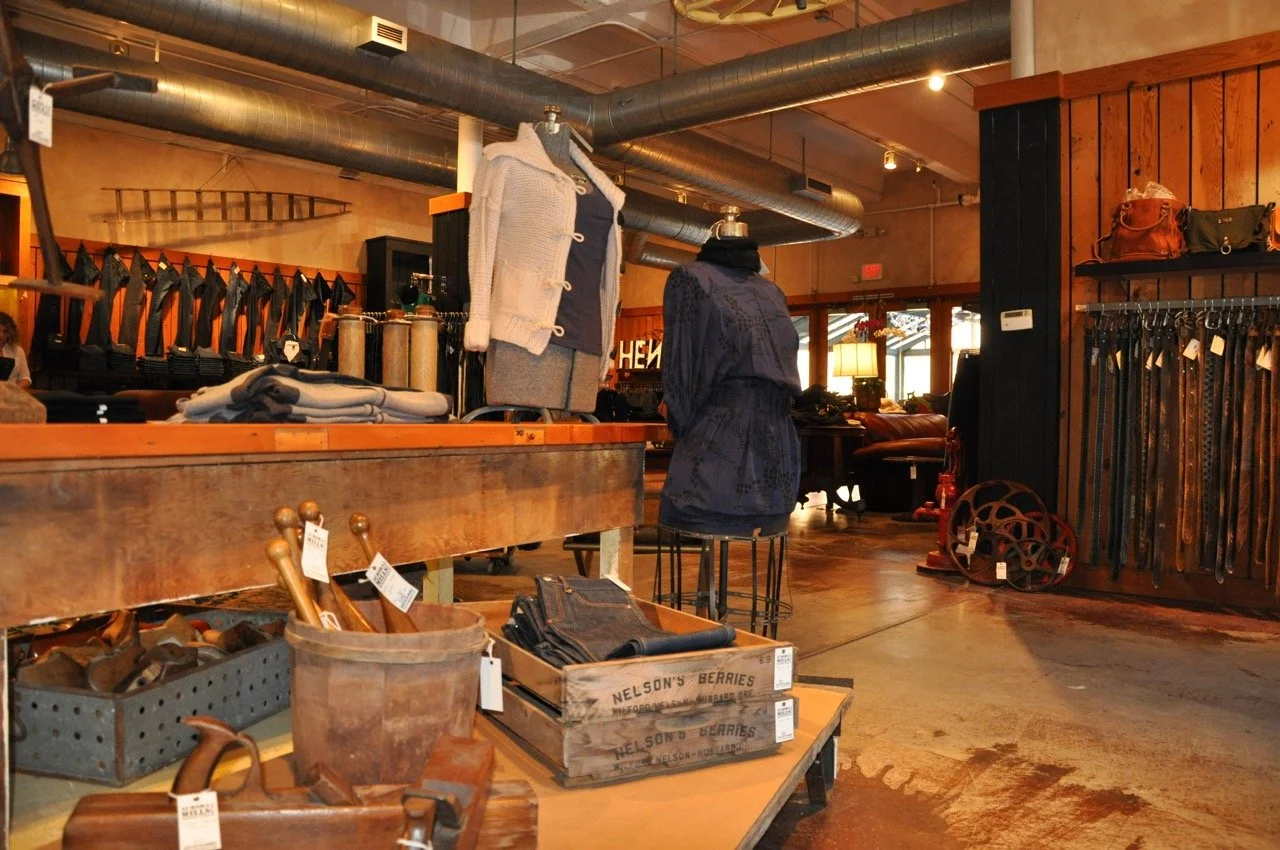
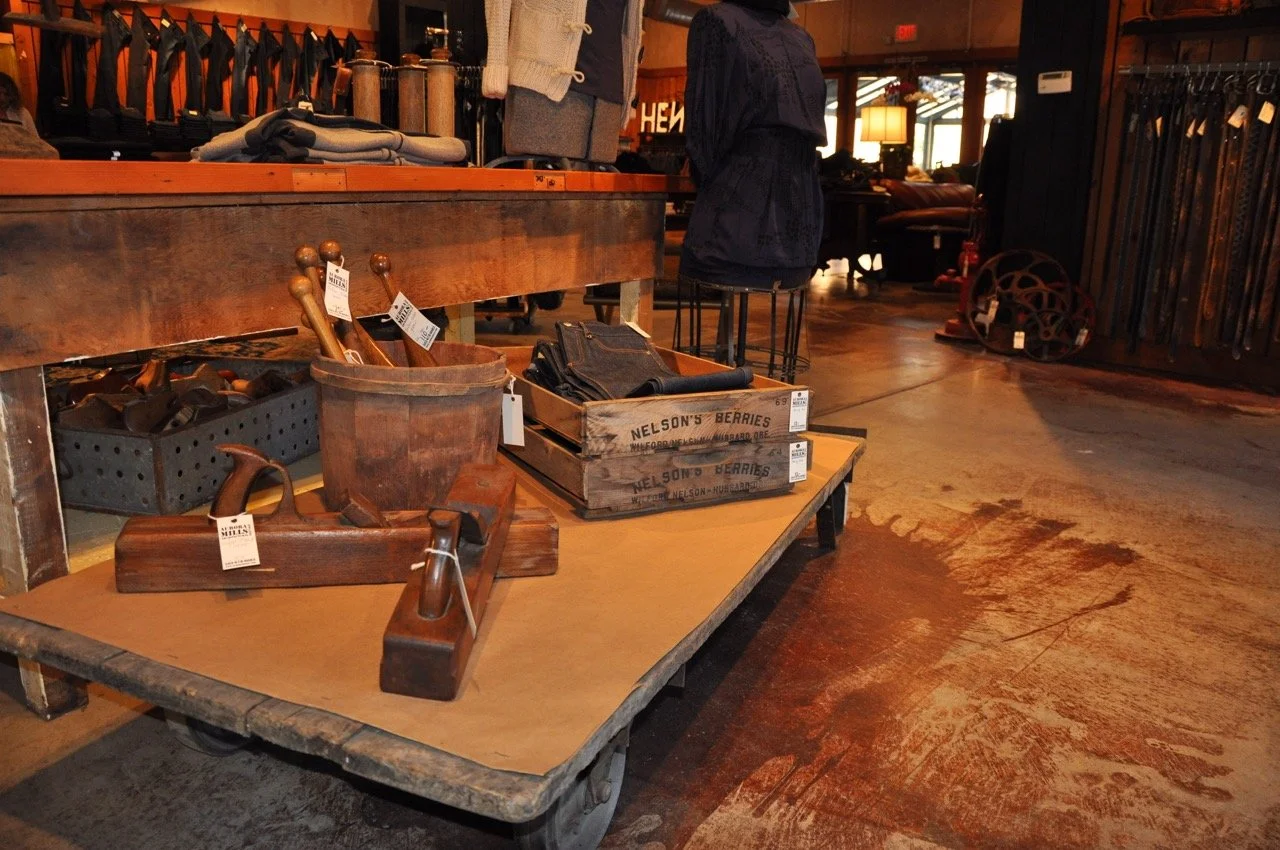
Retail design by Weedman Design Partners: incorporating vintage product into a clothing retail store creates a more dynamic atmosphere.
Portland has always done its best retail in places with personality: the shop where the owner knows your name, the bakery that doubles as a neighborhood living room. That instinct matters more now, not less.
People are choosing where to spend their time. A good storefront gives them a reason to come in. A great one gives them a reason to stay a few minutes longer. Those minutes are where design earns its keep.