
Notes from
the studio.
Design, hospitality, business, Portland, projects in progress, and the things we keep noticing.
Start reading ↘Useful thinking, honest project stories, and a view into the life around the work.
The questions clients ask us most, answered honestly — plus the project stories, studio news, and Portland observations that don't have another home on this site.
Six subjects we keep coming back to: Hospitality, Commercial, Residential, Studio News, Gallery, and Portland.
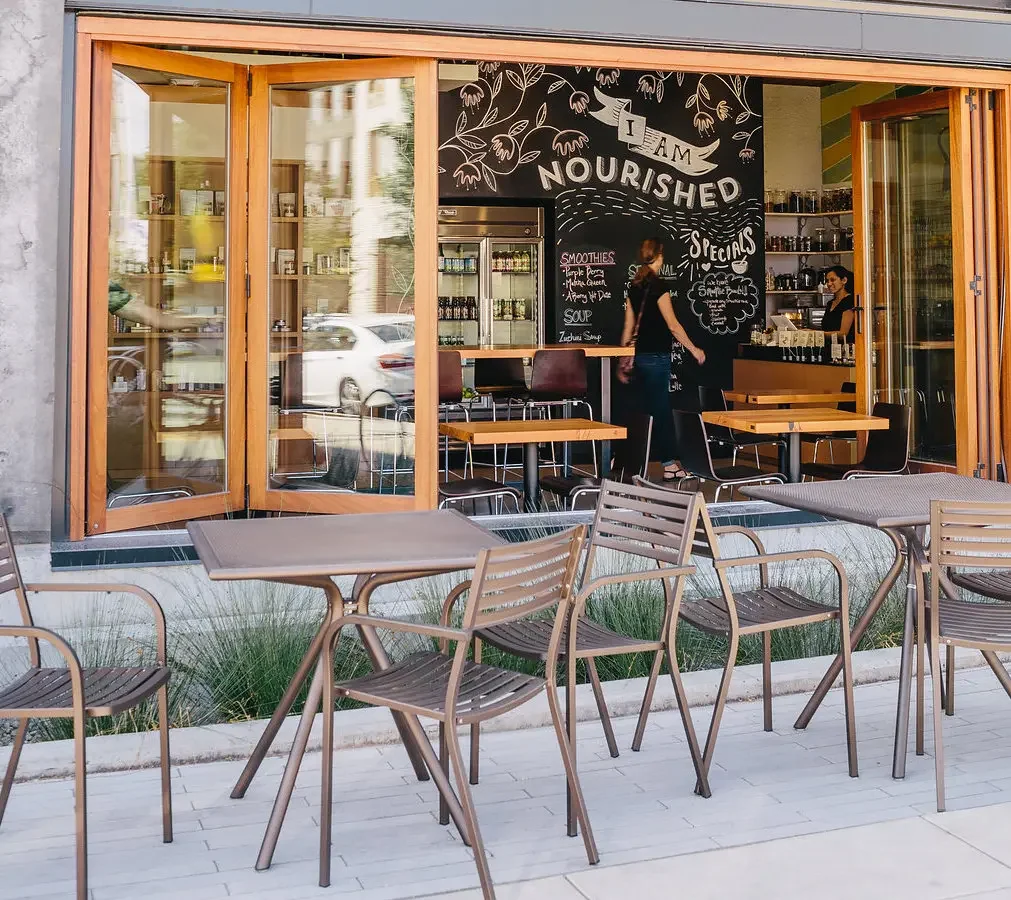
Before you sign a restaurant lease
Twelve questions smart operators ask to expose constraints, protect leverage, and avoid preventable delays in a Portland build-out.
Read the story →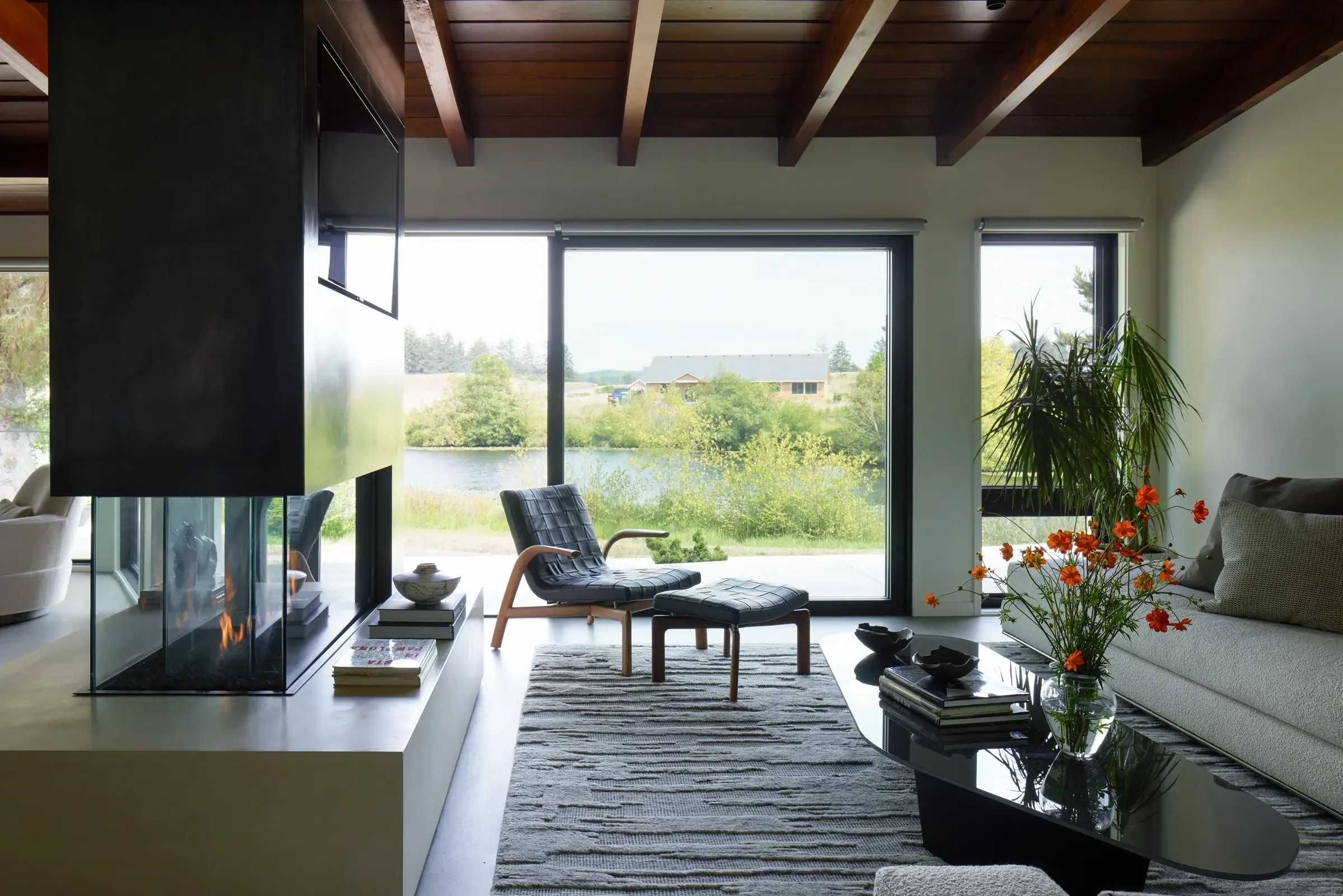
From "just new furniture" to a complete transformation
How an honest early conversation changed the scope, orientation, flow, light, and life of a midcentury lake house.
Read the story →When clients go smaller, the work gets more complex
A practical framework for planning boutique commercial interiors around flow, feel, and friction.
HospitalityHospitality everywhere
Why welcoming design is not limited to hotels and restaurants, and why feeling matters long after the first impression.
WorkplaceWhy commercial office lobbies matter more than ever
How arrival spaces influence tenant perception, identity, connection, and leasing performance.
Studio lifeBringing a shared dream to life: our gallery space
The story behind turning part of the WDP building into a public-facing creative room for Portland.
PortlandFinding your place in Portland
A personal look at helping people create homes that feel grounded in the city and the life they came here to build.
Hospitality
Feeling, welcome, gathering, ritual, and what makes people want to stay.
Commercial
Leases, test fits, lobbies, restaurant planning, workplace, brands, and the realities behind opening.
Residential
Remodels, daily life, decision making, furniture, materials, and the stories behind complete homes.
Studio News
Projects, people, events, collaborations, and what is happening inside WDP.
Gallery
Artists, exhibitions, interviews, and the ideas that enter the studio through the work on the walls.
Portland
The city, its creative community, its buildings, and why place matters to the way we design.
Read what is useful.
Stay for what is personal.
A few thoughtful emails each year. Choose studio news, Gallery WDP updates, or both.
RTO: Let’s get out of the sweatpants mindset
When was the last time you felt truly proud of your workspace? Your employees are asking themselves the same question every day.
When we map Maslow's hierarchy to workplace design, we often overlook how deeply our surroundings influence our sense of self-worth. A polished, professional environment doesn't just look good—it fundamentally shapes how employees view themselves and their work.
When was the last time you felt truly proud of your workspace? Your employees are asking themselves the same question every day.
When we map Maslow's hierarchy to workplace design, we often overlook how deeply our surroundings influence our sense of self-worth. A polished, professional environment doesn't just look good—it fundamentally shapes how employees view themselves and their work.
The Impact of a Professional Workspace
Think about it: How do you carry yourself differently in a beautifully styled outfit? The same principle applies to the workplace. Employees elevate their performance when their environment signals professionalism and excellence.
Today’s workplace must deliver:
Well-designed personal spaces that employees can own and customize
Private offices where appropriate—not every company needs to be open plan
Professional-grade tools and technology that say, "We invest in your success"
Thoughtfully curated finishes that reflect company standards
Spaces employees are proud to share with clients
Meeting rooms equipped for polished presentations
Design details that demonstrate attention to quality
Why Design Matters in the Workplace
The impact is profound. In a premium environment, teams naturally conduct themselves more professionally, taking greater pride in their surroundings and their work. Client meetings carry more gravitas, and work products become noticeably more refined. When given better tools and technology, innovation flourishes. Most importantly, confidence grows organically in an environment that reflects professional excellence.
Aligning Environment with Excellence
Here’s the secret: It’s not about luxury—it’s about alignment. A workspace that mirrors the caliber of work you expect validates professional identity. Employees see their surroundings as a reflection of their value, and they rise to that standard.
A Case Study: Apex Clearing
Take Apex Clearing, for example, located in the historic Meier & Frank building in downtown Portland. One standout design feature in their space is the art collection. Rather than opting for generic, branded pieces, the collection showcases works by exceptionally talented artists. These carefully curated pieces inspire employees to think creatively, aspire for greater accomplishments, and approach challenges with fresh perspectives.
Unlocking Potential Through Design
When we design spaces that inspire pride, we unlock potential. Let’s talk about how your workplace can reflect and reinforce your team’s excellence—because when employees feel proud of their environment, they’re proud of their work.
Next Post:
I’ll explore the pinnacle of workplace design—creating spaces that inspire innovation and enable peak performance.

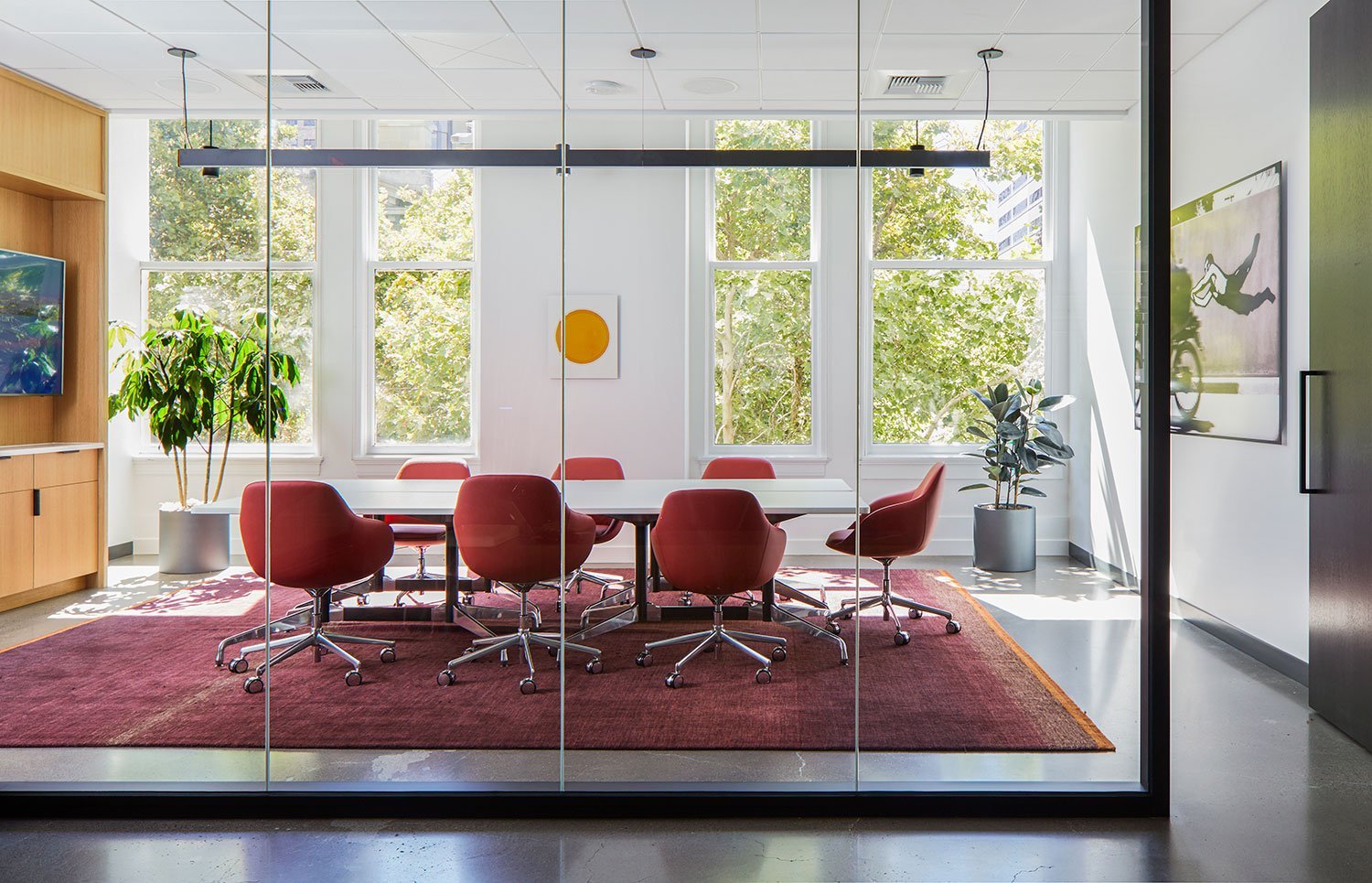
Conference room for Apex Clearing, in Portland, Oregon
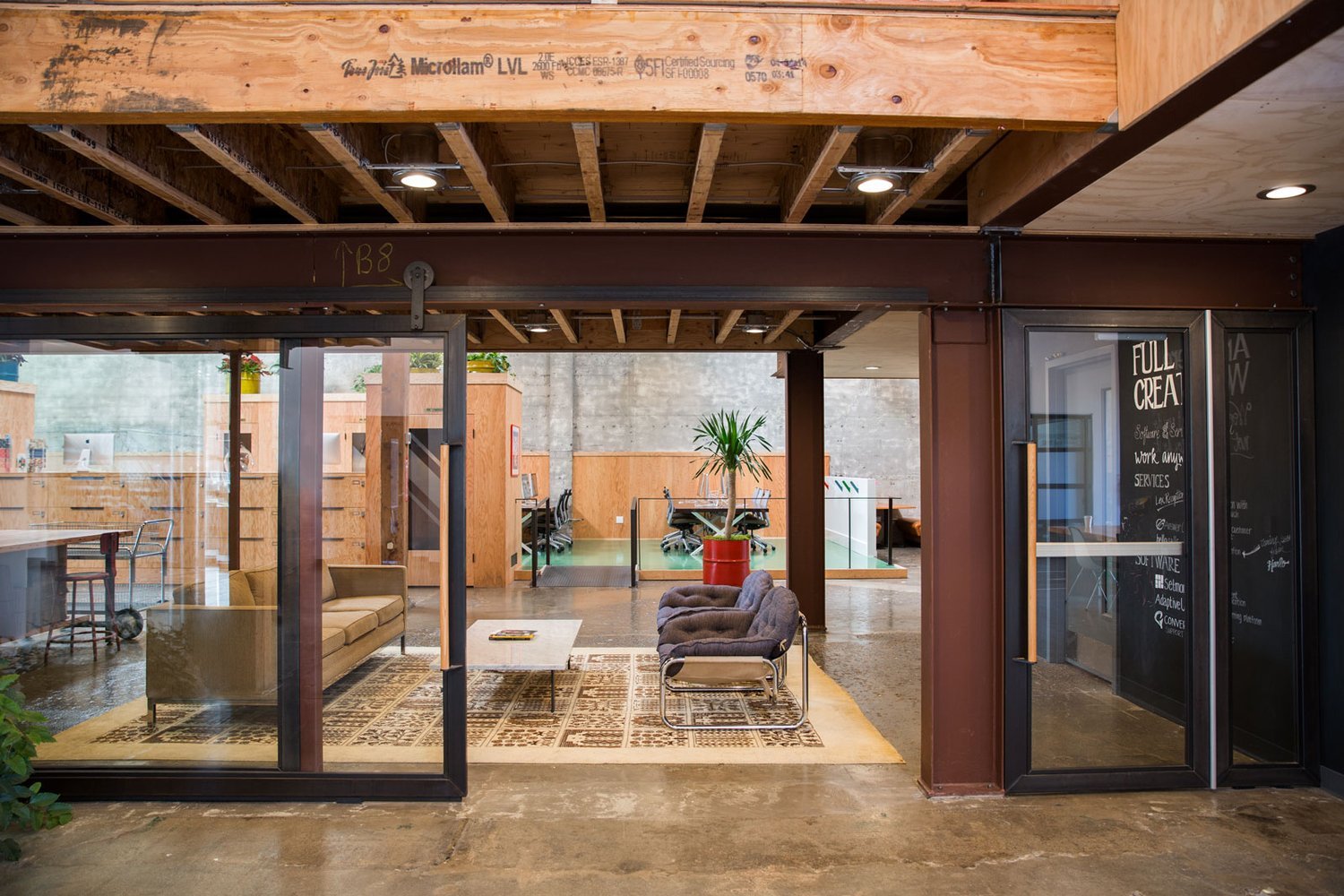
RTO: Fostering Real Connection in Workplace Design
Why do some offices buzz with energy while others feel like ghost towns? The answer isn't in your amenities—it’s in understanding the third level of Maslow's hierarchy.
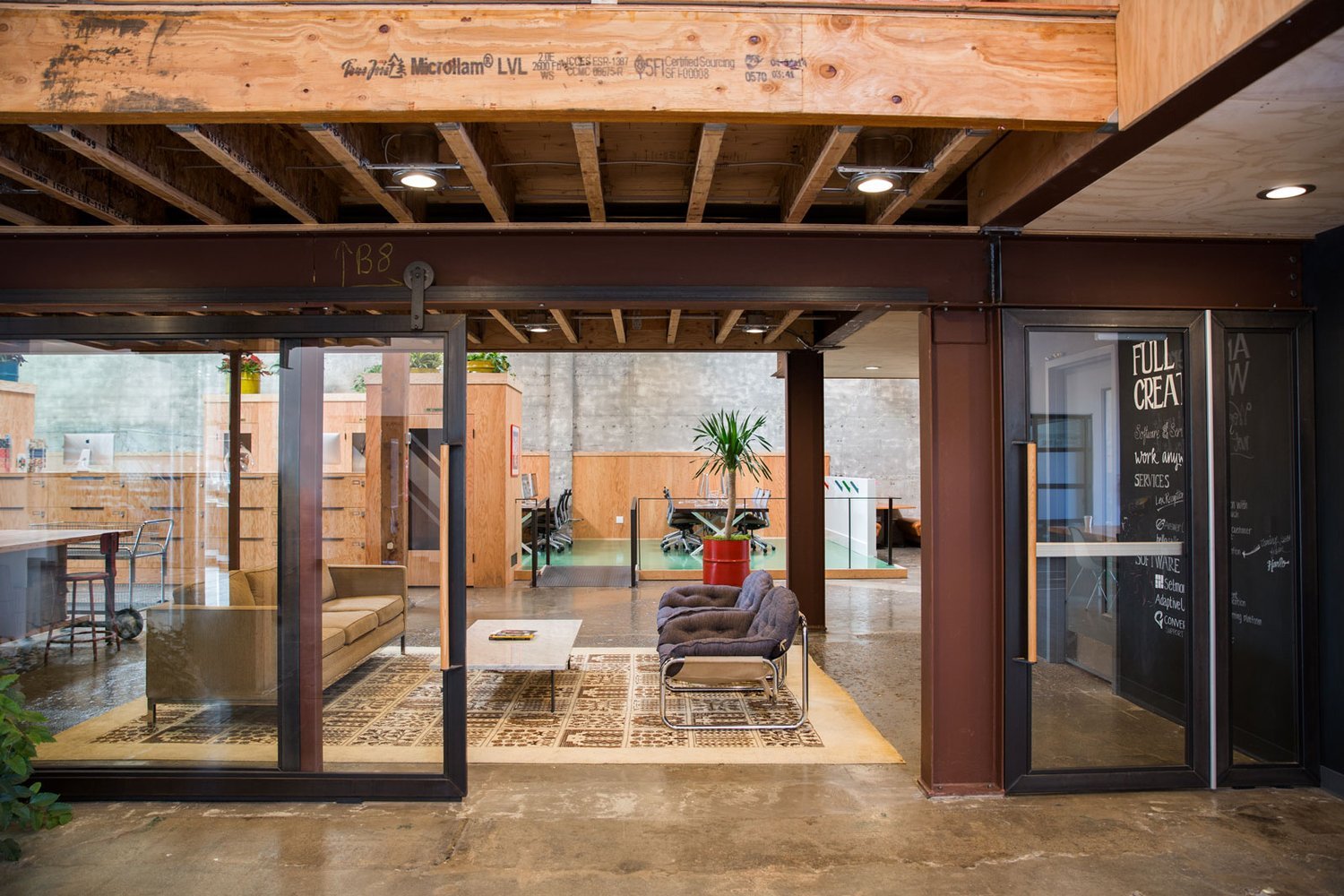
Office entry from the communal hall at 11Main
Why do some offices buzz with energy while others feel like ghost towns? The answer isn't in your amenities—it’s in understanding the third level of Maslow's hierarchy.
In my last post, I explored the foundational layers of Maslow's hierarchy in workplace design—physiological comfort and safety. Now, let’s talk about the next critical level: belonging. When basic needs are met, employees seek meaningful connection.
The Importance of Belonging in the Workplace
The key insight? Community can’t be manufactured through design alone. Understanding your organization’s unique culture is essential, often requiring collaboration with specialists who can uncover the deeper patterns of how your teams interact and connect.
Characteristics of Successful Community Spaces
Successful community spaces:
Reflect authentic company values, not trendy design
Support existing cultural rhythms and rituals
Provide choice in how to engage
Eliminate friction points that discourage interaction
Accommodate both planned and spontaneous gatherings
Tailored Workplace Design for Unique Cultures
The design that sparks community varies widely:
Some teams build connection through shared meals
Others thrive on impromptu brainstorming
Many need quiet spaces for focused work and mentorship
Some cultures value privacy, others transparency
Remote-first teams need different connection points than in-person ones
A Case Study: 11 Main
We’ve seen the power of culturally aligned design firsthand. At 11 Main, we helped our client transform their workplace from an outdated and quiet cubicle farm into a dynamic environment that reflects their commitment to sustainability and community engagement.
The space now features:
A welcoming ground floor that connects with the neighborhood
Design elements showcasing their environmental mission
Starting with Deep Listening
The transformation from a lifeless office to a vibrant community hub starts with deep listening.
What cultural shifts are you trying to achieve?
How do your most engaged teams already connect?
What barriers prevent the connections you want to see?
Learn More
To see how thoughtful design can transform workplace culture, visit our case study of 11 Main. Let’s discuss how we can create a similar alignment between your workplace design and cultural aspirations.
Next Post:
I’ll explore how workplace design supports professional growth and innovation—the peak of Maslow's hierarchy.

RTO Basics: The Simplest Design Solutions to Encourage Employees to Show Up
Before you invest in that fancy espresso bar or game room for your office, let's talk about why your employees might not even show up to use them.
Before you invest in that fancy espresso bar or game room for your office, let’s talk about why your employees might not even show up to use them.
While these may not seem like the most exciting or innovative aspects of office design, they form the critical foundation of workplace satisfaction. Just as Maslow’s hierarchy of needs demonstrates, we can’t reach higher levels of engagement and innovation without first establishing these fundamental elements.
The Foundation of Workplace Satisfaction
As leaders push for return-to-office (RTO), many are missing a crucial truth: You can’t expect employees to innovate, collaborate, or perform at their peak when their basic needs aren’t met. Looking at Maslow’s hierarchy, workplace satisfaction starts with the physiological and safety layers—both of which have evolved dramatically post-pandemic.
Physiological Needs in the Modern Workplace
The baseline isn’t just desks and WiFi anymore. Today’s workforce requires:
Ergonomic workstations that adapt to individual needs
Technology infrastructure enabling seamless collaboration, particularly with remote teams
Natural light, comfortable temperature, and proper acoustic conditions
Flexible spaces that support various work styles
Safety and Security: The Overlooked Essentials
But here’s where many organizations fall short—safety and security. Employees need to feel secure without feeling confined. Modern safety includes:
Professional front-desk staff (yes, it’s time to bring back a knowledgeable and friendly presence at the entry)
Thoughtful access control that welcomes guests and maintains security without creating awkward experiences
Comprehensive emergency procedures, including earthquake preparedness and family reunification plans
Enhanced air filtration and ventilation systems
Clean, well-stocked, and conveniently located restrooms
Employees who feel physically secure and physiologically comfortable can focus on work rather than survival.
The Cost of Ignoring the Basics
The real cost isn’t in providing these foundations—it’s in ignoring them. Every day your team worries about their security or struggles with inadequate workspace is a day of lost innovation and missed opportunities.
Thoughtful Design: The Key to Success
The key to successfully implementing these elements lies in thoughtful design. Each component—from the placement of workstations to the integration of security measures—requires careful consideration of both functionality and user experience. It’s about creating spaces that not only meet these fundamental needs but do so in a way that enhances rather than hinders the work experience.
I welcome the opportunity to continue this conversation! Contact us if you’d like to discuss how we can transform your workplace into an environment where employees want to be.
Next Post:
Stay tuned for my next post, where we’ll explore the next level of workplace design—creating spaces that foster a genuine sense of community and belonging in the office.
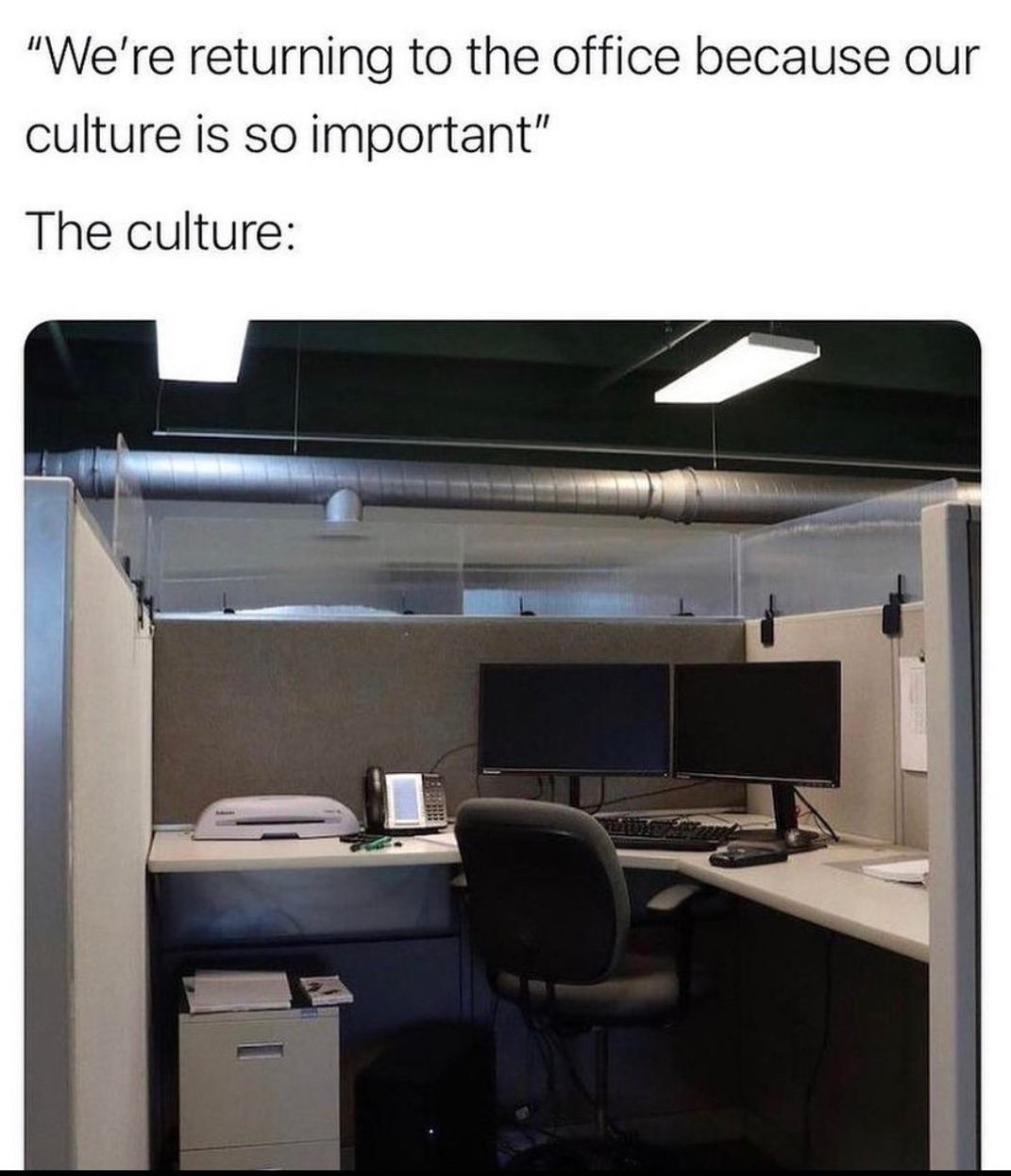
The Great Return - Rethinking Workplace Magnetism
The return-to-office debate continues to dominate C-suite discussions, but perhaps we’re asking the wrong question. Instead of "How do we get people back?", the better question is: "How do we create spaces people are drawn to?"

The return-to-office debate continues to dominate C-suite discussions, but perhaps we’re asking the wrong question. Instead of "How do we get people back?" the better question is: "How do we create spaces people are drawn to?"
Not every company can afford a state-of-the-art environment. For start-ups, securing a workspace, buying laptops, and occasionally providing lunch may suffice. But what surprises me is how many businesses that can afford to invest in their environments choose not to.
Workplace Design Through Maslow’s Lens
This got me thinking about Maslow’s hierarchy of needs and its connection to workplace design. Just as humans require basic physiological needs met before pursuing higher aspirations, offices must fulfill foundational needs before inspiring innovation and collaboration. Breakthrough thinking is unlikely in spaces that fail to offer even basic comfort and safety.
This perspective has reframed how I approach the return-to-office conversation. It’s not just about managing real estate—it’s about designing environments that meet human needs, from the most basic to the aspirational.
Maslow’s Hierarchy in Workplace Design
Over the next few posts, I’ll explore how Maslow’s framework can guide workplace design:
Basic Needs: Ergonomic workstations, proper lighting, and robust technology infrastructure
Safety: Advanced air quality, acoustic comfort, and psychological security
Belonging: Collaborative spaces that foster connection and community
Esteem: Design elements that communicate value, recognition, and pride
Self-Actualization: Environments that inspire creativity, growth, and innovation
Crafting Magnetic Workspaces
The challenge isn’t about forcing employees back—it’s about crafting spaces magnetic enough to meet these human needs. When offices succeed in doing that, mandates become irrelevant.
Let’s Reimagine Your Workspace
I’d love to hear your thoughts, additions, or ideas on this approach. If you’re thinking about how to reimagine your office space, let’s connect—I’d be happy to discuss how we can create a space that draws people in.