
Notes from
the studio.
Design, hospitality, business, Portland, projects in progress, and the things we keep noticing.
Start reading ↘Useful thinking, honest project stories, and a view into the life around the work.
The questions clients ask us most, answered honestly — plus the project stories, studio news, and Portland observations that don't have another home on this site.
Six subjects we keep coming back to: Hospitality, Commercial, Residential, Studio News, Gallery, and Portland.
Before you sign a restaurant lease
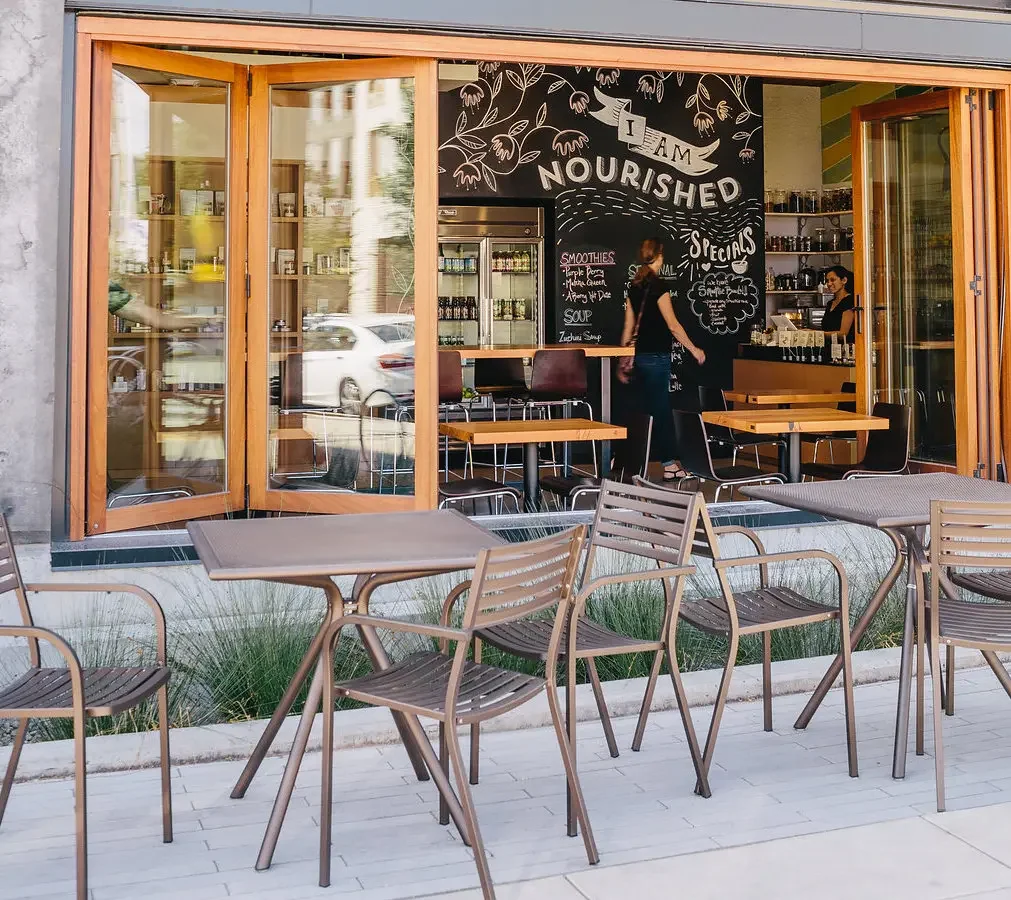
Twelve questions smart operators ask to expose constraints, protect leverage, and avoid preventable delays in a Portland build-out.
Read the story →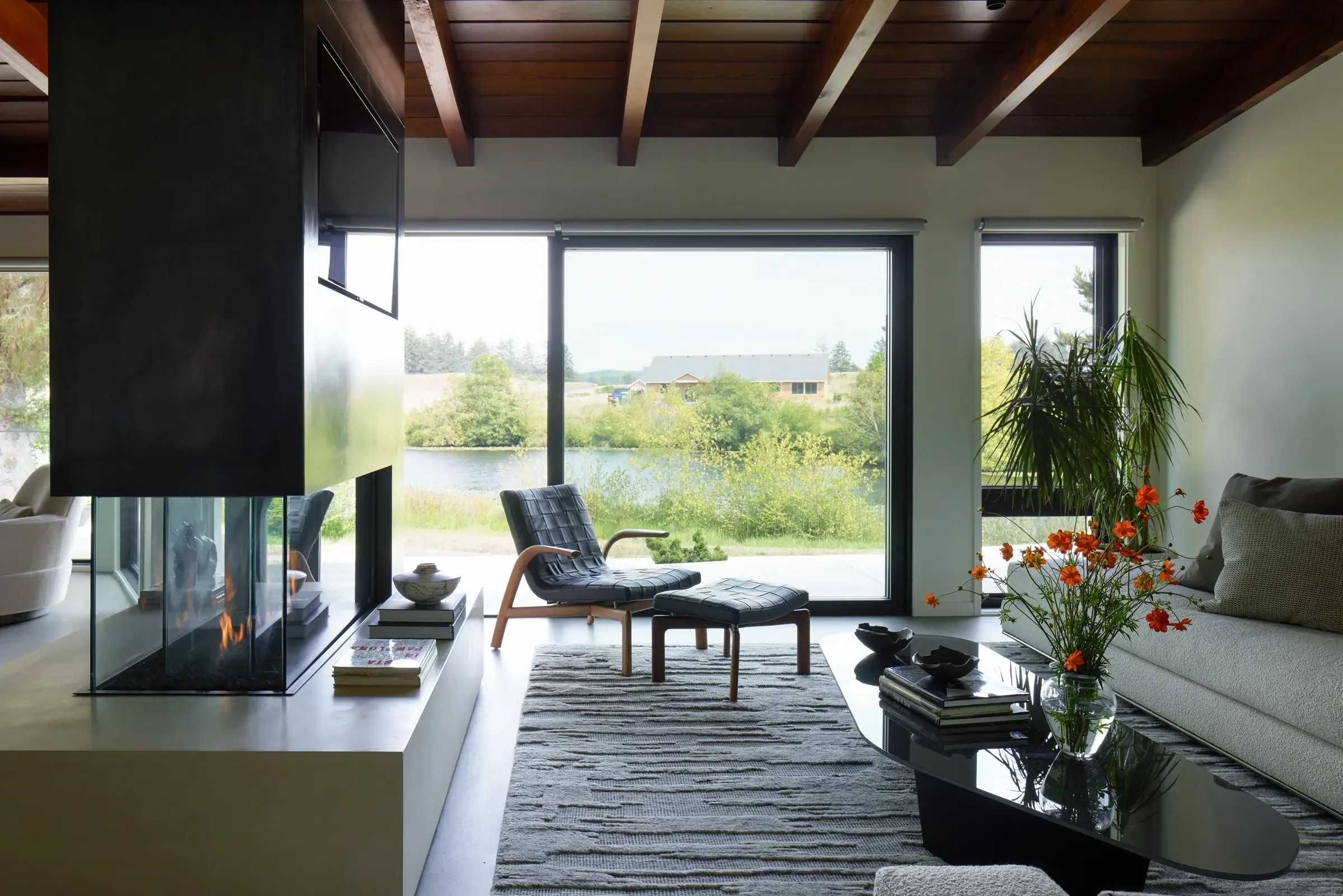
From "just new furniture" to a complete transformation
How an honest early conversation changed the scope, orientation, flow, light, and life of a midcentury lake house.
Read the story →When clients go smaller, the work gets more complex
A practical framework for planning boutique commercial interiors around flow, feel, and friction.
HospitalityHospitality everywhere
Why welcoming design is not limited to hotels and restaurants, and why feeling matters long after the first impression.
WorkplaceWhy commercial office lobbies matter more than ever
How arrival spaces influence tenant perception, identity, connection, and leasing performance.
Studio lifeBringing a shared dream to life: our gallery space
The story behind turning part of the WDP building into a public-facing creative room for Portland.
PortlandFinding your place in Portland
A personal look at helping people create homes that feel grounded in the city and the life they came here to build.
Hospitality
Feeling, welcome, gathering, ritual, and what makes people want to stay.
Commercial
Leases, test fits, lobbies, restaurant planning, workplace, brands, and the realities behind opening.
Residential
Remodels, daily life, decision making, furniture, materials, and the stories behind complete homes.
Studio News
Projects, people, events, collaborations, and what is happening inside WDP.
Gallery
Artists, exhibitions, interviews, and the ideas that enter the studio through the work on the walls.
Portland
The city, its creative community, its buildings, and why place matters to the way we design.
Read what is useful.
Stay for what is personal.
A few thoughtful emails each year. Choose studio news, Gallery WDP updates, or both.
August News from the Studio
This issue: why a room you move through daily stops registering, and what a fresh set of eyes is actually for. Plus our rebuilt website, Converge 45 and TBA opening across the city, Brian Libby's In Search of Portland on September 12, and a quick tip on acoustics.
Hello!
Portland’s art season opens this week, and it opens big. Converge 45 kicks off today, turning sixteen venues across the city into a single exhibition, and PICA’s TBA Festival follows in September. We have laid out what we are most looking forward to inside. If you have been meaning to get back out to galleries, the next few weeks make it easy.
Closer to home, our website is new. It has been a long time coming, and it finally reflects the studio the way we actually experience it. We would love for you to take a look.
This issue’s reflection is about noticing — how a room can be looked at every day and still go unseen, and why the most useful thing we do is often not adding anything at all.
In the gallery, mark September 12 for the opening of Brian Libby’sIn Search of Portland. And if you have not yet seen Bruce Ely’s photographs,this Friday is your last chance.
As always, thank you for being here.
With appreciation,
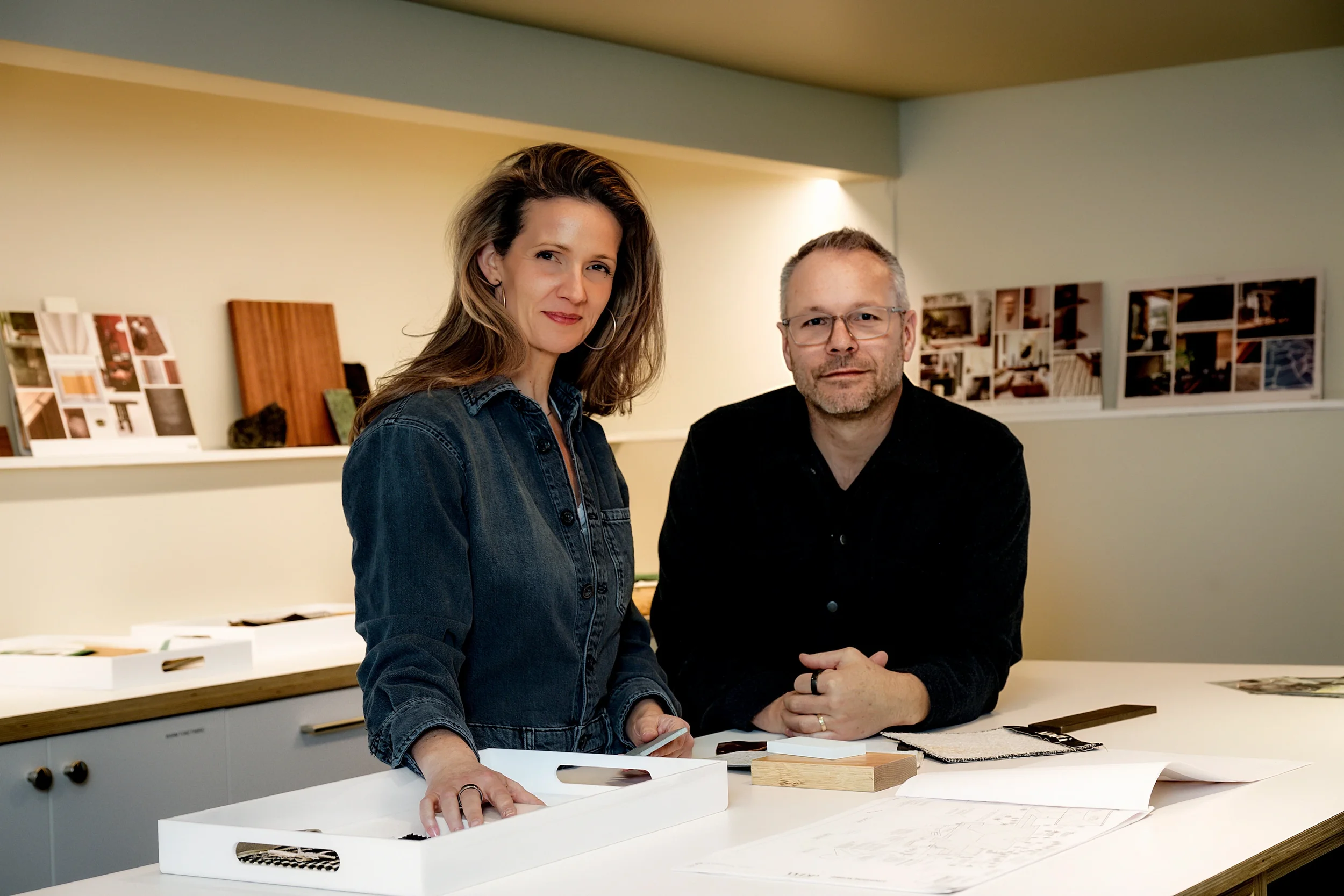
Arielle and Travis Weedman
Upon Reflection: The Discipline of Noticing
A room can be looked at every day and still go unseen.
Not because anyone is careless. Because looking and seeing are different acts, and only one of them takes effort. We move through most spaces the way we read a familiar word — recognizing the shape, skipping the letters. It is efficient. It is also how a room quietly stops being asked anything.
There are two ways this happens, and they behave differently.
The first is the thing everyone sees and no one raises. A ceiling that presses down. A wall standing between two rooms that clearly want to be one. Nobody misses it. What goes missing is the question underneath it, because the answer feels like it might be expensive, or structural, or simply too large to open on a Tuesday. So the problem stays fully visible and completely unaddressed. It becomes furniture. And the strange mercy is that the imagined cost is almost always larger than the real one.
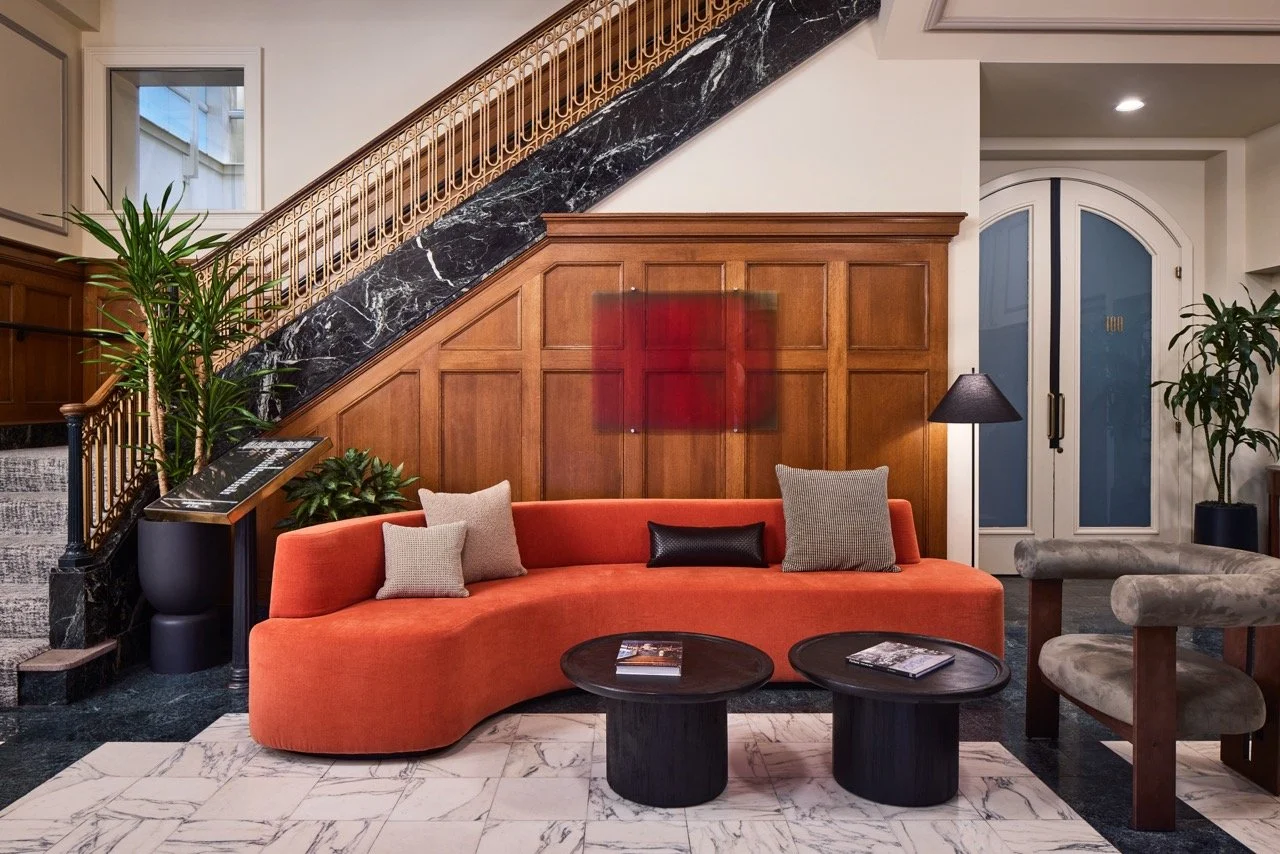
The second is harder, because there is nothing to point at. An absence does not announce itself. A house that never opens onto the landscape it was built for. A lobby with nowhere to sit and no reason to pause. A door that was never put where everyone clearly wants to walk. You cannot notice what was never built. You can only notice the small, unattributed friction it leaves behind — the pause before you decide which way to go, the room nobody uses, the party that keeps drifting into the kitchen.
These are not design problems yet. They are observations. The design comes afterward, and it comes easier.
Which is what a fresh set of eyes is actually for. Not taste, and not permission. Just the absence of habit — the ability to walk in without years of accumulated skipping.
The most useful thing we do is rarely the most visible thing. Often it is not adding at all. It is naming what was already there, or what should have been. Most rooms do not need more. They need someone to ask the question that stopped getting asked.
A New Home Online
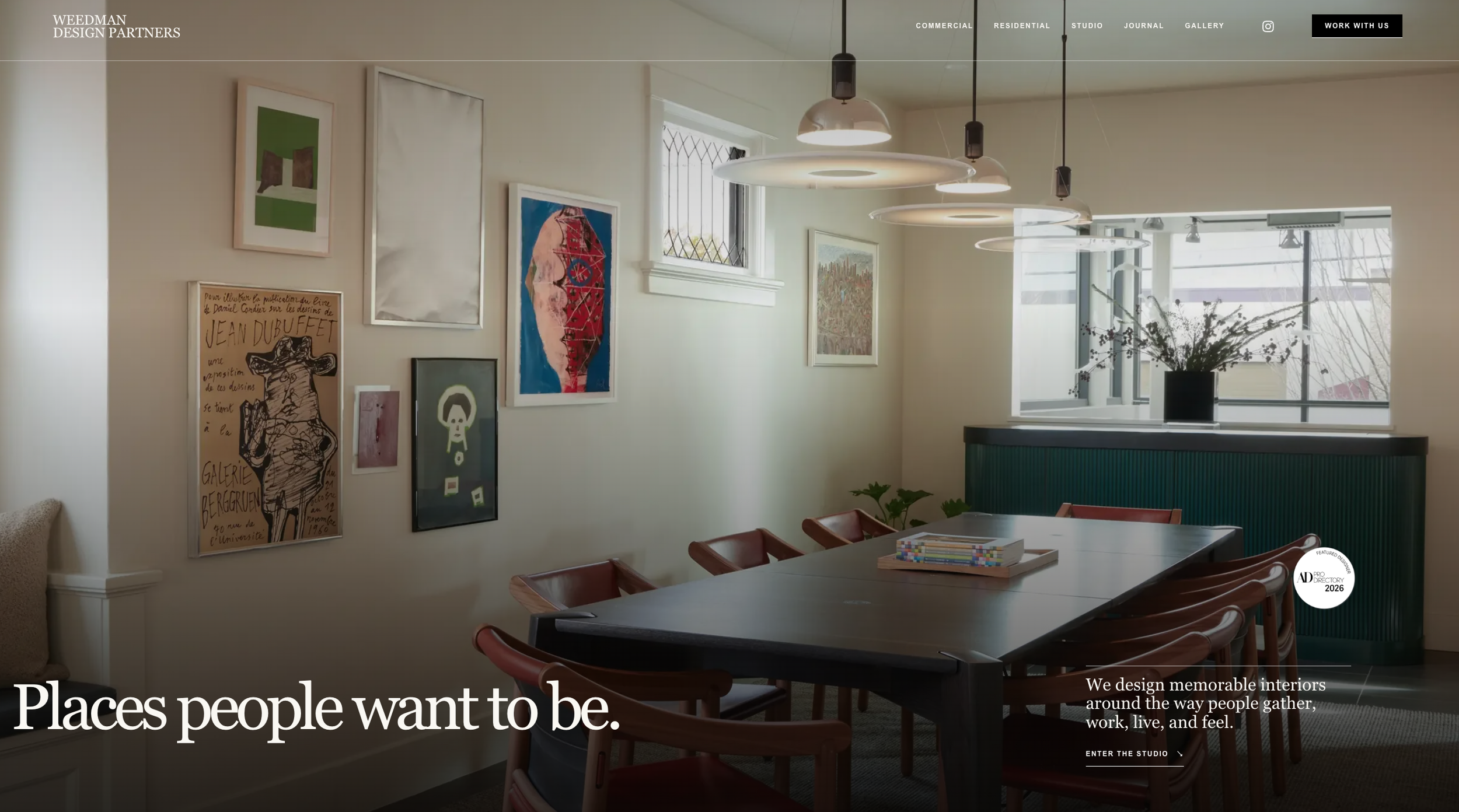
Our website has been rebuilt, and it finally sounds like us.
The old one was accurate. It listed what we do, sorted the work into the right categories, and answered the questions a prospective client would ask. It just didn't feel like anything. Which is a strange thing for a design studio to tolerate, and after a while it started to bother us.
The studio has never been only a place where drawings get made. It is also a room where art goes up, where people come by on a Thursday afternoon, where a project meeting runs long because the conversation got interesting. That side of it had no representation online at all.
So we started over, and this time we wrote it the way we talk. The work is easier to move through. The gallery has a real front door instead of a footnote. The writing sounds like a person rather than a firm.
It reads more like walking into 1905 NW 23rd, which was the entire point. Come look around: weedmandesignpartners.com
Portland's Art Season Starts Today!
Two things worth putting on your calendar, both of which turn the whole city into the venue.
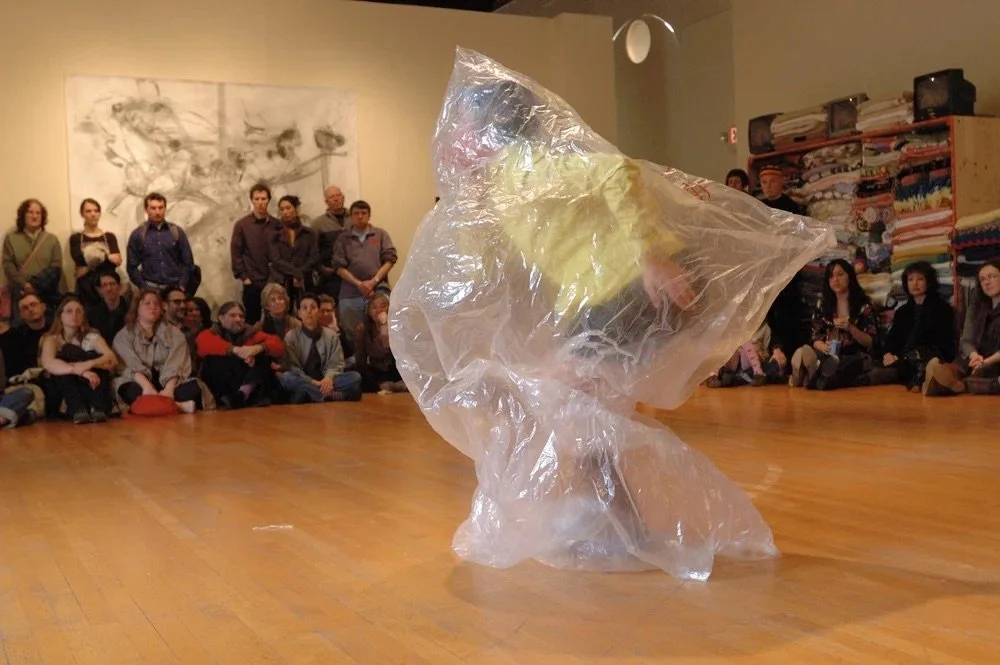

Converge 45 opens today! The triennial returns for its tenth anniversary as Here, To you, Now, curated by Lumi Tan, with 28 artists and 17 new commissions spread across 16 venues. Opening weekend runs August 27–30 with receptions, performances, screenings, and talks, and programming continues through the fall. The title comes from Ursula K. Le Guin's Always Coming Home, from a passage about the difference between the written word, which lasts and belongs to everyone, and the spoken word, which exists only between the people in the room at that moment. Oregon Contemporary, PICA, PNCA, Reed's Cooley Gallery, Open Signal, and the Reser are all participating, among others.
PICA's TBA Festival follows September 9–13.
TBA deserves more than a calendar listing. PICA launched the Time-Based Art Festival in 2003, and it has spent more than twenty years making Portland a destination for work that does not fit in a gallery. It was modeled on the international festivals in Edinburgh and Adelaide, and it has largely delivered on that ambition — The New York Times has called it the best contemporary summer festival in the country. Performance, dance, installation, film, music, conversation, and a good deal that resists naming. It takes over theaters, warehouses, and public space, and it brings artists to this city who would otherwise never come here.
Very few cities our size have anything like it. That is worth saying plainly.
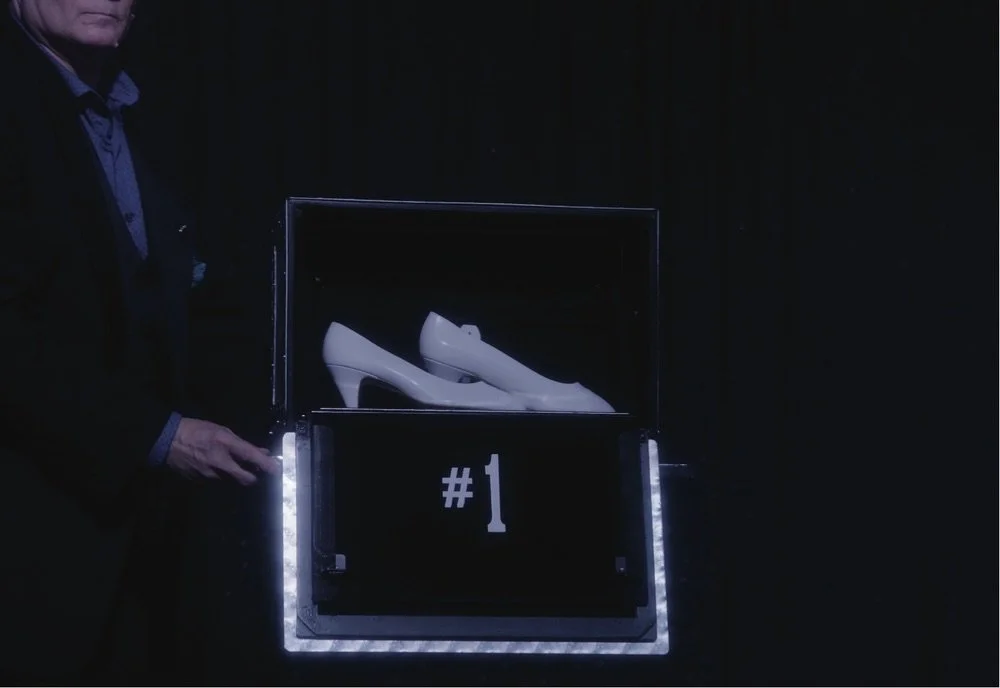
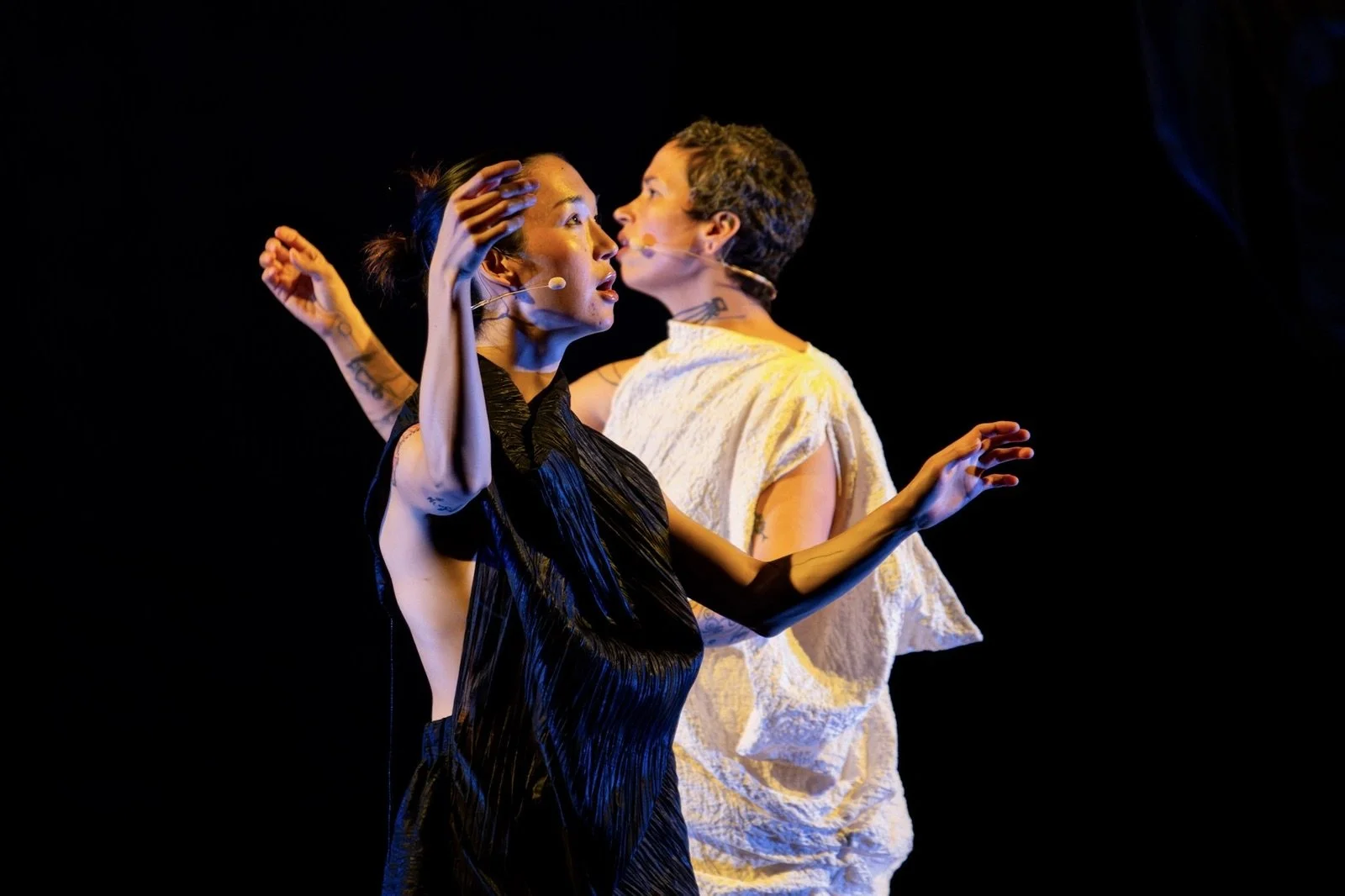
This year's edition is compressed into five days, which makes it unusually easy to dive into. Highlights include Rimini Protokoll's The Walks, Michelle Ellsworth's Memento Mori in the Dreamatorium, Alex Tatarsky's Sad Boys in Harpy Land, and new work from Symara Sarai and Allie Hankins. There is an opening night party, a bar garden, and the traditional pancake breakfast. Passes run $250 for full access, and individual tickets are available for anything that catches your eye.
PICA also has Trisha Baga's MORE on view through October 24, with a reception this Friday, August 28, from 6:00 to 9:00 PM — and Baga is in Converge 45 as well, so the two overlap in the best way.
If you only do one thing: pick a neighborhood, walk it, and see three things in an afternoon. That is how both of these are meant to be experienced.
In the Gallery
Save the date: In Search of Portland, photography by Brian Libby
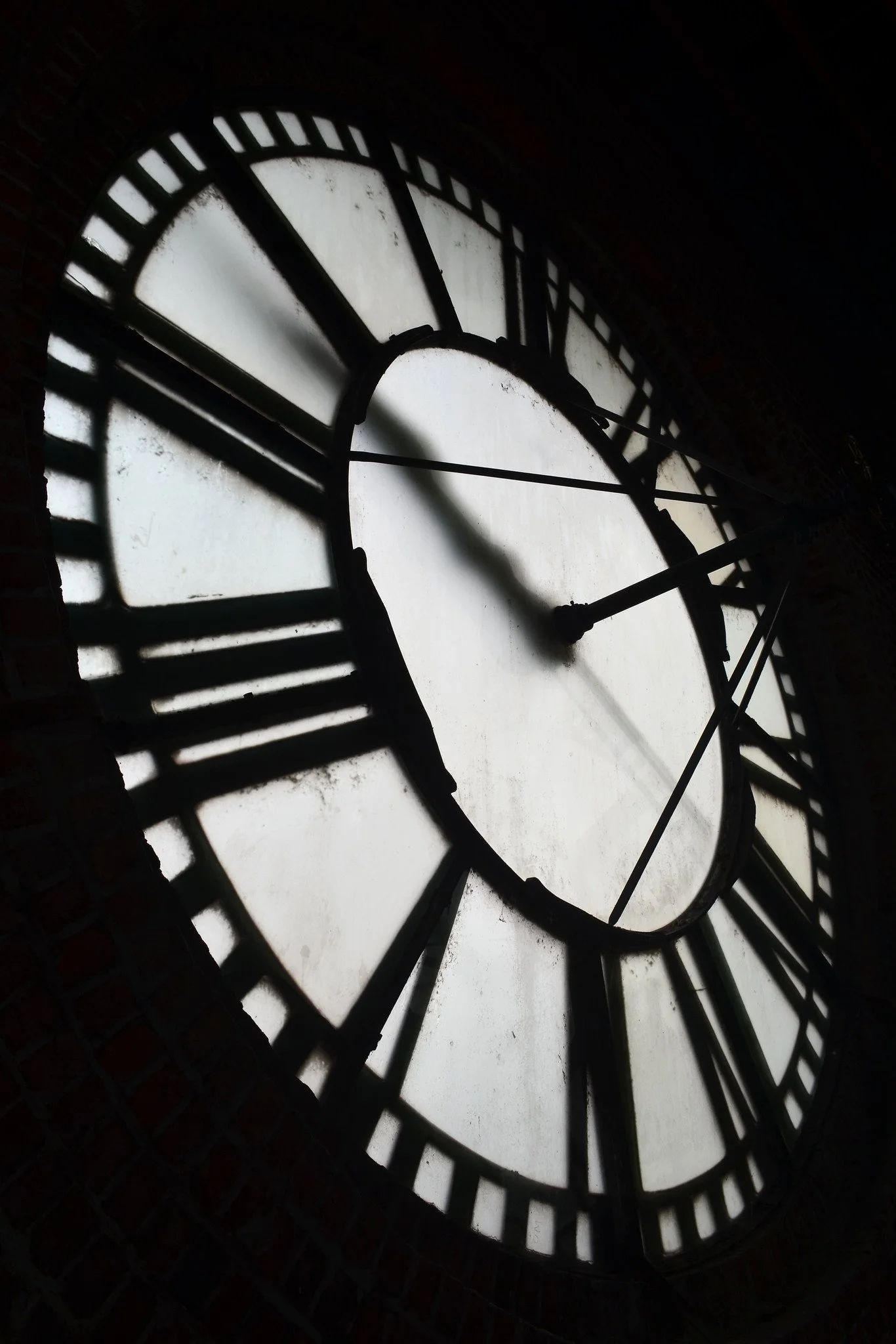
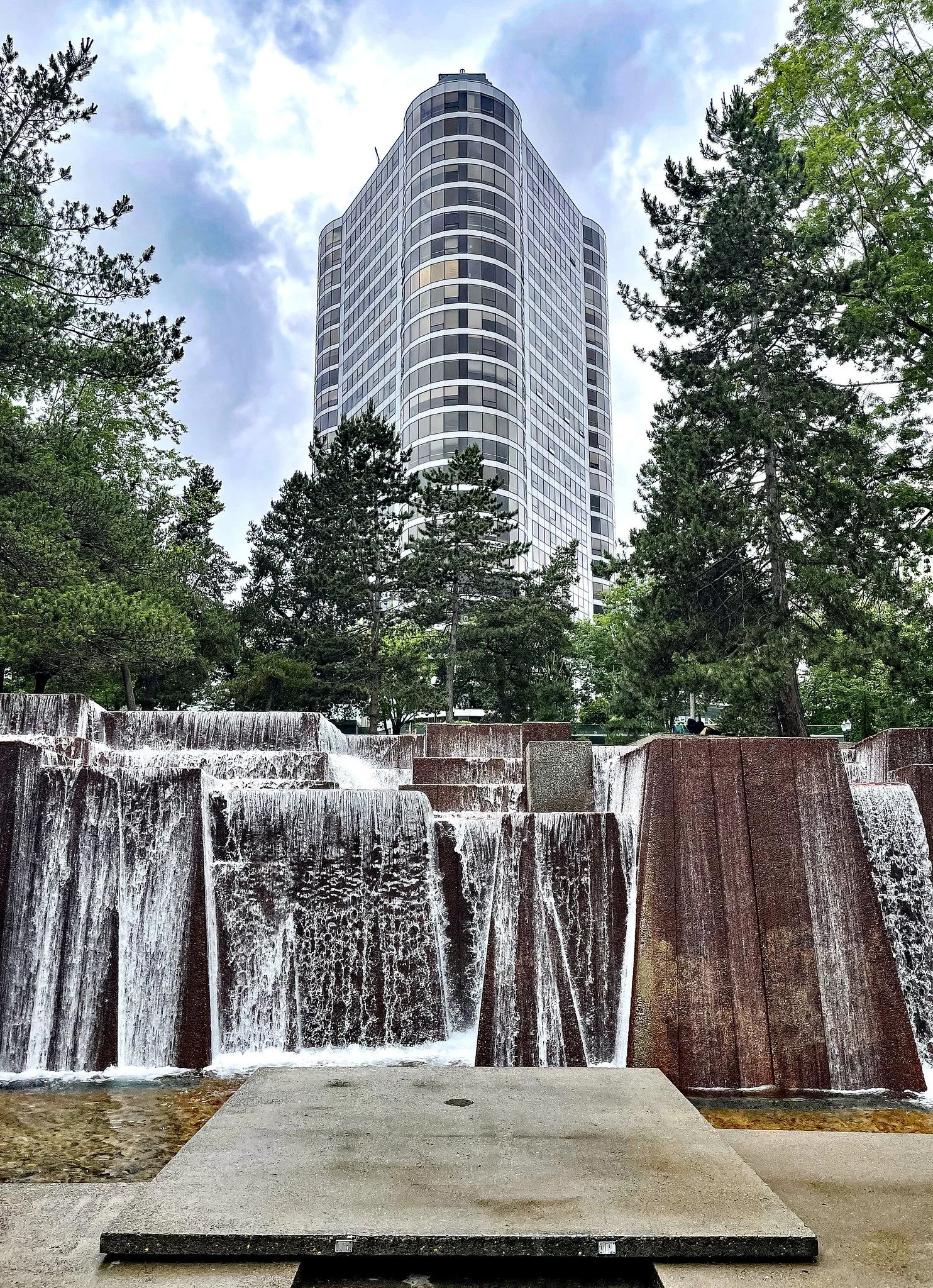
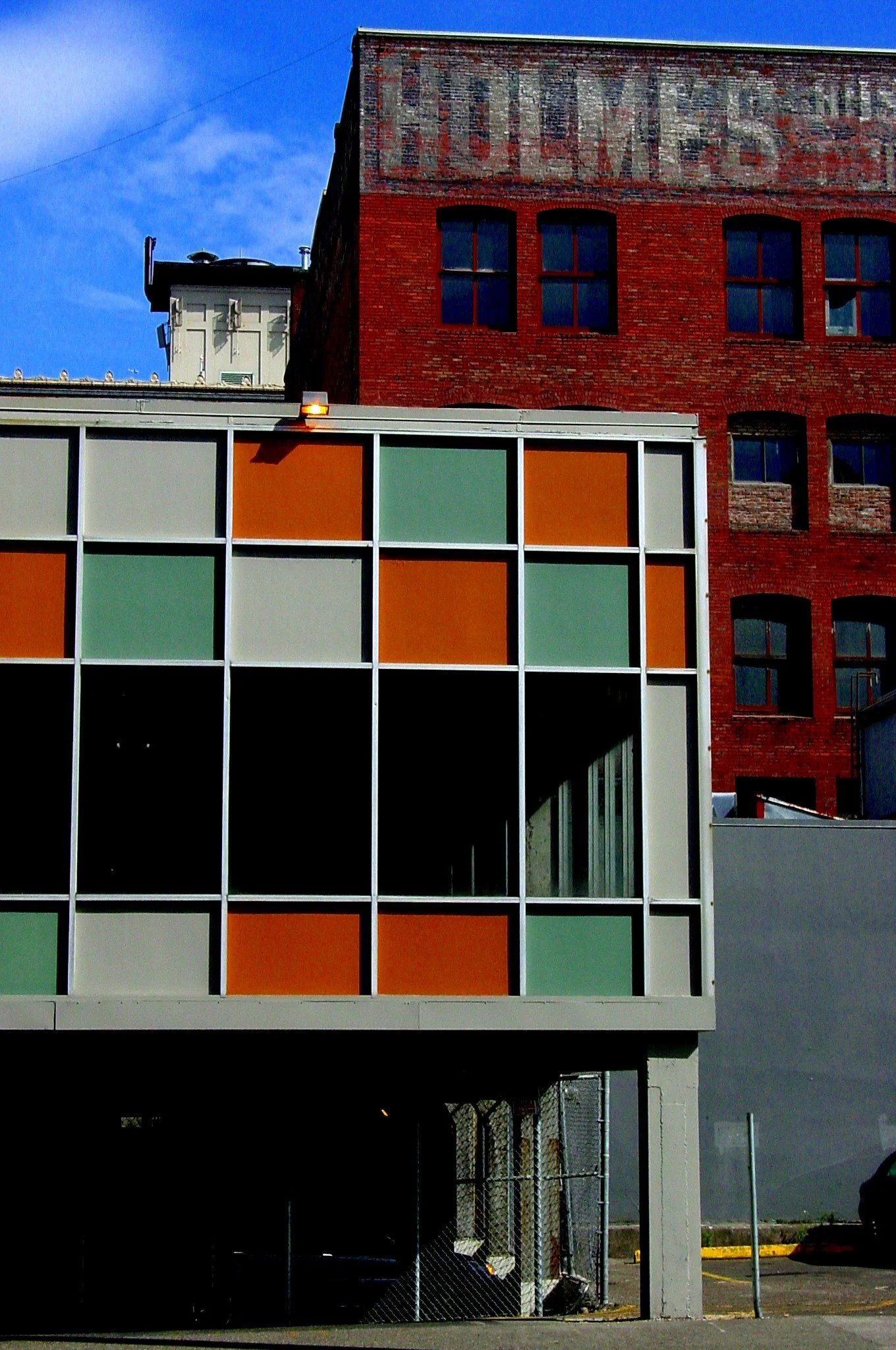
Brian Libby has covered architecture, art, and film in this city for more than 25 years — in The New York Times, The Wall Street Journal, The Atlantic, Dwell, Metropolis, and for years on his own blog, Portland Architecture. This show introduces Brian Libby the photographer.
The images come from his new book, In Search of Portland: Exploring a Transforming City (Oregon State University Press), part walking tour, part cultural history, part memoir. They were taken over 25 years in downtown, Old Town, and the Pearl, and they mix landmarks you would recognize immediately with places you have walked past a hundred times without looking up. The exhibition also includes hand-drawn illustrations from the book by architect and artist Nicolai Kruger.
The opening runs in tandem with the book's release, so it is a first look at both. More about the show here.
Last call: Portland Trail Blazers Through the Lens of Bruce Ely
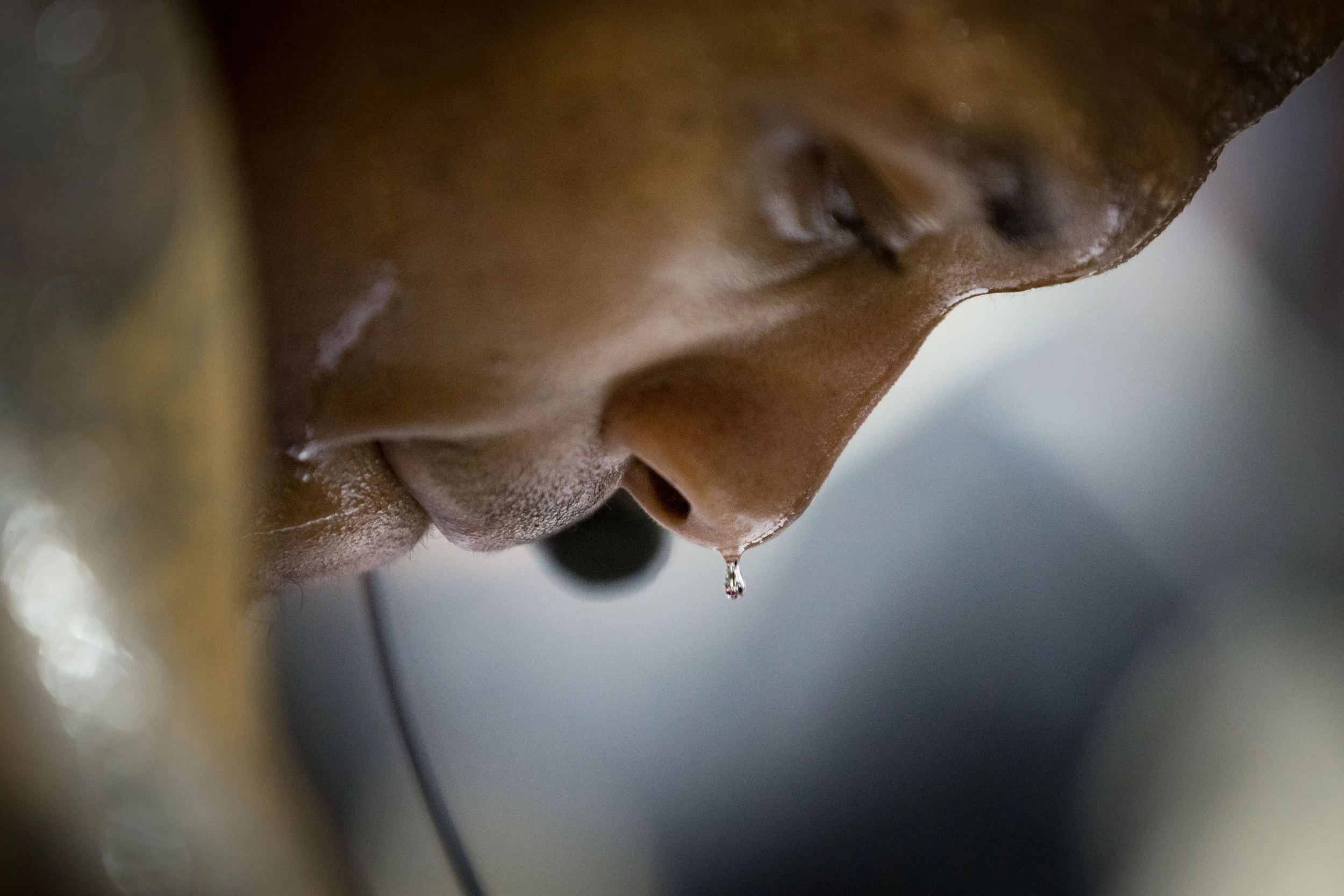
Friday, August 28 is the final day — the gallery is open 11:00 AM to 4:00 PM. If Bruce's photographs have been on your list all summer, this is it. Details here.
Quick Tip! Fix the Sound
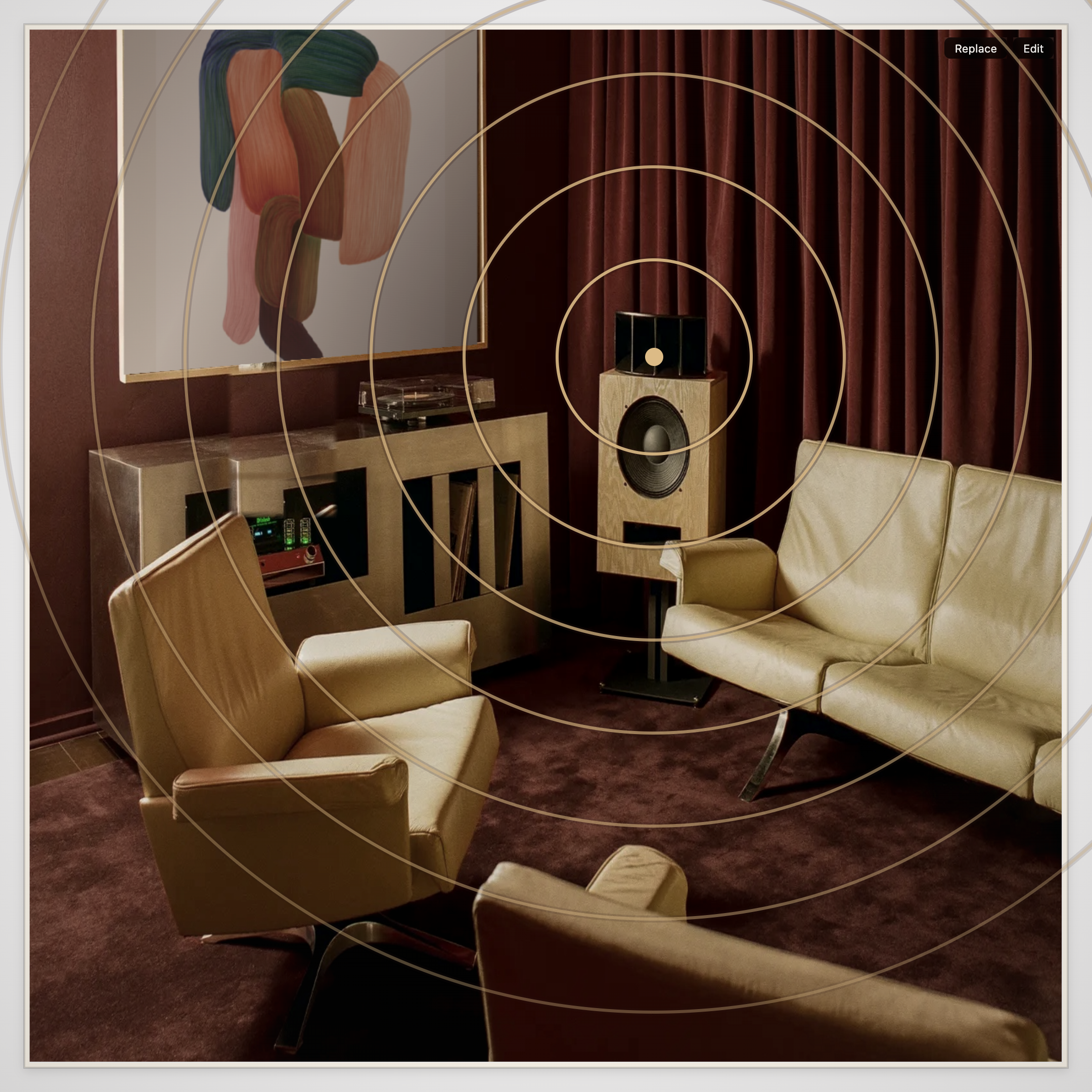
When a room feels stressful and nobody can say why, it is almost always the acoustics.
This is the most under-discussed problem in interiors. We spend enormous energy on how a room looks and almost none on how it sounds, and yet sound is what people react to first. Guests talk louder. Meetings feel tense. A dinner party gets exhausting by the second hour. Everyone blames the crowd.
Hard surfaces are the culprit — glass, concrete, tile, plaster, exposed ceilings, tables without cloths. All the things that photograph beautifully. The sound has nowhere to go, so it keeps going.
The fix is soft material, and it does not have to be visible. Drapery is the single most effective move most rooms can make, and it works even when the windows do not need covering. A wool rug with a proper felt pad, upholstered rather than hard-backed seating, and a bookshelf that is actually full all pull real volume out of a room. Acoustic panels can be wrapped in fabric or hidden behind artwork, and ceiling treatments do more than anything at floor level.
In commercial spaces the same problem shows up as a business cost. A restaurant that is too loud shortens visits and flattens the experience. An office where nobody wants to take a call is not a collaboration problem. It is a materials problem.
Clap once in the middle of the room. If it rings, you have your answer.
We hope you found something here to inspire your own spaces. If you have questions about design, are considering a project, or simply need a trusted resource, we’d love to hear from you. You can reach us anytime at info@weedmandesignpartners.com, or explore more of our work at weedmandesignpartners.com.
Would you like to receive our Newsletter in your inbox? Fill out the “Stay in the Know” form on our website here.
June News from the Studio
June has been a full one, and we are heading into July with a lot to look forward to. Portland Arts Week launches July 9th, and after months of planning and preparation, we are genuinely excited to see it come to life. Inside this issue, we share the full programming and hope you will join us for some of it.
This month's reflection is about art as meaning: what it carries, what it communicates, and why the right piece changes the feeling of a room in a way that nothing else quite can. We also have gallery news — John Acevedo's show is coming down, and we open a new exhibition of photography by Portland Trail Blazers team photographer Bruce Ely on July 2nd. Plus a note on framing, and why it deserves more thought than most people give it.
Hello!
June has been a full one, and we are heading into July with a lot to look forward to. Portland Arts Week is just two weeks away, and after months of planning and preparation, we are genuinely excited to see it come to life. Arielle is serving as Vice Chair for the inaugural event, and we hope you will come experience some of it firsthand. We have laid out the full programming inside.
This month's reflection is about art — not as decoration, but as meaning. What it carries, what it communicates, and why the right piece can change the feeling of a room in a way that nothing else quite can.
In the gallery, we would love for you to come by this Friday from 1:30 to 6 PM to catch John Acevedo's show before it comes down. Following that, we open a new exhibition of photography by Bruce Ely, the Portland Trail Blazers' team photographer, on July 2nd.
As always, thank you for being here.
With appreciation,
Arielle and Travis Weedman
Upon Reflection: Art as Meaning
Art is not something we add at the end because a wall feels empty.
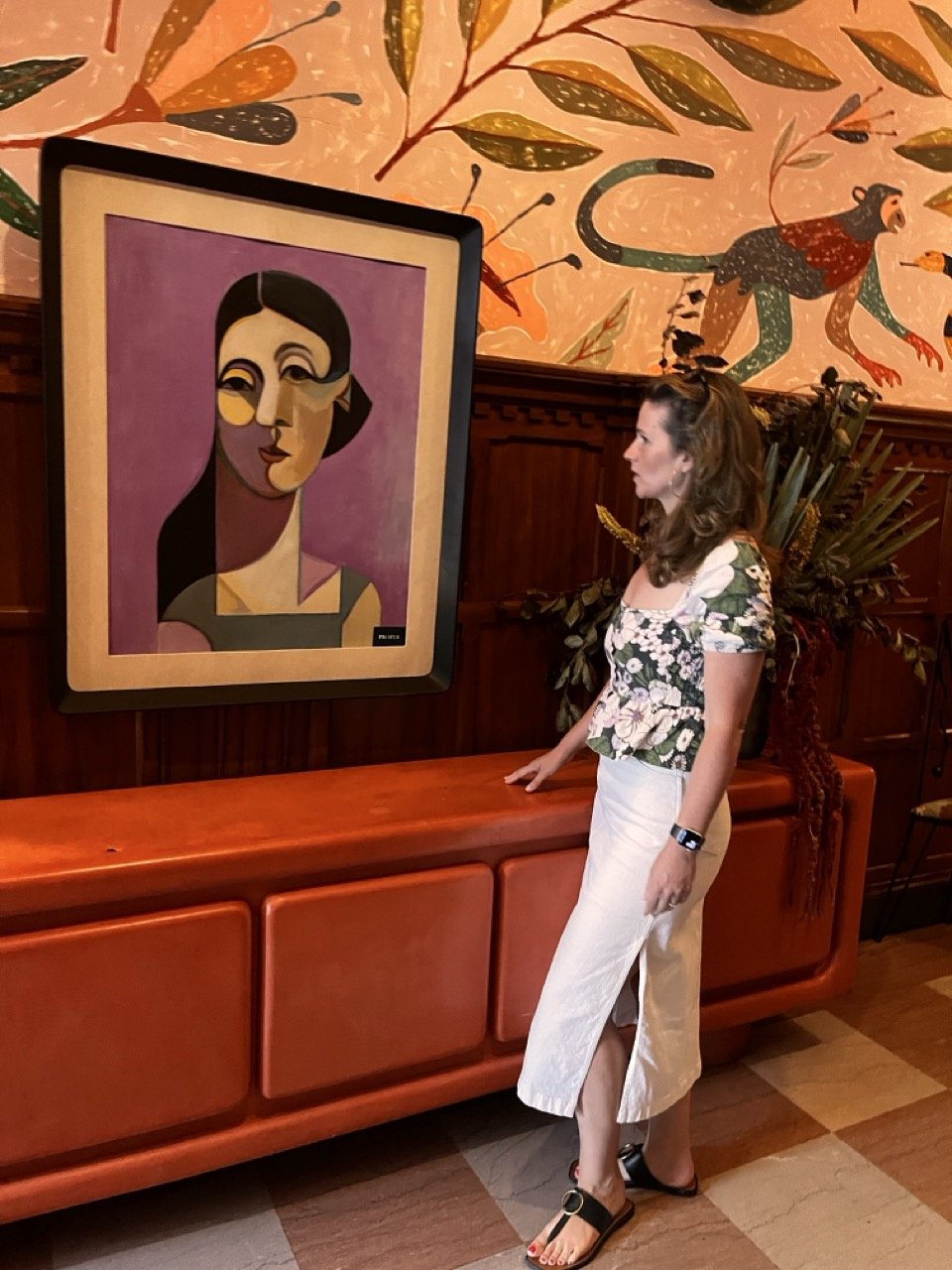
At its best, art changes the feeling of a room. Not in obvious ways. In human ways. A quiet space can become playful. A polished room can become more relaxed. A restaurant can feel more rooted. An office can feel less anonymous.
And it matters because art carries meaning in a way few other objects can. It can hold memory, humor, history, curiosity, or a point of view. It can reflect where someone has been, what they notice, what they collect, what they value, or simply what makes them feel more themselves. The right piece does not need to match the sofa. It needs to belong to the space, and to the people who experience it.
In residential work, art can make a home feel more personal and layered. In hospitality, it can help shape the identity of a restaurant or hotel without having to explain it. In commercial spaces, it can bring humanity to places that might otherwise feel purely functional.
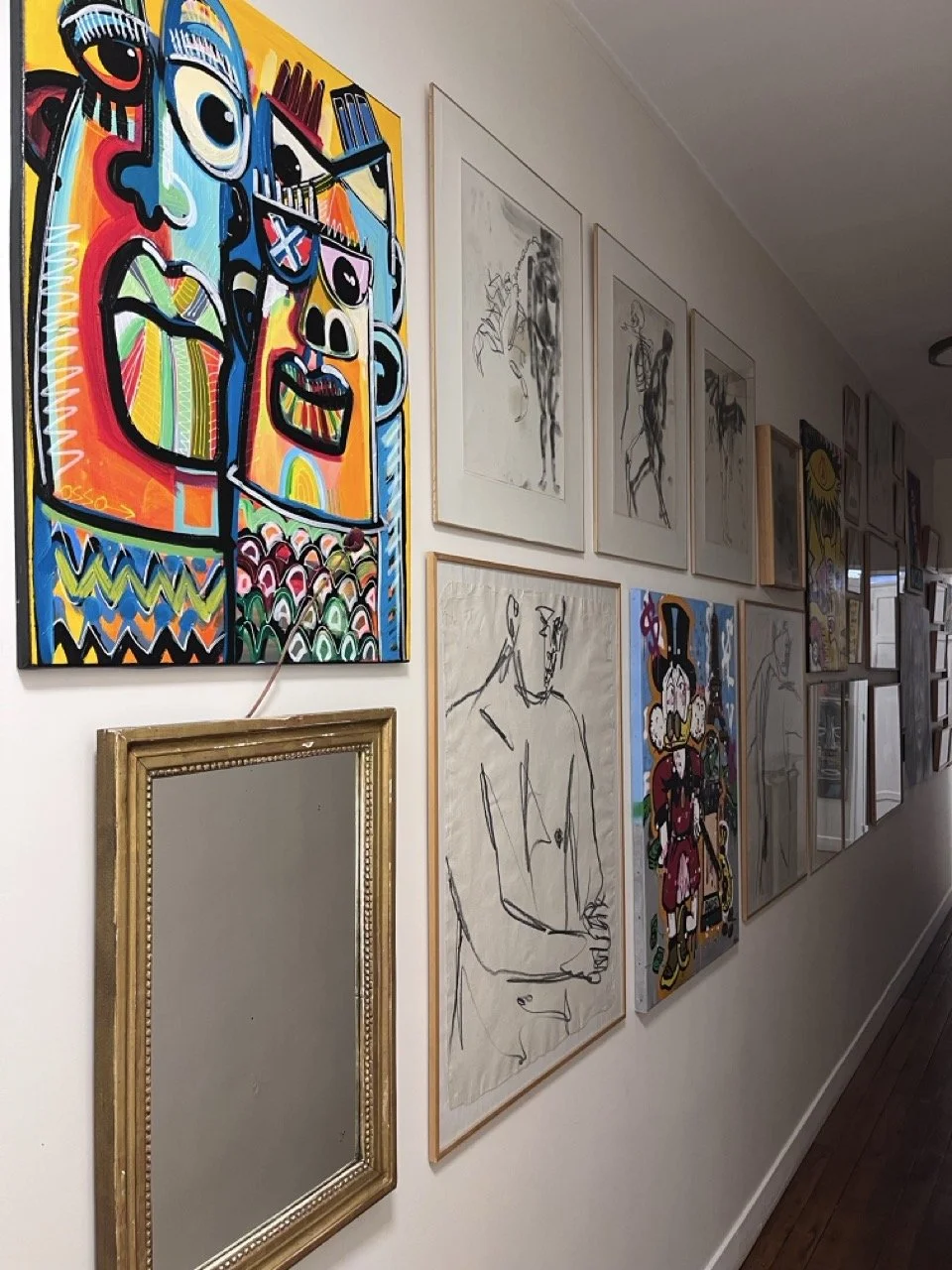
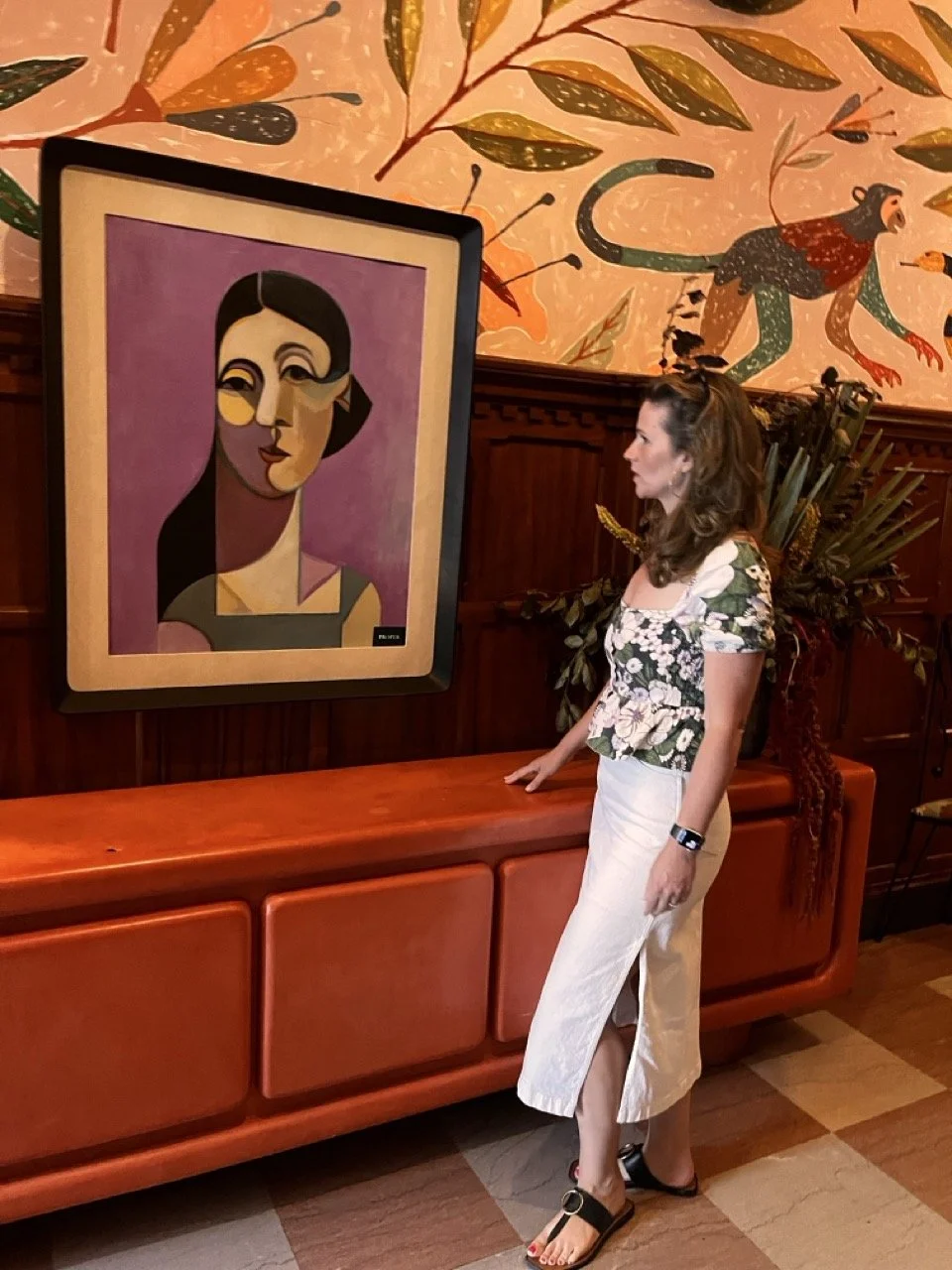
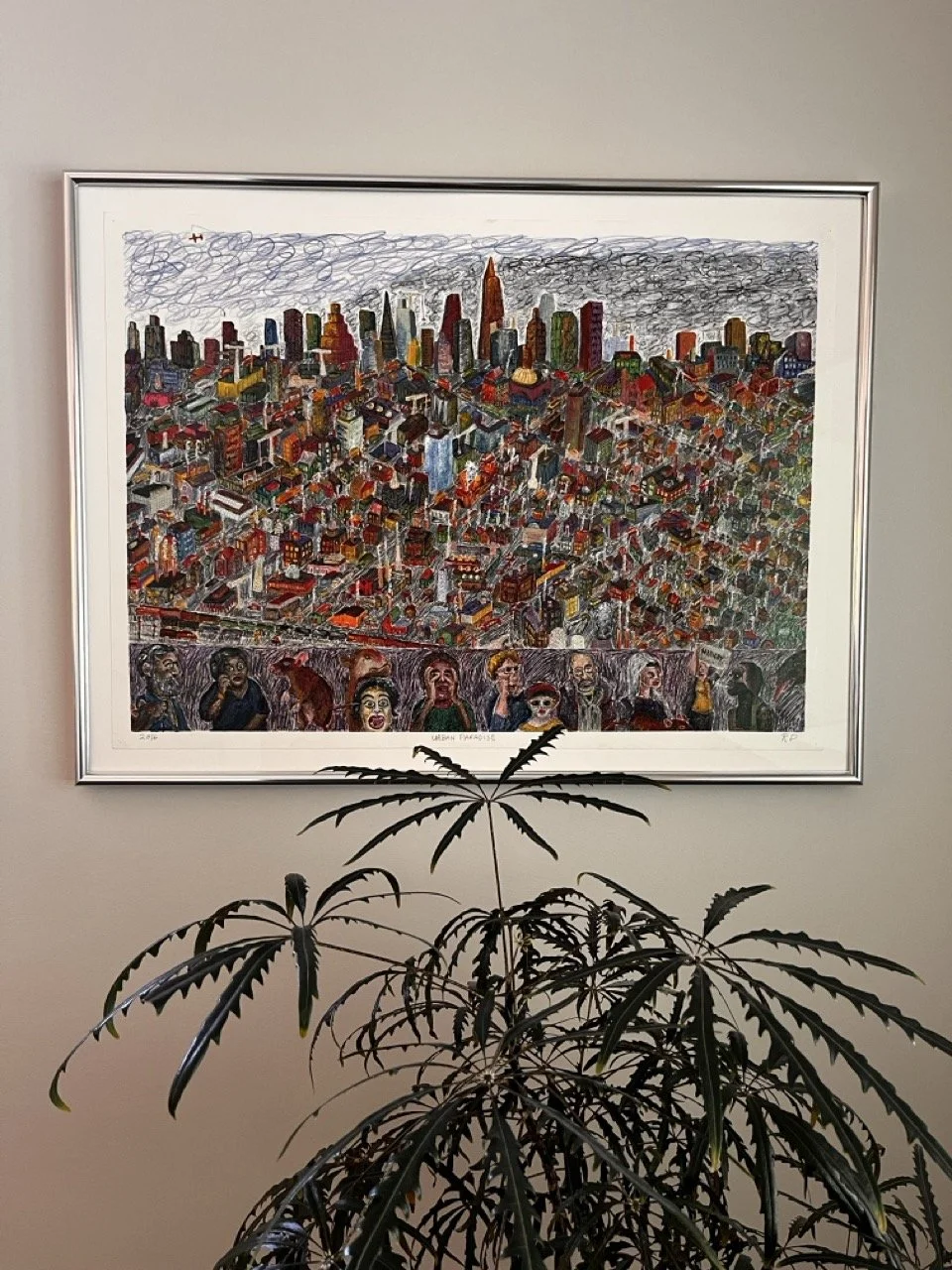
The most meaningful layer is often the story behind the work. Knowing the artist, learning about their process, or understanding where a piece came from changes the relationship. The artwork becomes less like an object and more like a connection. To a person. To a hand. To a history. To a way of seeing.
We think about this often, because we see it happen in our own studio regularly. The gallery keeps us close to artists and to their process, and we are often reminded that art is not only visual. It is personal, relational, and sometimes wonderfully unexpected. It can invite conversation, create pause, add levity, or bring depth to a room in a way that furniture alone cannot.
When chosen well, art is not the last thing you add to a room. It is the first thing you remember about it.
Stay in the know: Portland Arts Week
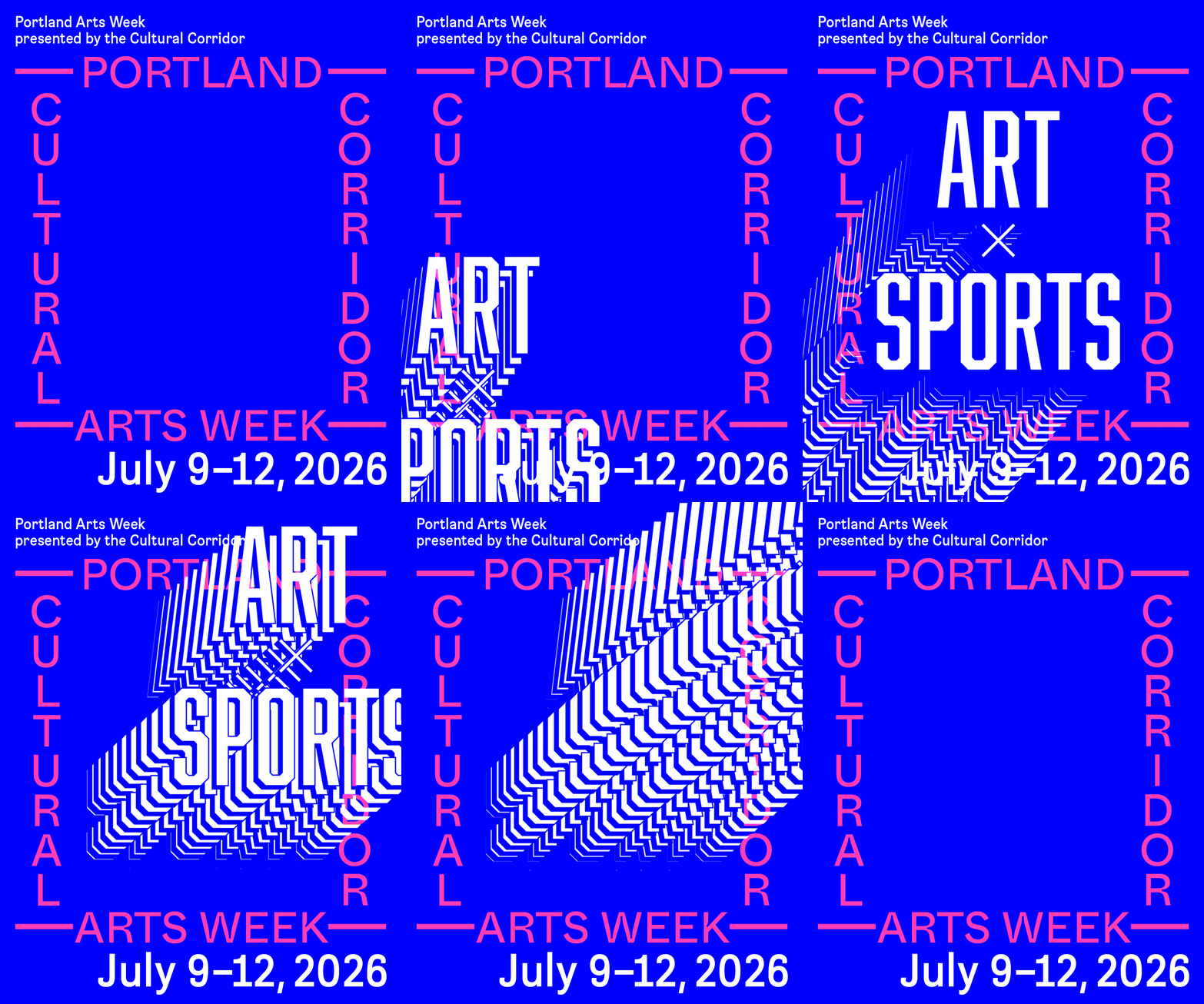
Portland Arts Week is coming, and we are excited to share it with you. Arielle is
Something we've been building toward is finally here.
Portland Arts Week launches this July 9–12, and we couldn't be more excited, or more personally invested. Elizabeth Leach is chairing the inaugural event, and Arielle is proud to be serving as Vice Chair. It has been a meaningful project to be part of, and we hope you'll come experience it firsthand.
This year's theme is Art & Sports — a timely one, given Portland's new WNBA team, the Portland Fire. The programming explores the places where creative practice and athletic culture genuinely intersect: through movement, performance, identity, design, and community. The week activates Portland's Cultural Corridor with exhibitions, dialogues, and events that bring together local galleries, arts organizations, and national thought leaders. Most of the programming is free and open to the public, though many events require advance reservations.
Thursday, July 9 opens at the Portland Art Museum with a morning symposium featuring conversations about art, investment, and culture in Portland — including a look at how the pro athlete art collector is reshaping the art world as both asset class and cultural currency. That evening, galleries across the Pearl District will be open for a special gallery walk from 5 to 7 PM.
Friday, July 10 moves to Tomorrow Theater on SE Division for a second symposium session — more wide-ranging, more Portland-specific. The afternoon includes conversations about how publishing and media shape the language of arts and sports, followed by a panel on the artists, designers, and community leaders remaking the Rose City. Then at 4 PM, the legendary Cookies Hoops podcast tapes live. That evening, PICA hosts Good Game — a competitive evening of art created by an all-star mashup of artists and athletes, judged by a panel of art and sports professionals.
Saturday, July 11 is the most expansive day. We start with a 7v7 soccer tournament hosted by Street Soccer USA at Fields Park. The North Park Blocks come alive with a basketball clinic, pickleball, bocce, and printmaking — free and open all day. PNCA will have its doors open so you can explore graduate studio work. The South Park Blocks offer a different kind of energy: art programming from Free Arts NW, poetry from the Buckman Journal, and an open community Latin dance session courtesy of Bailando Afuera. That evening, the Darcelle XV Plaza hosts a free outdoor performance program curated by Claire Olberding. The evening features the Oregon Symphony Stumptown Thumpers Quartet, Oregon Ballet Theater, tap dancer TJ Yale, Onry and Diarra Mboup, and a NØIR performance with original poetry by Subashini Ganesan-Forbes. The night closes with a closing party at L'Atelier Yaffe.
Sunday, July 12 winds down the week with the Rose City Mondial Futsal Tournament in Gresham — youth and community co-ed play with a halftime show — Tai Chi at Lan Su Chinese Gardens in the morning, Art X Sports activities at Mike Bennett Studio in NE Portland, and two film screenings at Tomorrow Theater: A League of Their Own at 3:30 PM and Bring It On at 7 PM.
Reserve your tickets in advance — most events are free, but seats go quickly. Full schedule and links at portlandartsweek.com.
In the Gallery
Last chance: The Monument Valley by John Acevedo
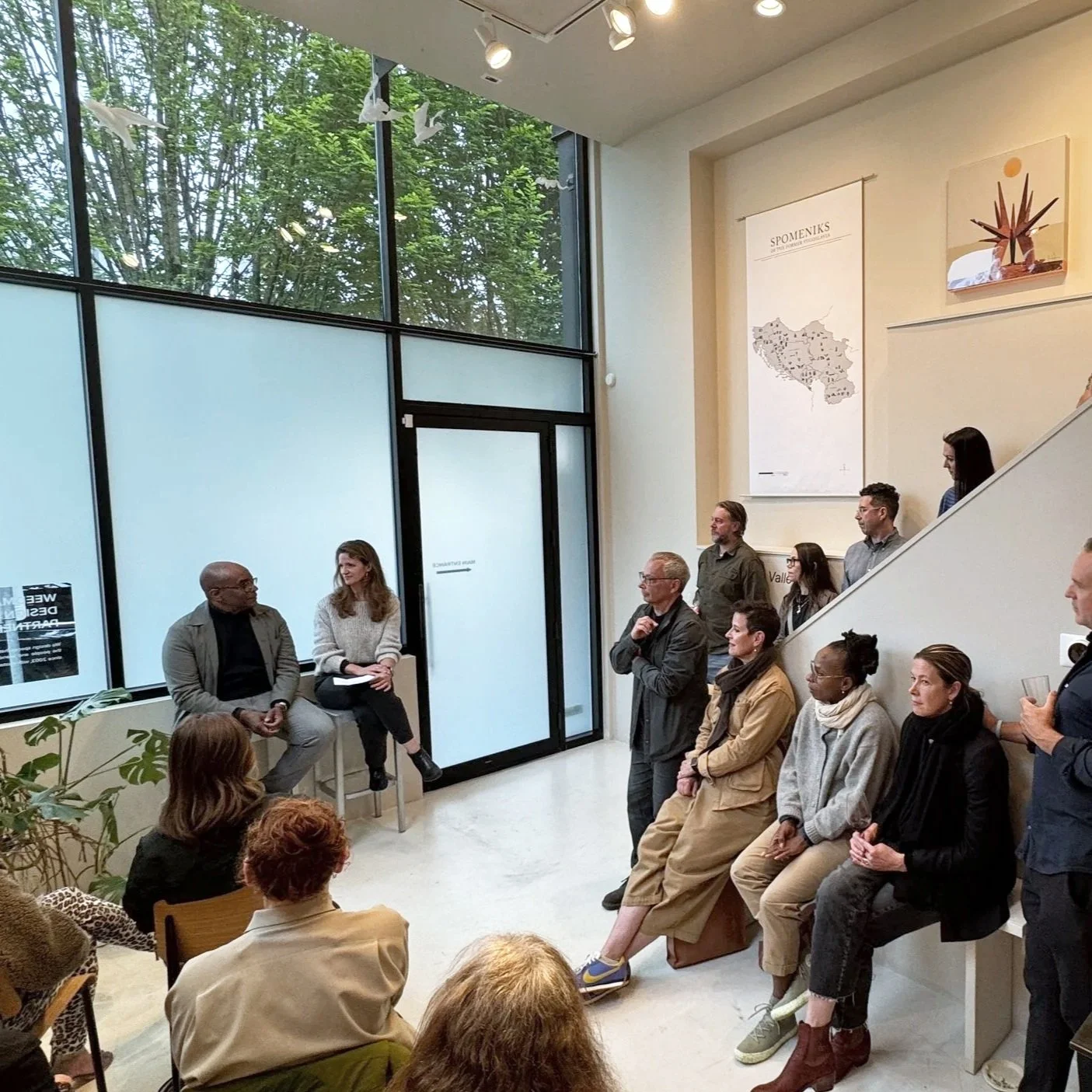
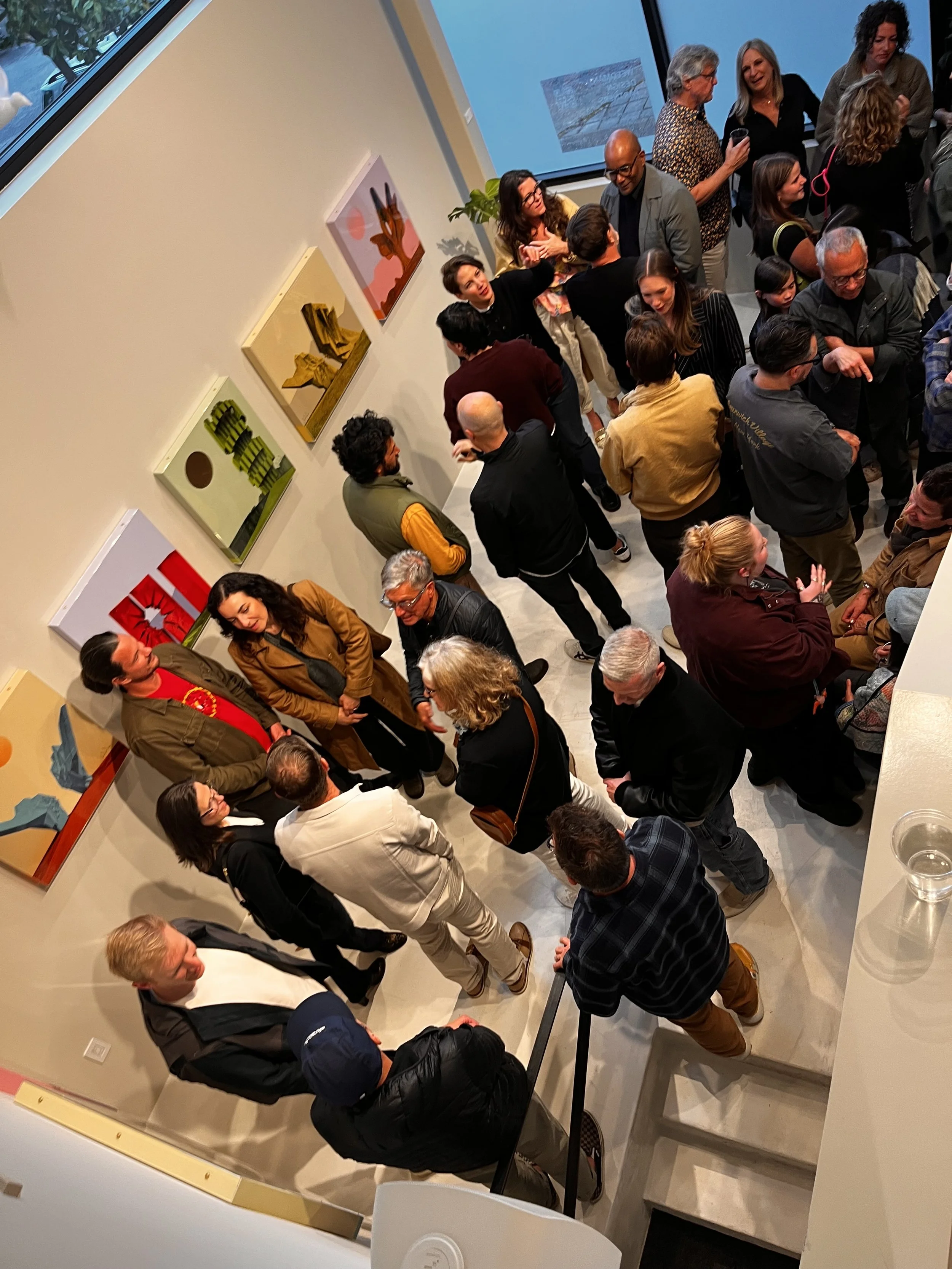
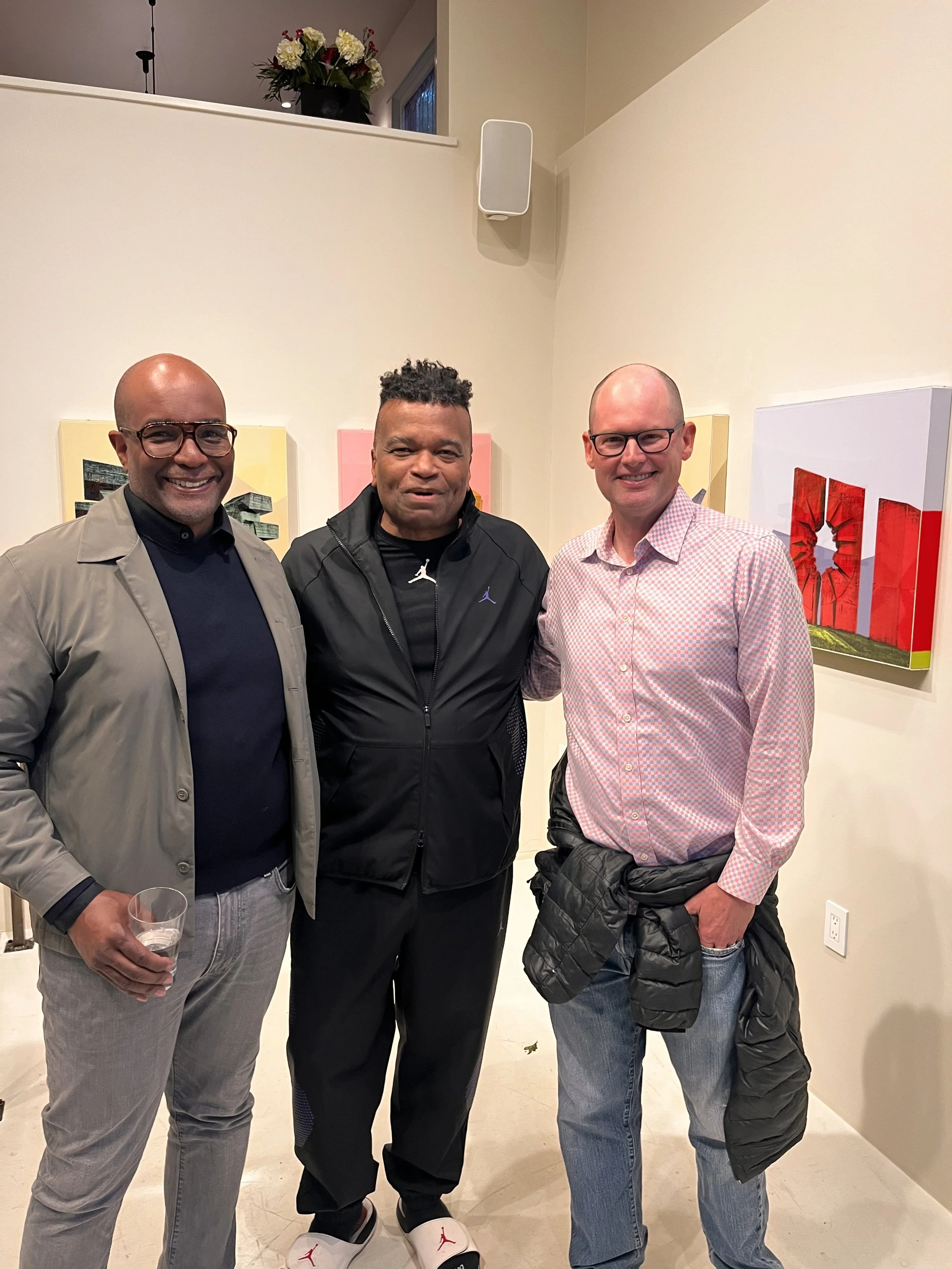
On view through June 26, 2026
The opening for John's show was one of the best-attended we've had — the work clearly struck a chord, and the conversations that evening were exactly what we hope a gallery opening can be. If you haven't made it in yet, the gallery will be open this Friday from 1:30 to 6 PM for one last look before the show comes down. We'd love to see you.
Next show: Portland Trail Blazers Through the Lens of Bruce Ely
On view July 2 through August 28
Opening Reception: Thursday, July 2, 5:00 to 8:00 PM
We couldn't have planned a more fitting follow-up. Bruce Ely is the team photographer for the Portland Trail Blazers, and this exhibition brings together a selection of his photographs — documentary and composed — that capture not just the action of the game but the quieter moments around it. The pause before movement. The exchange between teammates. The weight of preparation. It is sports photography, yes, but it is also portraiture, and it is very much at home here. Given our Art & Sports theme this summer, the timing feels right. We hope to see you at the opening!
Quick Tips! Frame It Right
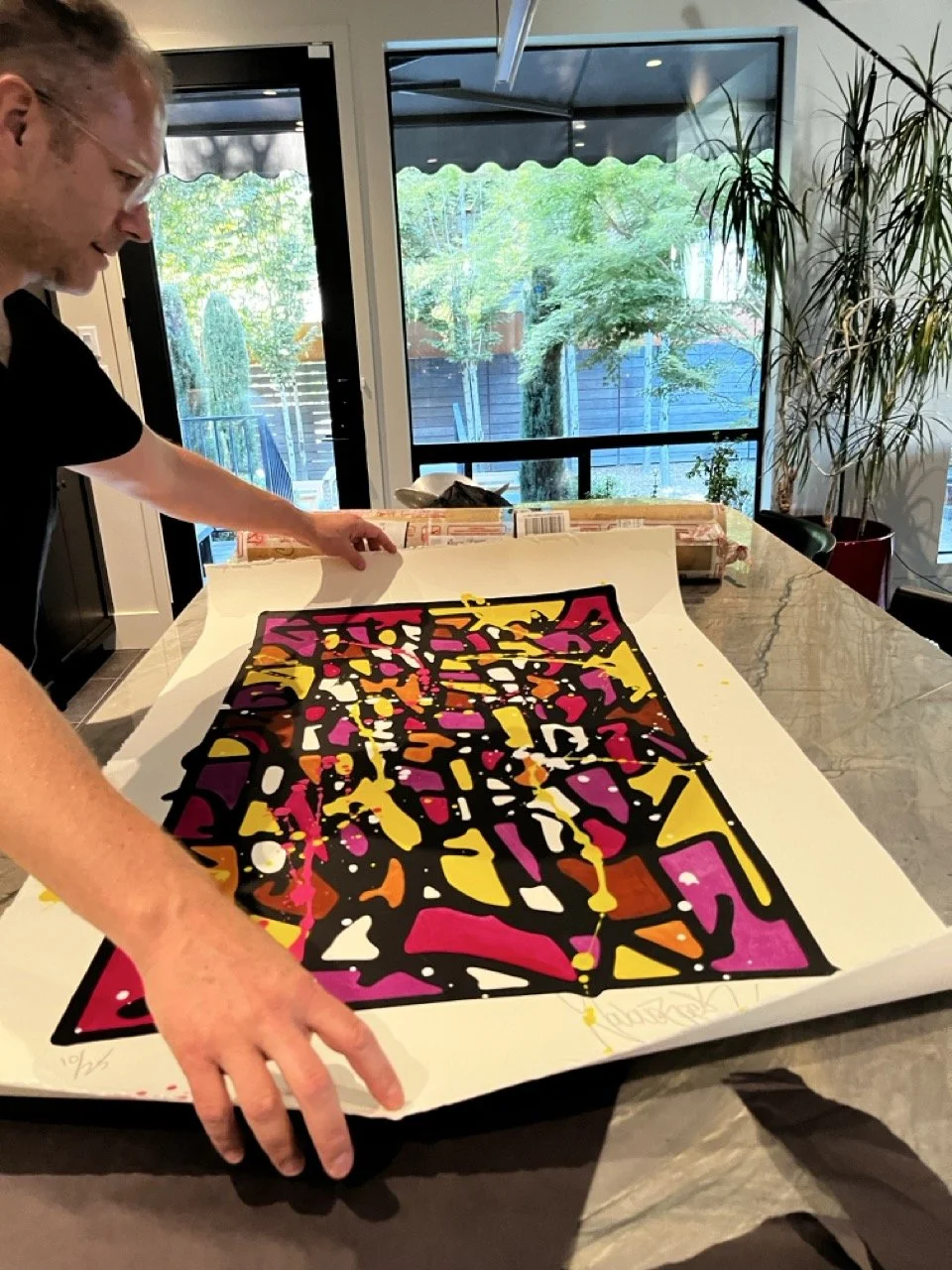
The frame is not an afterthought. It is part of the work.
The right frame can elevate an inexpensive print, modernize a piece that feels dated, or help something you already love finally feel at home in a room. Custom framing costs more than most people expect, but the return is real — it changes how a piece reads in a room.
Frame thickness, finish, mat selection, and mounting style all make a meaningful difference, and there are no reliable rules of thumb. The best thing you can do is bring the work to a knowledgeable framer and have that conversation in person.
Katayama Framing and Luke's Frame Shop are both places we trust, personally and with our clients. It is one of those details that quietly elevate everything around it.
We hope you found something here to inspire your own spaces. If you have questions about design, are considering a project, or simply need a trusted resource, we’d love to hear from you. You can reach us anytime at info@weedmandesignpartners.com, or explore more of our work at weedmandesignpartners.com.
Would you like to receive our Newsletter in your inbox? Fill out the “Stay in the Know” form on our website here.
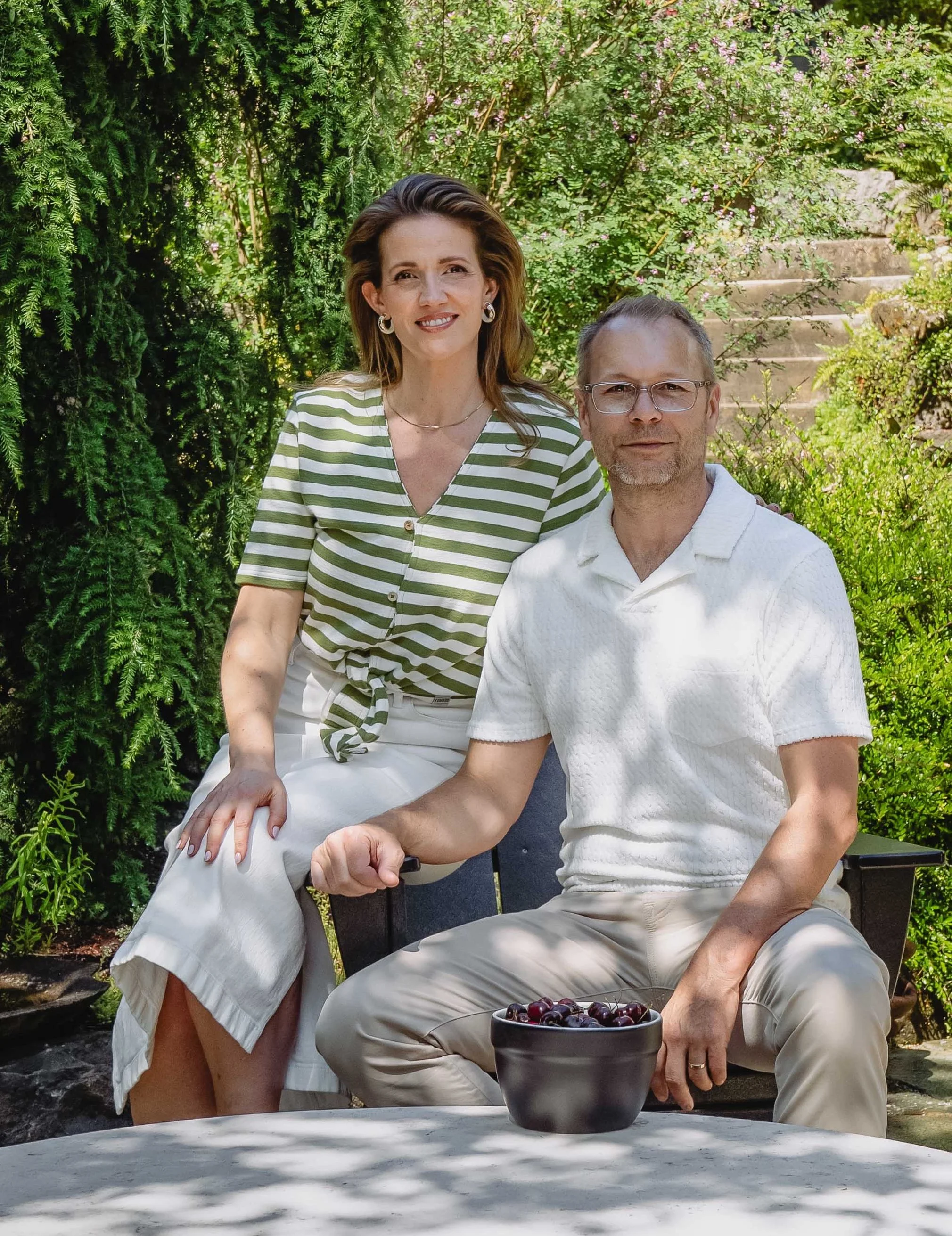
April News from the Studio
In this month’s newsletter, we explore Designing for Connection and the small spatial choices that shape how we gather, collaborate, and settle in. You will also find a preview of Portland Arts Week (Art & Sports) and a few outdoor-season design notes.
Hello!
Spring always brings a particular kind of momentum. Projects move from planning into action, the gallery calendar turns, and suddenly we are all paying attention to the light again, indoors and out.
This month’s reflection is about designing for connection. The small spatial choices that make it easier to collaborate, to linger, and to feel welcome. It is one of the most practical things design can do, and one of the easiest to overlook until you feel the difference.
In this issue, you will also find an update on Portland Arts Week, a look at what is happening in the gallery, and a few outdoor-season notes that can make a patio feel more finished without starting over.
Thank you for staying connected with us.
With appreciation,
Arielle and Travis Weedman
Upon Reflection: Designing for Connection
Connection is not something we leave to chance. It is something a space either supports or quietly interrupts.
Not in obvious ways. In small ways. The distance between seats. The way circulation moves around a gathering spot. Whether joining a group feels natural or like an interruption. Whether there is a place to perch, even briefly, that turns passing through into staying a moment longer.
And it matters because most of us are craving more of it, whether we say that out loud or not. Life is busy. Schedules stack. Screens take up space. We can be “together” all day and still feel a little disconnected.
A home can either make it easy to share a meal, talk for ten extra minutes, and feel grounded again, or it can quietly send everyone to separate corners. In workplaces and hospitality settings, the stakes are similar. People remember how a space made it feel to arrive, to belong, to collaborate, to celebrate. Connection is not a bonus feature. It is part of what makes a space work.
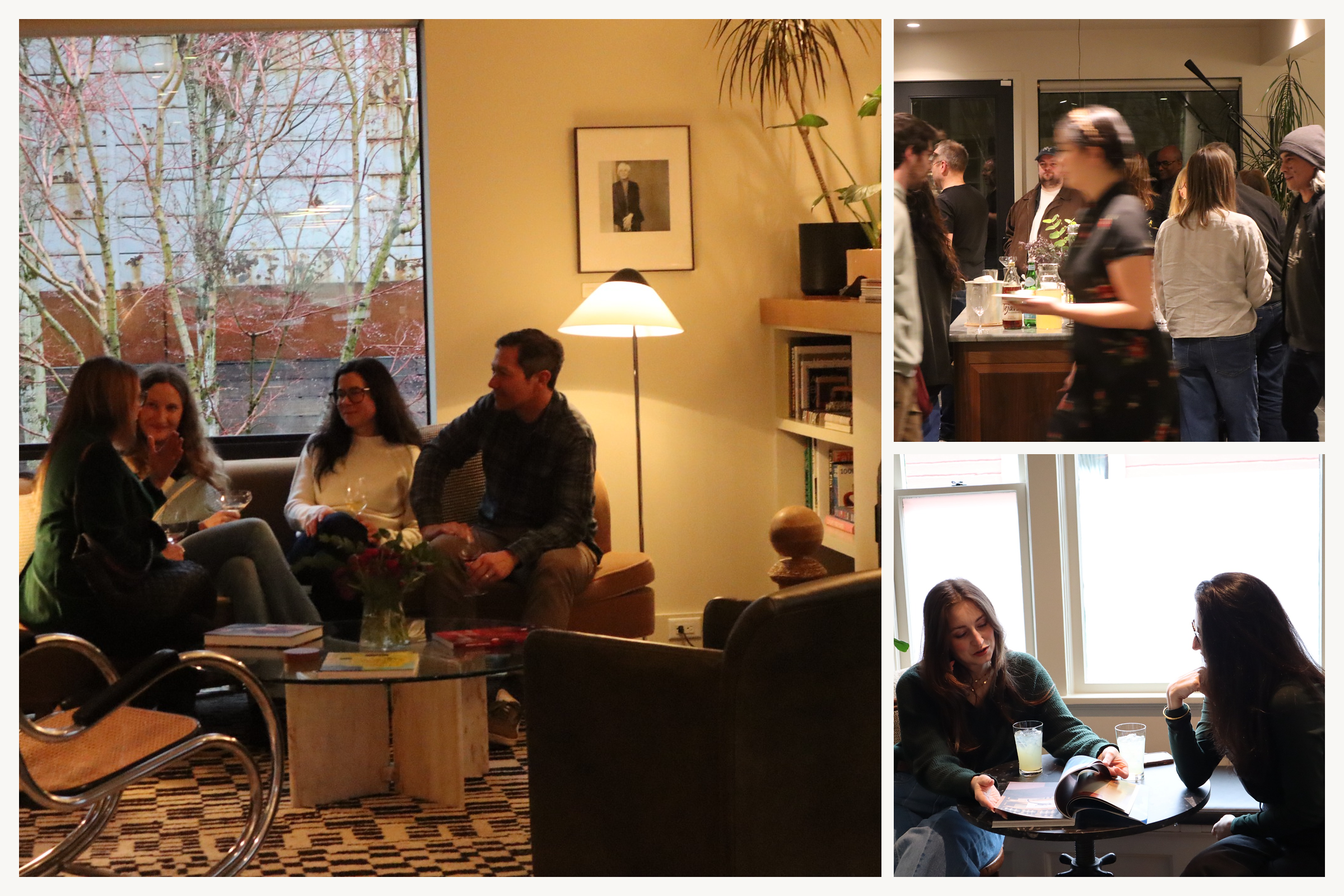
Designing for connection is not about forcing togetherness. It is about creating the conditions where people can come together naturally, in the way that fits the moment. Sometimes that looks like collaboration and energy. Sometimes it looks like intimacy and calm. The best spaces can hold both, and do not ask you to choose.
Collaboration needs ease. It starts with a surface that welcomes people, like a generous kitchen island, a communal table, or a work surface that can handle real life and real work. Clear circulation matters too, so no one feels like they are interrupting when they join in. And the lighting should make faces feel friendly, and ideas feel possible. When connection is easy, it becomes frequent. People participate because the space makes it simple.
Intimacy needs permission. It needs a sense of boundary and softness, not isolation. A nook that feels held. Lighting that lowers the volume of the room. Materials that soften sound and slow the pace. The message is subtle but clear: you can settle in here.
The most powerful connective tool is often distance. Too far apart and people do not engage. Too close and people feel on display. When a conversation grouping is comfortably contained, and there is an easy path around it, people relax. They sit. They stay. They talk without feeling like they are blocking traffic.
And then there is sound, the factor everyone feels and few people name. Connection is hard when a room echoes, when every conversation becomes public, or when you have to work too hard to be heard. Soft materials and thoughtful acoustics can make a space feel instantly more human.
Ultimately, connection is not a style. It is a feeling, and it is available in every kind of space. It is created through choices that make room for people, not just furniture. When we design for connection, we are designing for how life actually happens.
Non-profit Feature: Portland Arts Week
Portland Arts Week is coming, and we are excited to share it with you. Arielle is serving as Vice Chair for this inaugural citywide initiative, helping bring new energy to Portland’s Cultural Corridor.
This year’s theme is Art & Sports, exploring the intersection of athletics and creative practice through movement, performance, identity, design, public space, and community. Portland Arts Week takes place July 9 to 12, 2026, with exhibitions and programming across galleries, museums, and cultural spaces.
The week kicks off with a symposium at the Portland Art Museum on July 9, followed by a special Second Thursday gallery walk later that day. The symposium continues on Friday, July 10, with a special performance at PICA in the evening. On Saturday, July 11, look for a Portland Thorns clinic plus performing arts at Darcelle Plaza. More programming is still to come on July 12.
Details and updates will continue to roll out, and many exhibitions will remain on view beyond the week. For the latest schedule and participating venues, and to join the mailing list, visit portlandartsweek.com.
In the Gallery
Current show: Body Language by Roberta Aylward
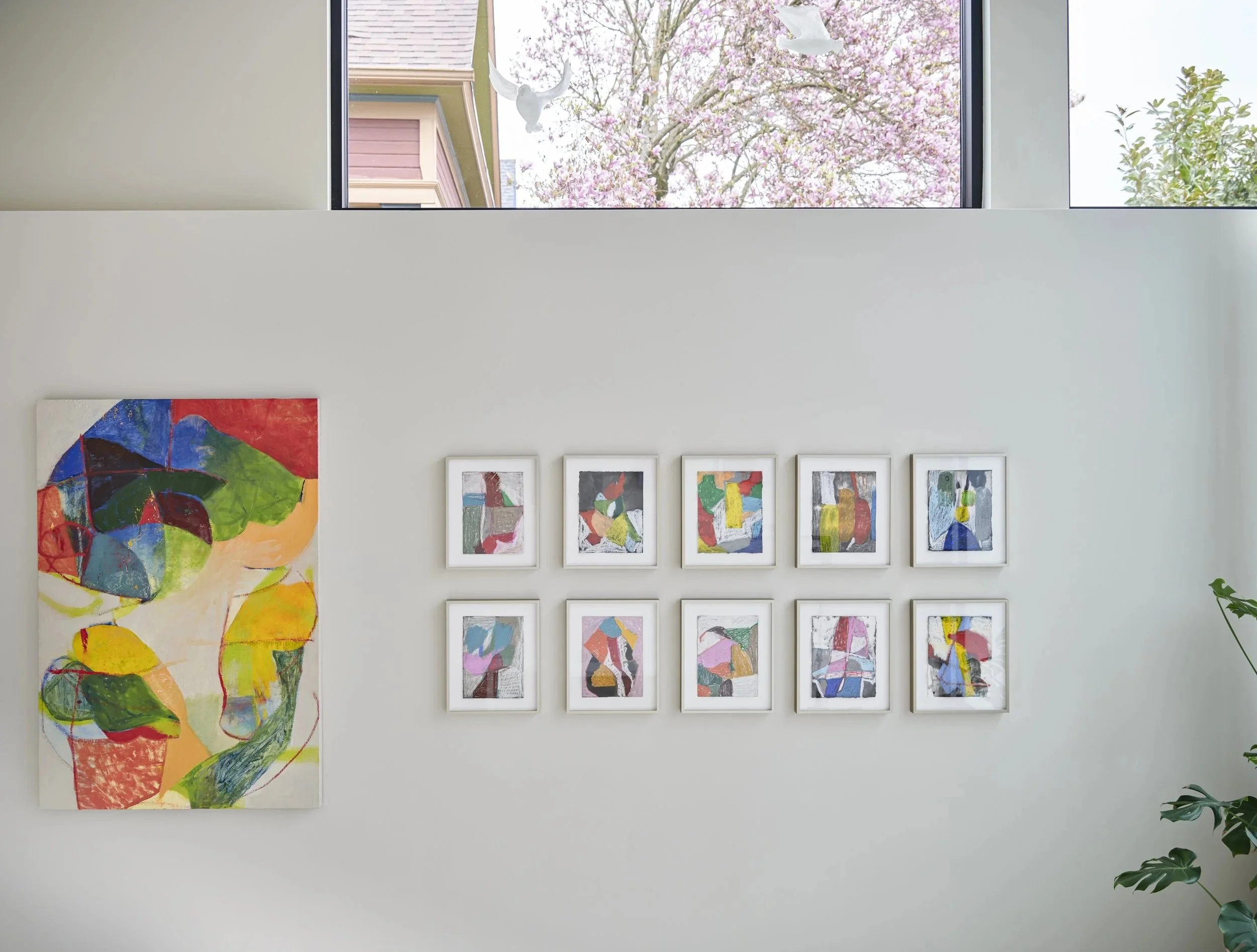
On view through May 8, 2026.
Roberta’s work is intuitive and gesture-forward, pieces that move between abstraction and the figure, often revealing something familiar just as you think you’ve lost it. If you haven’t made it in yet, consider this your last-call nudge. Our gallery is only open by appointment, so please let us know first if you'd like to stop by!
Next show: The Monument Valley by John Acevedo
On view May 16 through June 26th.
Opening Reception: May 16, 5:30 to 7:30 PM
John’s work draws from the monumental forms of the Spomeniks, reimagining them through color, transparency, and abstraction to reflect on unity, memory, and collective identity. We’d love to see you at the opening.
Quick Tips! Outdoor Refresh
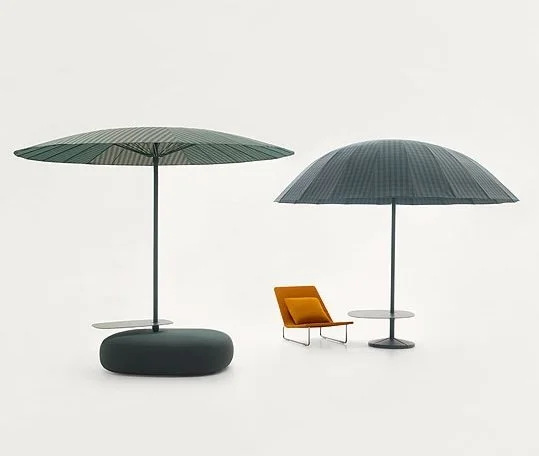
Beautiful and unusual shaped umbrellas from Paola Lenti make a dramatic, sculptural statement to outdoor spaces.
Umbrellas are the outdoor rug.
Think of a patio umbrella the way you would think of a rug inside. It defines the zone, anchors the furniture, and adds a layer of color and texture. The key is scale. When an umbrella is too small, the whole setup feels unfinished. When it is properly sized and thoughtfully chosen, the outdoor space suddenly feels intentional.
Before you replace the set, replace the cushions.
Before you start over with new outdoor furniture this spring, take a closer look at the cushions. Fresh outdoor upholstery or new cushion covers can completely revive a patio set. It is one of the fastest ways to make the whole space feel updated, without the cost or waste of replacing pieces that are still doing their job.
We hope you found something here to inspire your own spaces. If you have questions about design, are considering a project, or simply need a trusted resource, we’d love to hear from you. You can reach us anytime at info@weedmandesignpartners.com, or explore more of our work at weedmandesignpartners.com.
Would you like to receive our Newsletter in your inbox? Fill out the “Stay in the Know” form on our website here.
News from the Studio
Our first newsletter of 2026 is here. We’re sharing a warm studio update, a reflection on longevity, a look at our work on the Oaks Park Dance Pavilion, current and upcoming gallery shows, and a design fun fact about why pillows matter more than you think.
Hello!
Happy New Year, and welcome to our first newsletter of 2026. We are stepping into this year with a lot of excitement in the studio, with great projects on the books and events beginning to take shape.
Portland is buzzing right now, and we loved getting to participate in the Winter Light Festival last month. What an extraordinary event. There is something about seeing the city lit up and gathered together in the middle of winter that feels genuinely uplifting.
In this issue, we’re sharing a reflection on “longevity is the new luxury,” a recent finished project close to our hearts at Oaks Park, updates from the gallery, and a design fun fact that might finally explain why we take pillows so seriously.
With appreciation,
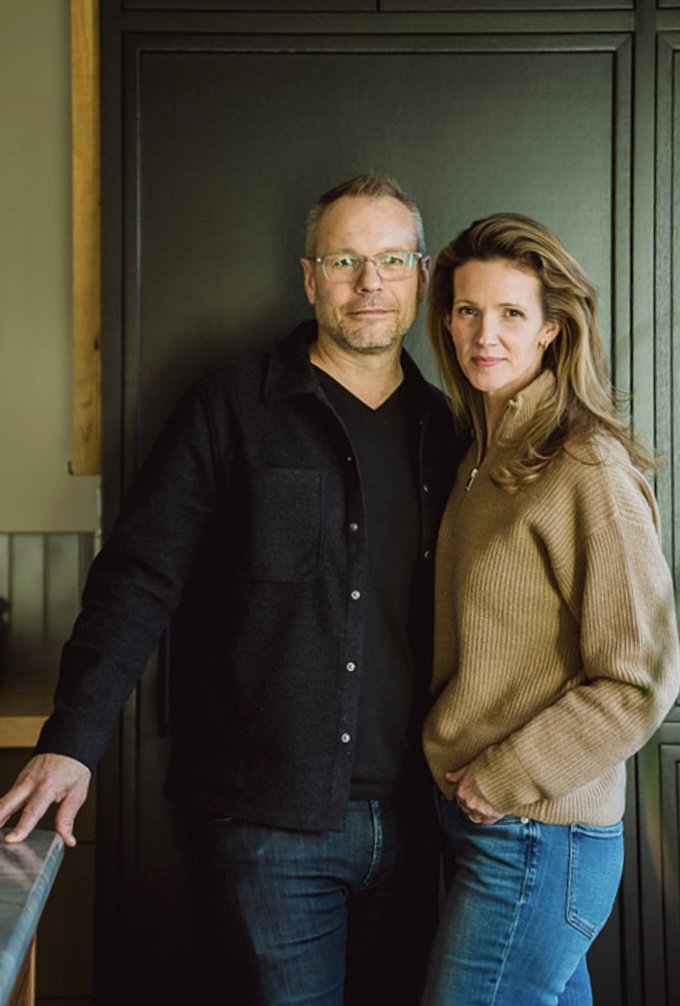
Arielle and Travis Weedman
Upon Reflection: Longevity Is the New Luxury
We’re living in a world that rewards “new” and moves on quickly. But homes, and the people living in them, don’t actually work that way. The spaces that feel the best over time aren’t the ones built to impress for a season. They’re the ones built to be used, touched, and lived in, and still feel good years from now.
That kind of longevity doesn’t have to be exclusive. It’s less about spending more and more about choosing thoughtfully. Sometimes it looks like investing in one well-made piece instead of three placeholders. Sometimes it’s refinishing what you already have. Sometimes it’s choosing a material that can be maintained instead of replaced, something you can oil, wax, repair, and bring back to life when life inevitably happens.
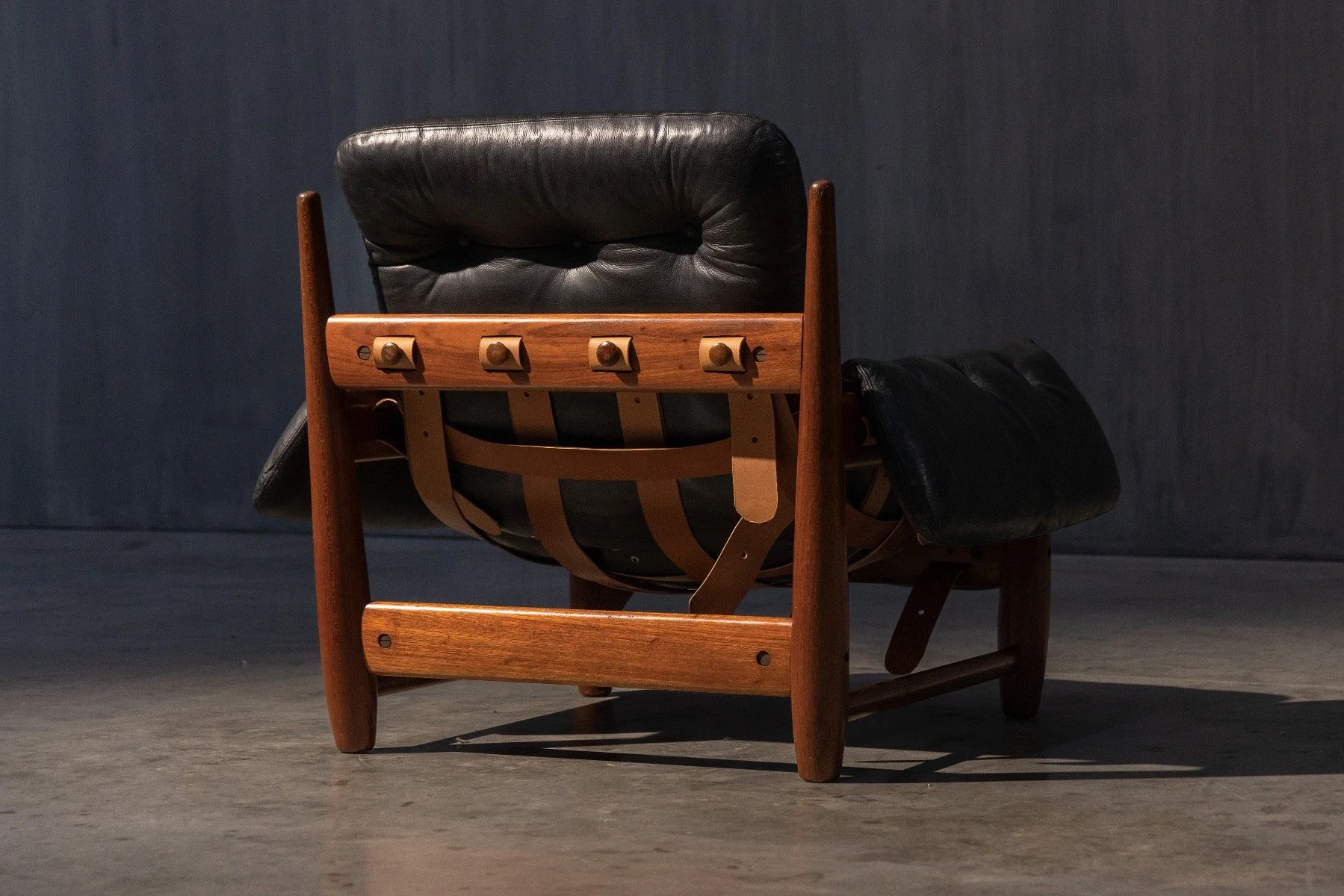
A restored vintage “Mole” Lounge Chair by Sergio Rodrigues, newly acquired for one of our clients. Great design only gets better with time when it’s built to last and cared for along the way.
Natural materials help here because they tell the truth. Wood deepens. Metals soften and patina. Stone wears in, not out. These surfaces don’t “go bad” the moment they’re not pristine. They develop character. They gain history. They become more themselves.
And then there’s the quiet relief of it: making choices that don’t require you to keep making choices. Not because you’re trying to lock in a “perfect” look, but because you chose things with integrity, made for the way you live, where you live, and what the space needs to do. Nothing is there just to fill a gap. Each element is considered, and that intention pays you back over time.
Longevity is the kind of luxury that’s available to anyone willing to slow down, prioritize what matters, and choose fewer things better. Because if it can age with grace, if it can be cared for, repaired, and kept, then it doesn’t just last. It gets better.
Project Feature: Oaks Park Dance Pavilion
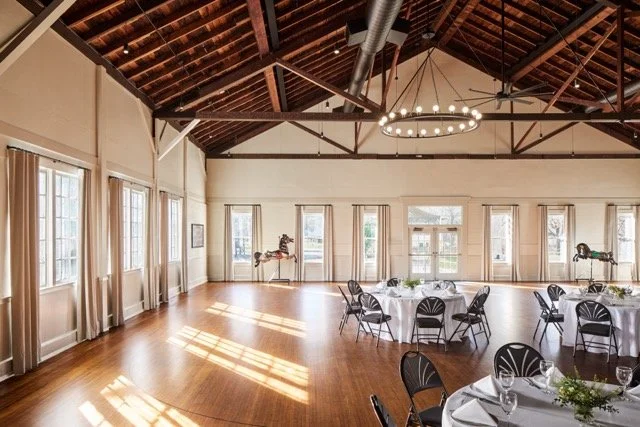
Some places don’t just sit in a city. They live in it. Oaks Park is one of those places.
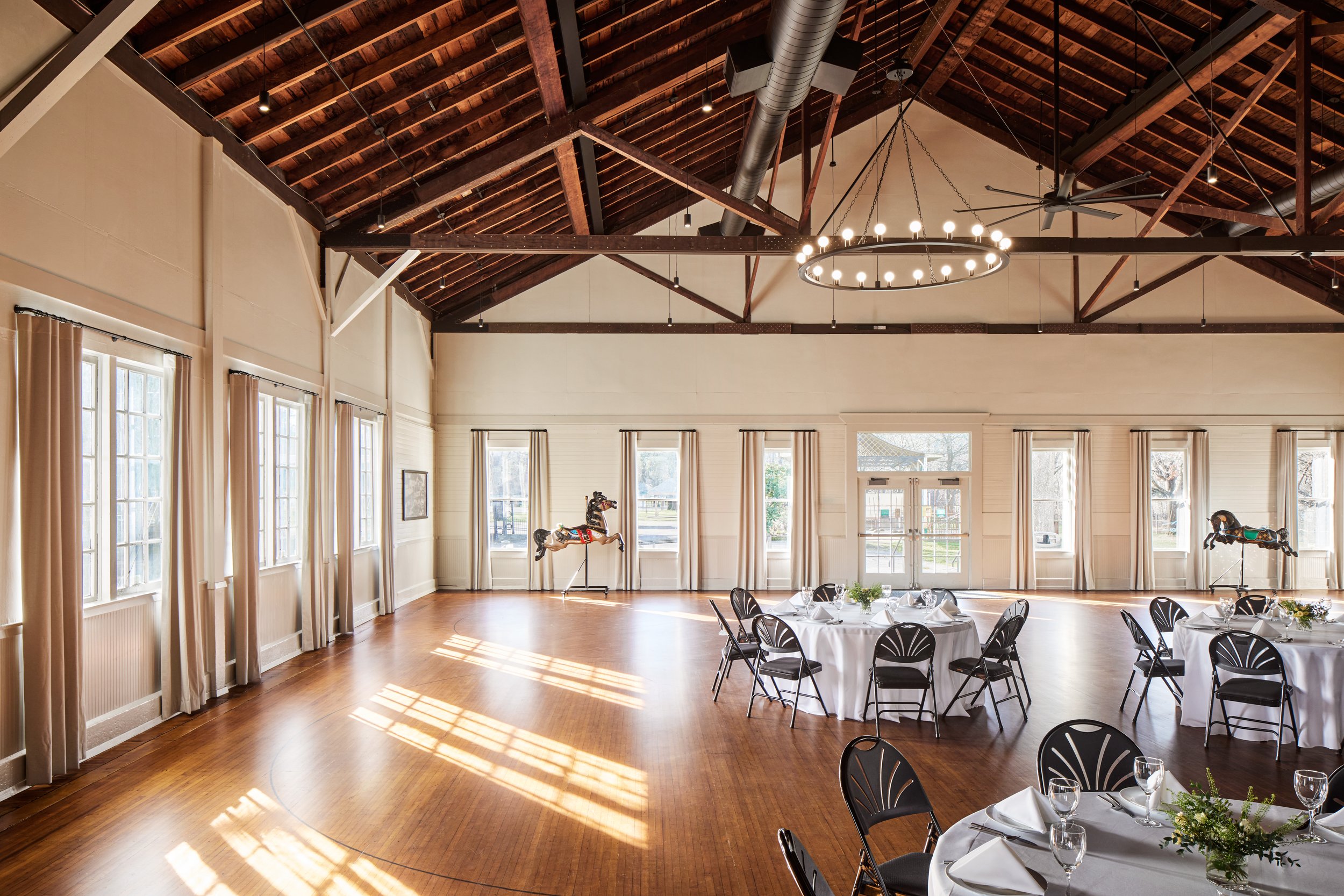
For generations, Oaks Park has been a backdrop for the kinds of memories that don’t need a caption: first dates, family traditions, school outings, fundraisers, weddings, celebrations that keep cycling through the calendar because they matter. The Dance Pavilion is part of that story, originally built in 1905, and still doing what it has always done: making room for people to come together.
Our work here was an act of stewardship. As the interior design team, we oversaw the renovation in close collaboration with the structural and construction teams, guiding the Pavilion into a new era while protecting what makes it historic. We removed a dated drop ceiling to reveal the beautiful wood ceiling and beams, restoring the height, warmth, and character that had been hidden for years. We preserved historic features that carry the building’s identity, including the windows and the signature flooring with dancehall markings. We also made thoughtful improvements that support the Pavilion’s future, including fully upgraded restrooms, an upgraded commissary kitchen, improved accessibility with a new front ramp, and a covered front porch entry that creates a more welcoming sense of arrival.
The space hosts roughly 200 events each year, including corporate functions, fundraisers, weddings and quinceañeras, nonprofit and trade shows, the County Fair, and plenty of birthday and holiday parties. Working with Oaks Park has been a privilege, and we are proud to help ensure the Dance Pavilion remains part of community celebrations for decades to come.
Interested in booking an event at the Dance Pavilion?
In the Gallery
Current show: Within the Continuum by Christopher Belluschi
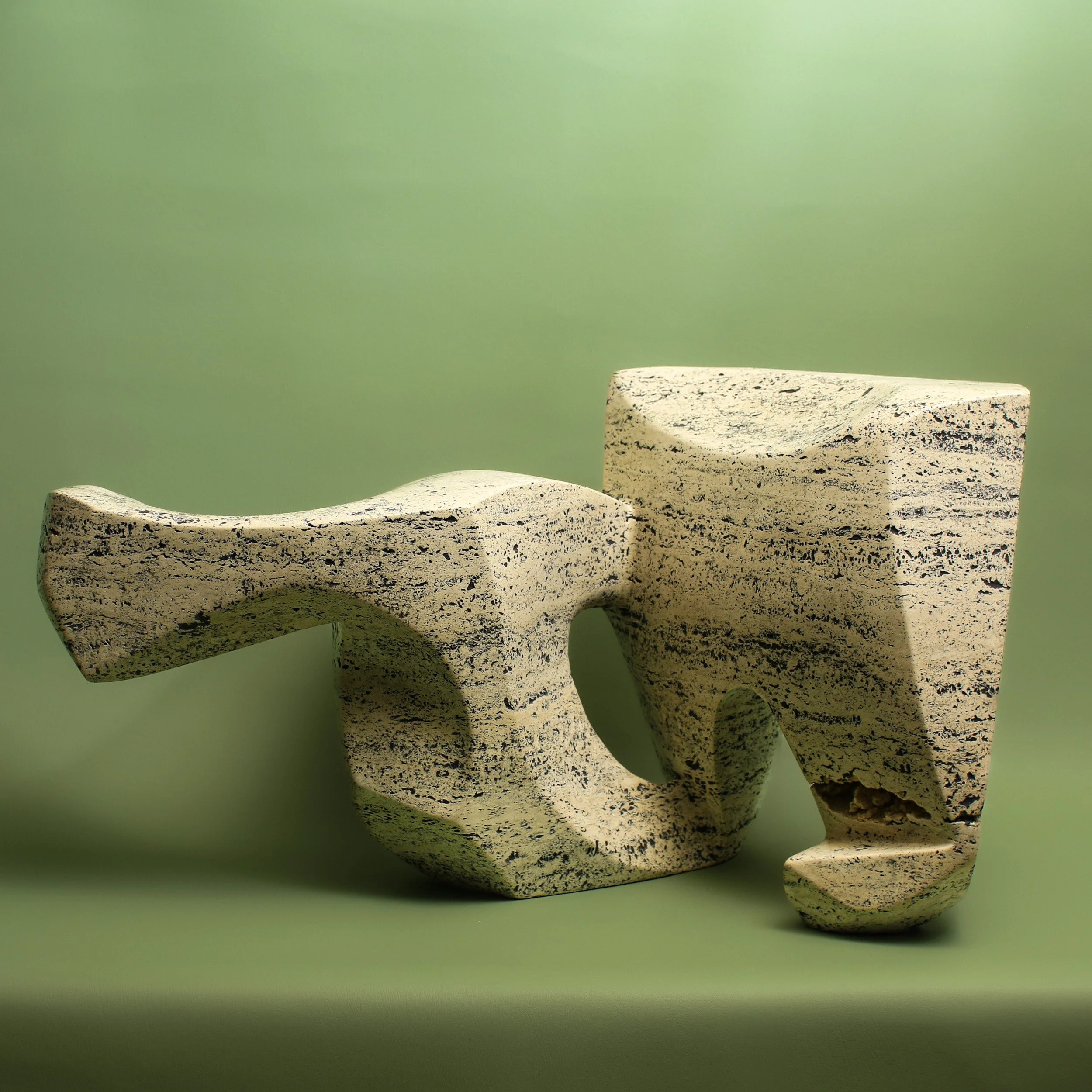
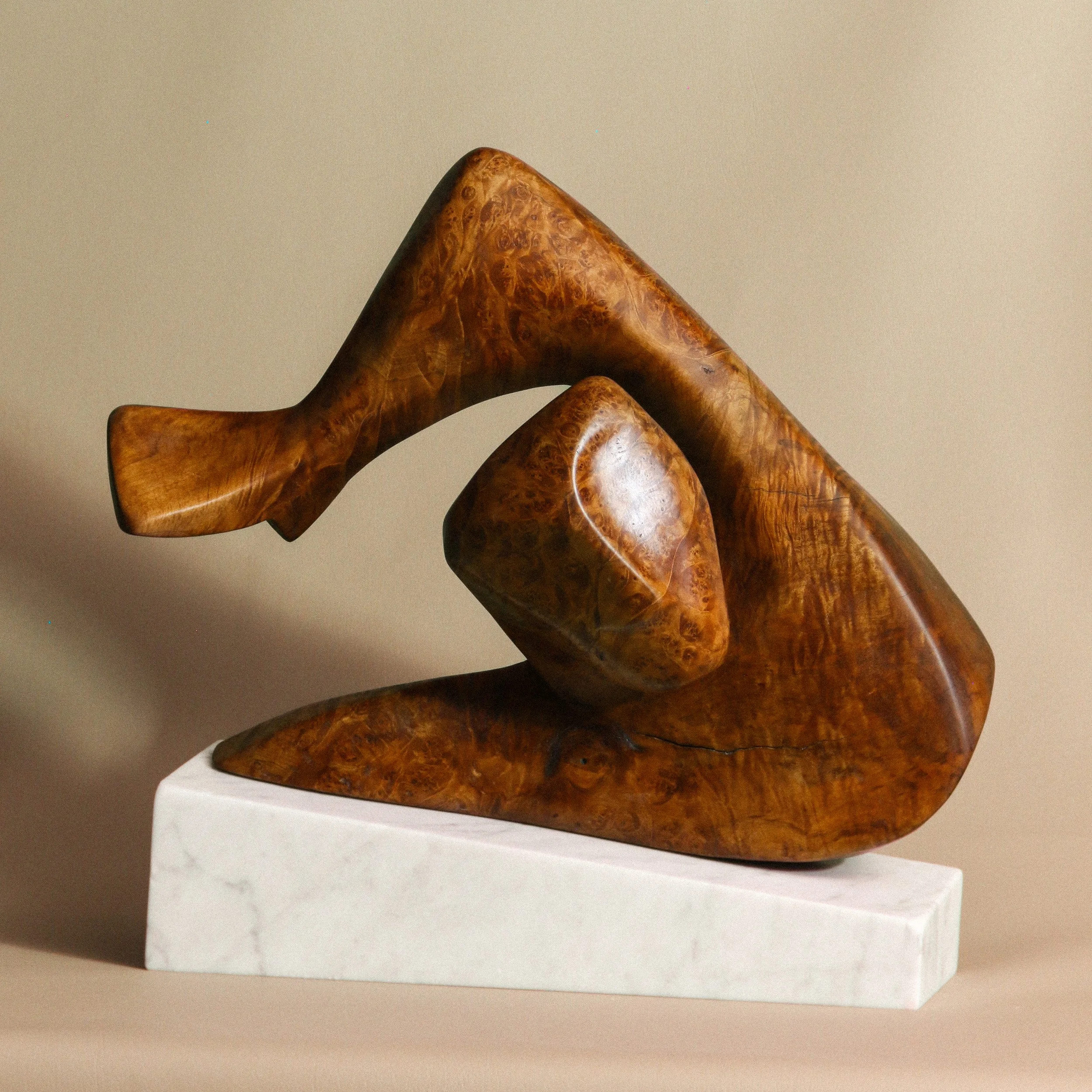
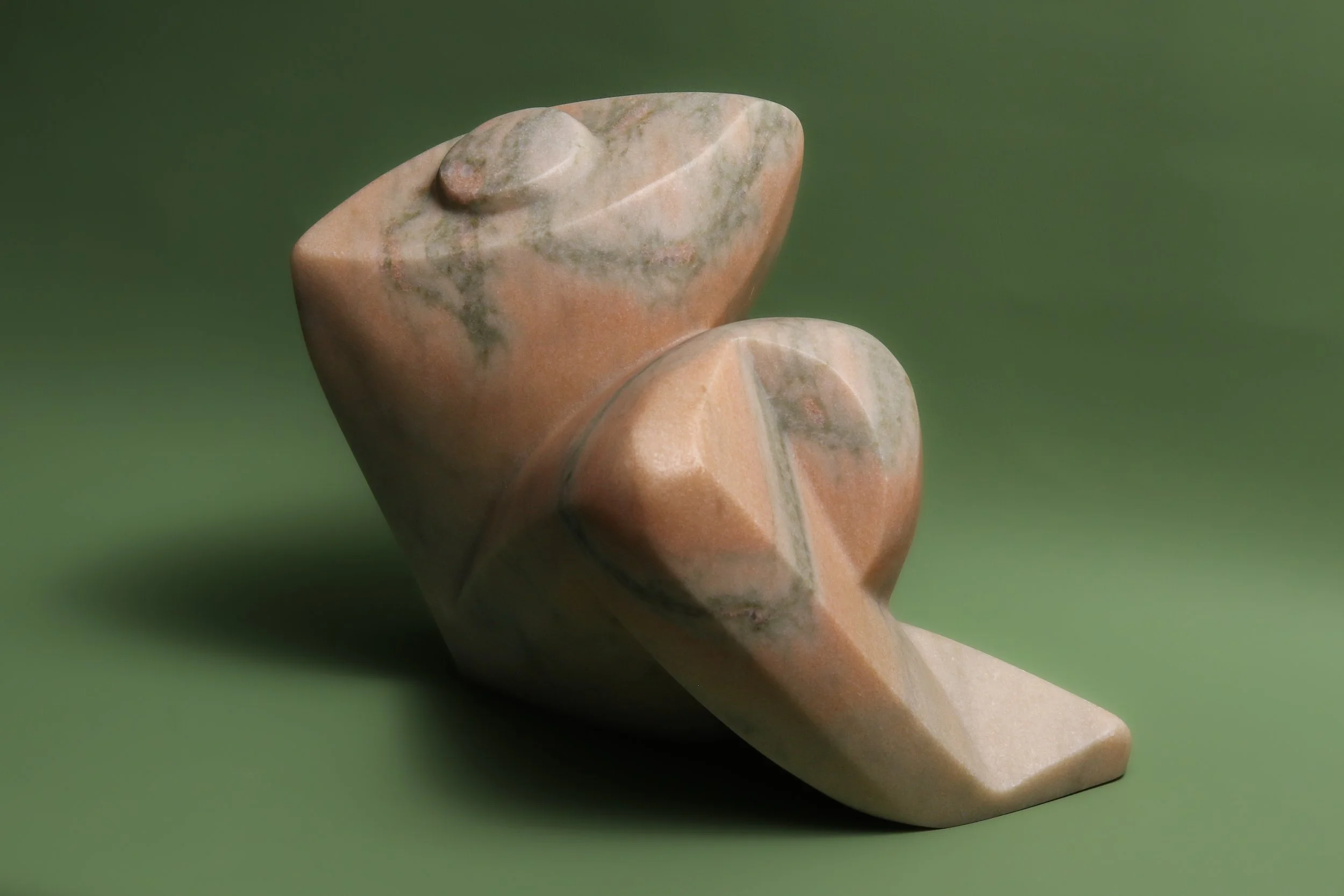
On view through March 6, 2026.
Christopher’s work has a quiet physicality, forms that feel grounded and patient, with a restraint that rewards time and looking. If you haven’t made it in yet, consider this your last-call nudge. Our gallery is only open by appointment, so please let us know first if you'd like to stop by!
Next show: Body Language by Roberta Aylward
On view March 14 through May 8, 2026.
Opening Reception: March 14, 4:30 to 7:30 PM
Artist Interview: 5:30 PM
Roberta’s work is intuitive and gesture-forward, pieces that move between abstraction and the figure, often revealing something familiar just as you think you’ve lost it. We’d love to see you at the opening.
Quick Tip: Pillows are not just fluff!
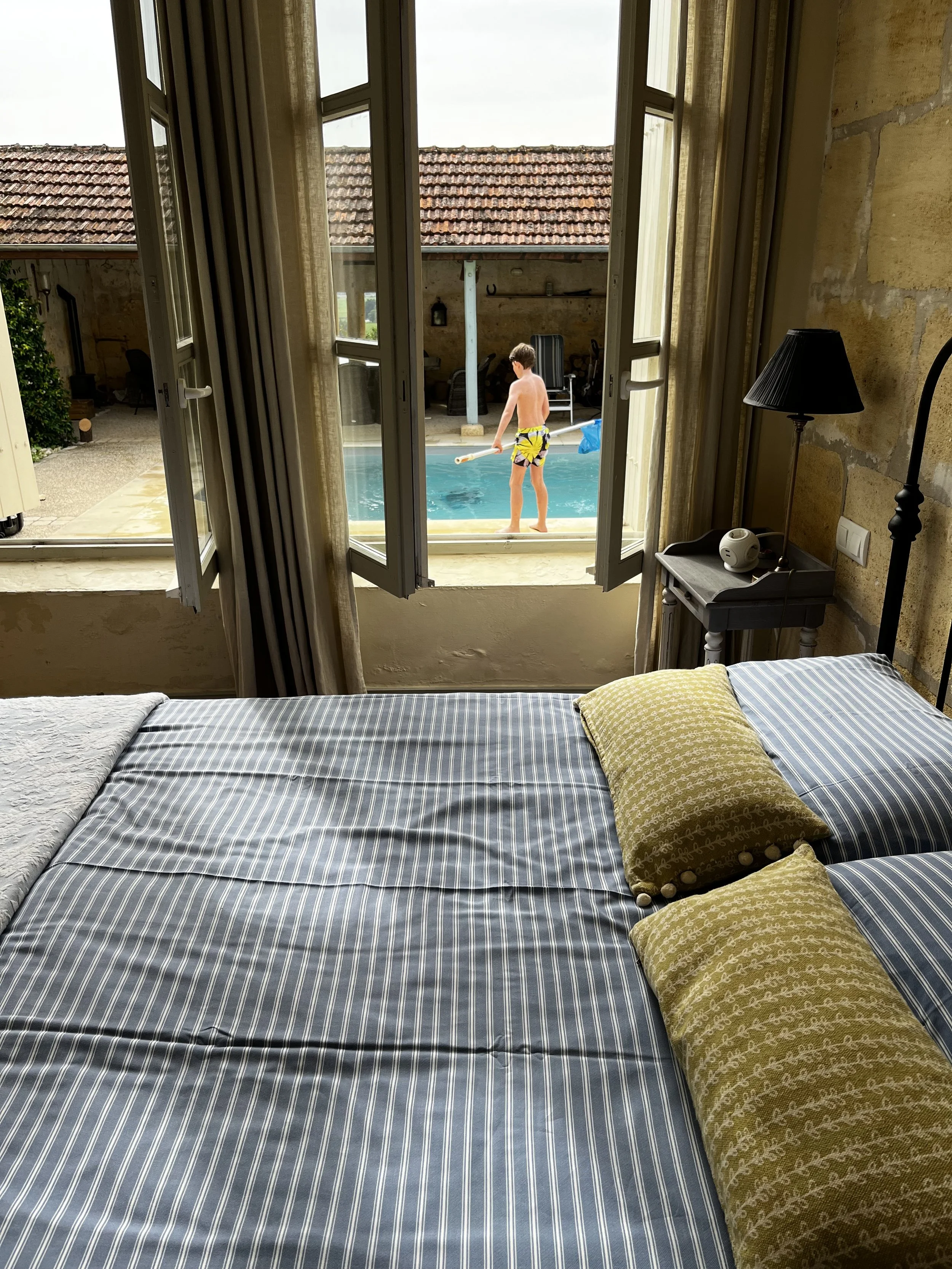
These yellow pillows are the perfect complement to this bedroom in a vacation home where we stayed in L'Aquitaine, France.
Pillows look simple. They are not.
They’re the final touch that can make a room click because they do so many jobs at once. They add comfort and lumbar support, yes. But they also correct proportion, break up a large upholstered mass, soften a line, and create connection between colors and materials that otherwise don’t speak to each other. A pillow can introduce texture, add a little shimmer, bring in pattern, or deliver the one note of contrast the room was missing.
We often have pillows custom made because the details matter that much: the scale, the fabric hand, the insert, the edge finish. When they’re right, the whole room feels more finished, and more believable.
Think of pillows as punctuation. They help the room make sense.
And a gentle reminder: if you have to relocate a small mountain of pillows before you’re allowed to sit down, you’ve overcommitted.
We hope you found something here to inspire your own spaces. If you have questions about design, are considering a project, or simply need a trusted resource, we’d love to hear from you. You can reach us anytime at info@weedmandesignpartners.com, or explore more of our work at weedmandesignpartners.com.
Would you like to receive our Newsletter in your inbox? Fill out the “Stay in the Know” form on our website here.
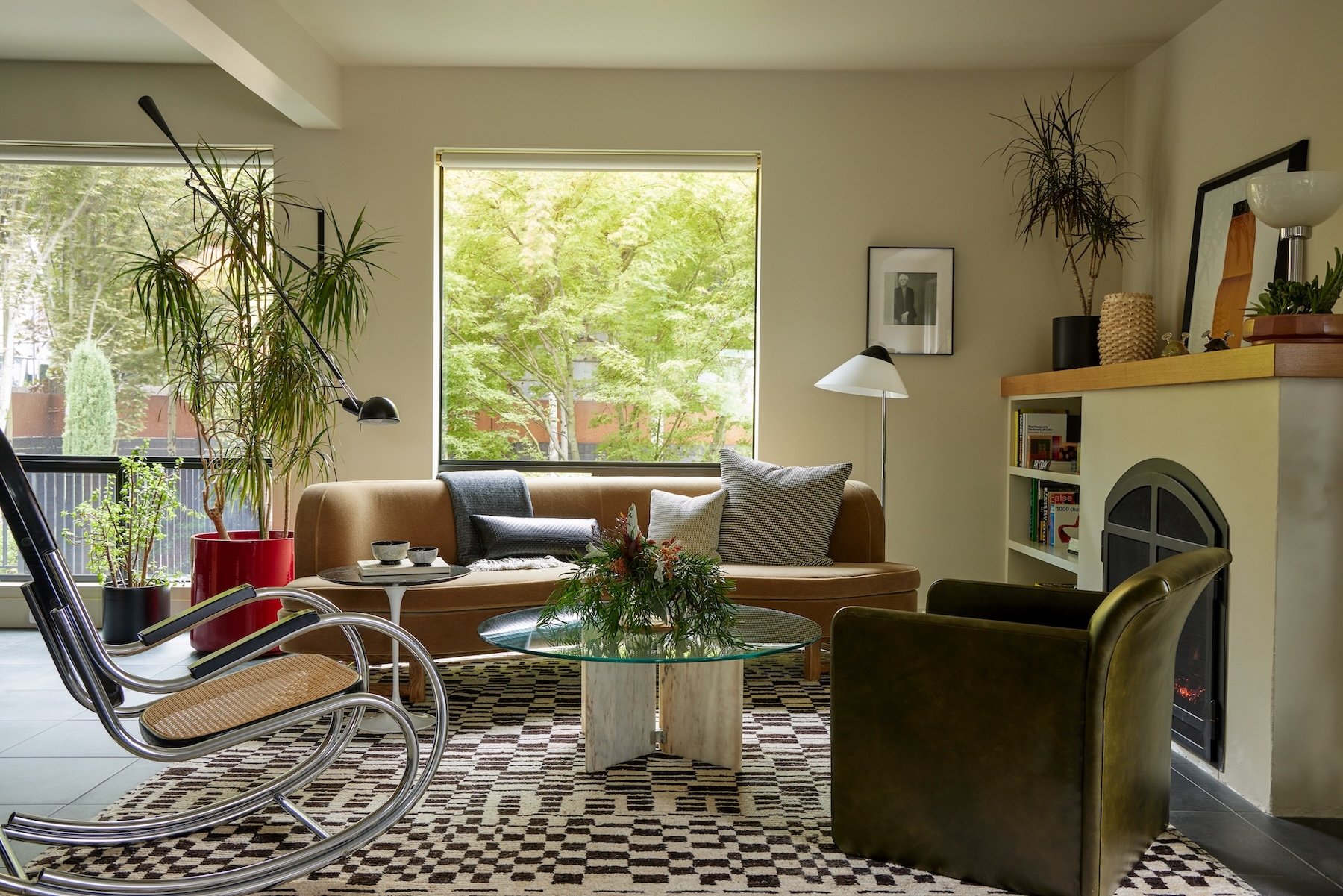
Weedman Design Partners Recognized Among Portland’s Top Interior Designers
We’re honored to be included in a recent Decorilla feature highlighting top interior designers in Portland. The recognition reflects more than two decades of work designing thoughtful, functional commercial and residential spaces across the Pacific Northwest. We’re grateful to be recognized alongside other talented studios shaping the region’s built environment.
We’re honored to be included in a recent Decorilla feature highlighting top interior designers in Portland!
The recognition reflects work we’ve been doing for more than two decades — designing commercial and residential interiors that are thoughtful, functional, and built to last. From creative offices and branded environments to full-home renovations, our projects are shaped by close collaboration and a clear design process.
Based in Portland, Weedman Design Partners works throughout the metro area and across the Pacific Northwest, including Seattle. We’re grateful to be recognized alongside other talented design studios contributing to the region’s built environment.
To learn more about our work, explore recent projects, or browse additional posts on our blog.
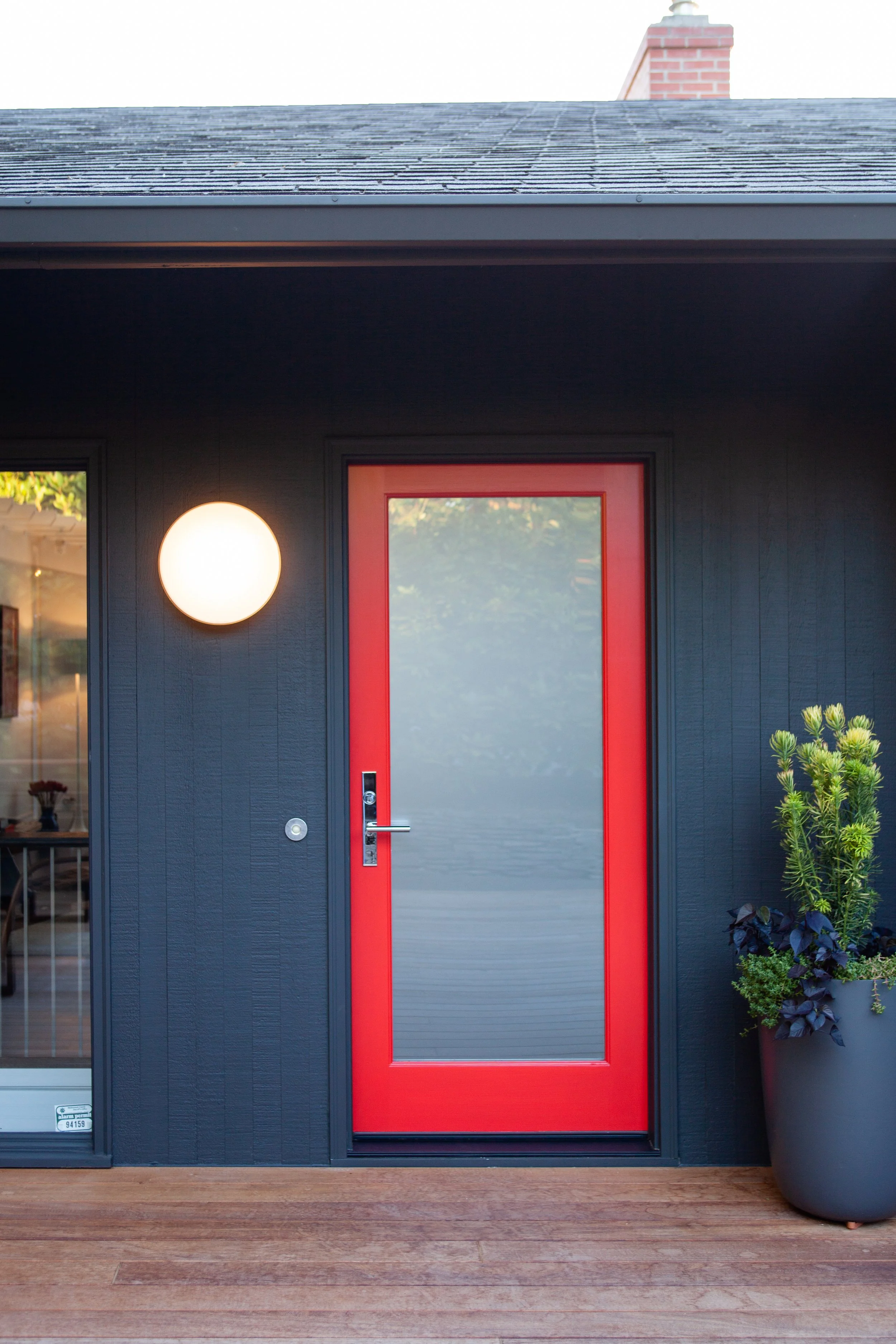
News from the Studio
What makes a space feel welcoming? In our December newsletter, we explore hospitality as a way of thinking about design — from the moment of arrival to the details that invite people to stay a little longer.
Hello!
Welcome to our December newsletter and the close of another year. As 2025 comes to an end, we’ve been reflecting on the work we’ve had the privilege to do and the people we’ve had the chance to do it with. Designing spaces is always collaborative, and we’re grateful for the trust, conversations, and relationships that have shaped the year.
In this issue, we explore hospitality as a way of thinking about space — how environments can feel welcoming, intuitive, and supportive, and why that sensibility shows up everywhere from homes to workplaces. You’ll also find updates from the studio and gallery, along with a community spotlight on Friendly House, a neighborhood organization doing meaningful work close to our studio.
Thank you for your continued interest in thoughtful design and for being part of our community. We look forward to staying connected and sharing more in 2026.
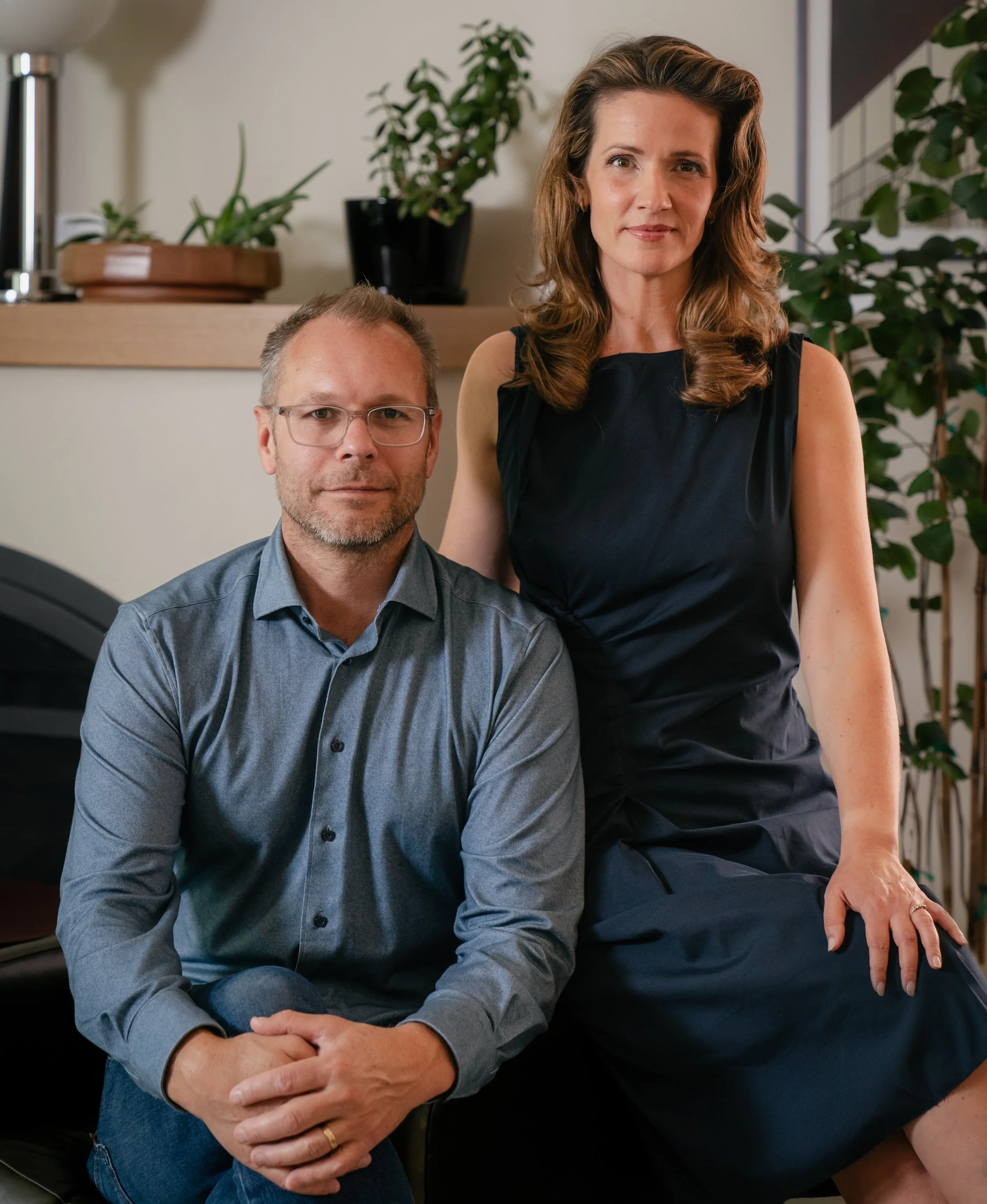
Arielle and Travis Weedman
Upon Reflection: Hospitality Everywhere
Travis and I came into design through hospitality, where success is measured not by how a space looks, but by how it makes people feel over time. Hospitality, at its best, creates places people want to be in. Spaces that feel welcoming, intuitive, and quietly supportive. Places that invite you to stay a little longer than you planned.
That ease is never accidental. The most compelling hospitality environments are built around people first, not aesthetics first. They consider how someone arrives, how they orient themselves, where they pause, where they gather, and how the space supports everyday use. This is what separates sophisticated hospitality from something merely decorative. One feels layered and intentional. The other feels thin, regardless of how polished it appears.
Good hospitality begins with a spatial greeting. The moment of arrival sets the tone through proportion, light, and sightlines. Visual symmetry offers calm. Controlled views create focus. Layered lighting shapes atmosphere and softens transitions as one space unfolds into the next. Rather than flooding a room with brightness, light is used selectively, creating depth and allowing a space to feel alive.

The clubhouse, a favorite hangout at our studio. Photo by George Barberis
Movement through the space is choreographed. Circulation feels natural because it has been considered carefully. Transitions are optimized so no moment feels abrupt or unresolved. Gathering zones appear where people instinctively want to stop. Lounge-style seating encourages lingering. Bar-height surfaces invite conversation. Waiting areas feel social rather than passive. These are not stylistic gestures. They are responses to human behavior.
Sound matters as much as sight. Acoustic softness allows people to settle in and stay longer. Materials absorb and temper noise so conversations feel comfortable, even in shared environments. Tactile finishes add another layer of experience. Surfaces are meant to be touched, not just seen. High-touch materials create a sense of care that people feel immediately, even if they cannot articulate why.
Operational intelligence sits quietly beneath it all. Storage is concealed. Lighting is controlled. The mechanics of the space disappear so the experience feels effortless. Nothing feels off-the-shelf because nothing is treated as incidental. Each element contributes to the narrative that the space is telling.
This way of thinking now extends far beyond hotels and restaurants. Workplaces and homes alike borrow from hospitality when they prioritize atmosphere, connection, and memory alongside function. As the boundaries between living, working, and gathering continue to blur, hospitality offers a clear guide. Not as a style to imitate, but as a mindset rooted in generosity.
When people are placed at the center of design, spaces become more than environments. They become experiences that stay with you. The kind you remember, return to, and never quite want to leave.
Community Highlight: Friendly House
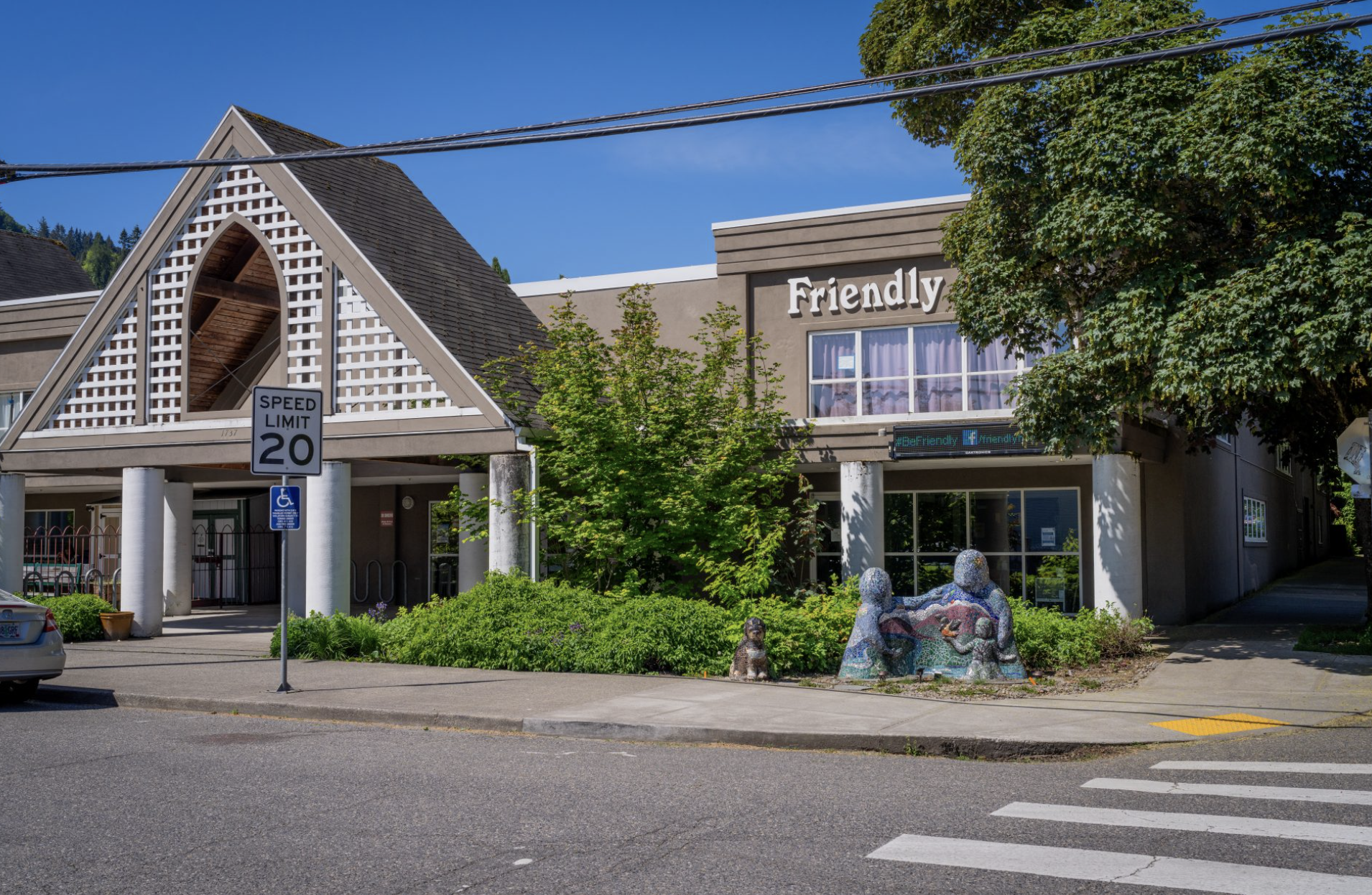
Friendly House, 1737 NW 26th Ave, Portland
Friendly House is one of those places that quietly makes a big impact. Located in our neighborhood, just a short distance from our studio, it has been bringing people together in meaningful ways for nearly a century. From early childhood programs and after-school care to senior support, fitness classes, and inclusive neighborhood events, Friendly House supports people at every stage of life.
Their work serves individuals and families of all ages and backgrounds, including dedicated programs for LGBTQ+ seniors, helping ensure that everyone has a place to feel seen, supported, and connected. This year, Travis joined the Friendly House board, deepening our connection to an organization whose values align closely with our own. If you’re not familiar with Friendly House or haven’t had the chance to visit, we encourage you to explore what they offer and consider joining us in supporting their work.
If you’re looking for a local organization to support this season, Friendly House is doing work that truly makes a difference. Learn more or donate at fhpdx.org.
In the Gallery
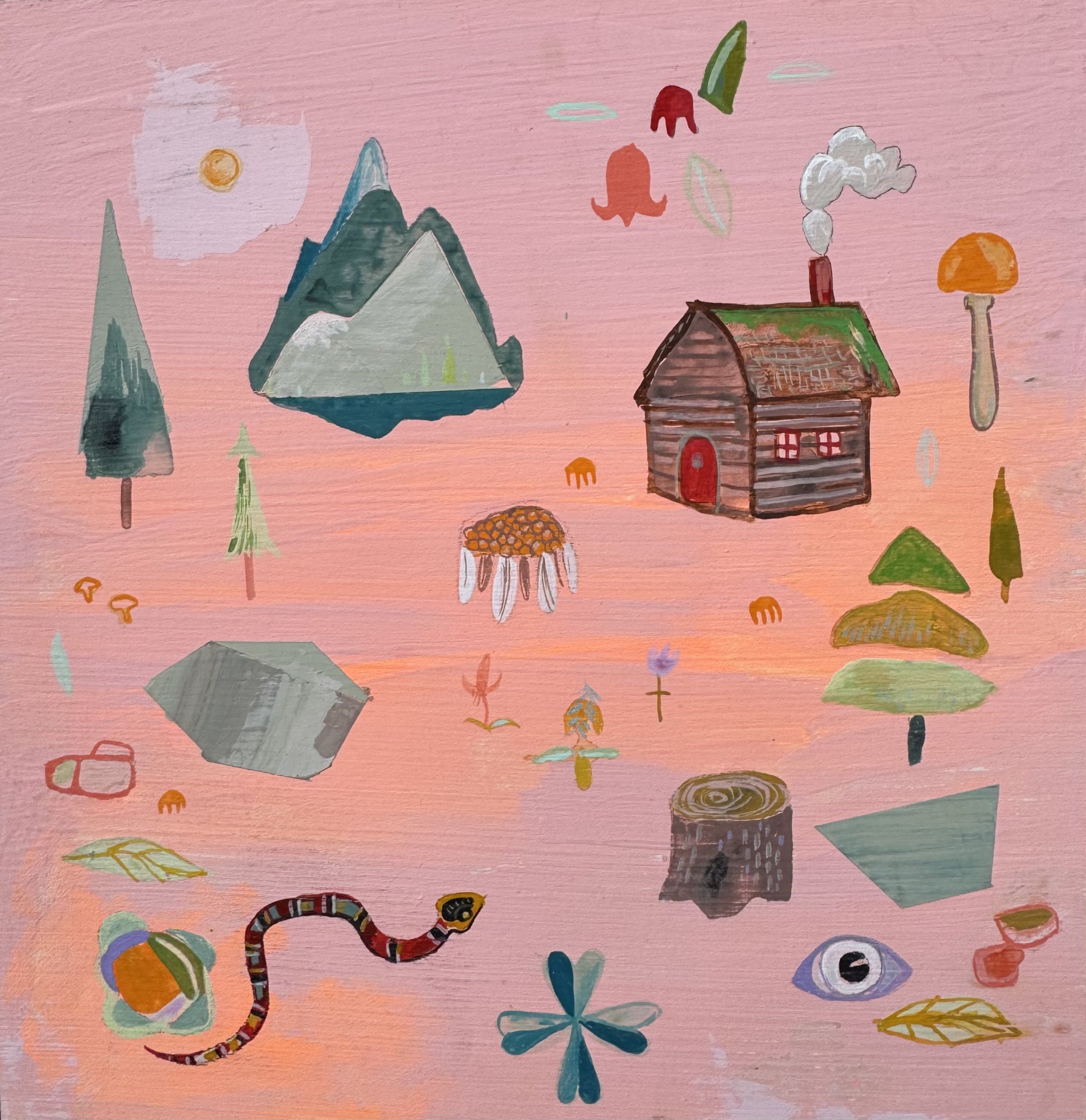
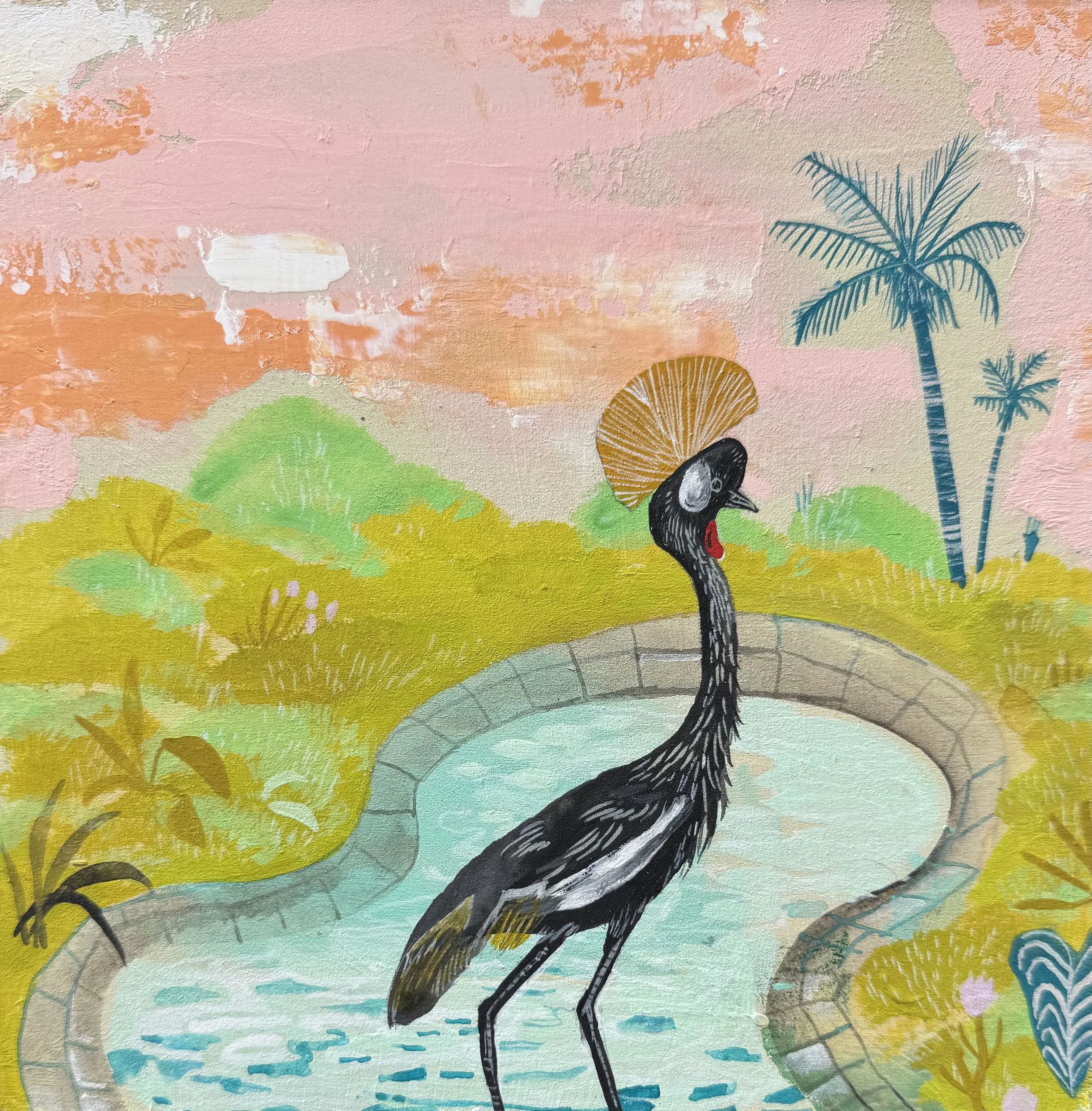
Our current exhibition features Portland-based artist Wesley Younie and his body of work, Forgotten Isle, a richly imagined world where beauty and unease quietly coexist. Drawing on influences that range from Chinoiserie and fairy tales to natural history and popular media, Younie’s paintings explore the blurred boundaries between the organic and the artificial, the ancient and the modern. His meticulously layered compositions of flora, fauna, and fantastical architecture reflect the tensions of contemporary life, where reverence for nature collides with overdevelopment and digital escapism.
The exhibition will be on view through January 9, and Wesley will be holding open studio hours on Friday, December 19, from 12–4 PM. We were thrilled by the energy and turnout at the opening on December 10 and invite you to stop by to experience his work firsthand!
Quick Tip!
See your space like a guest! One of the simplest ways to understand a space is to experience it the way a guest would. Walk through your home as if you’re seeing it for the first time. Notice what you see, what you feel, and even what you smell upon entry. That first impression carries more weight than we often realize.
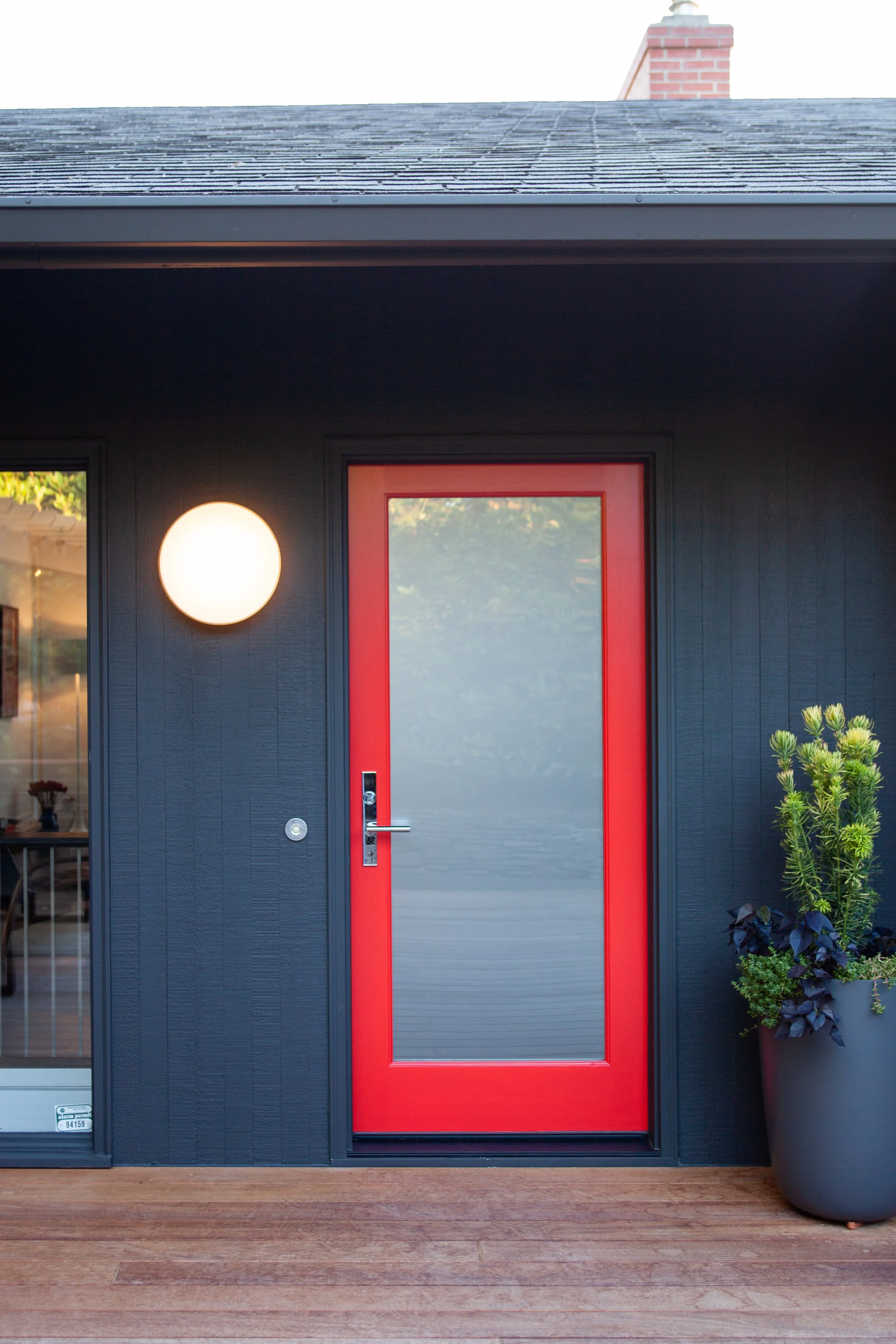
Two of our favorite ways to gain perspective are surprisingly simple. Step outside and re-enter your home, paying attention to how the space greets you. Then take a few unstaged photos throughout the house. When you review them later, patterns tend to emerge. What draws the eye, what feels cluttered, and what quietly works may become clearer.
Design impact often begins with awareness.
We hope you found something here to inspire your own spaces. If you have questions about design, are considering a project, or simply need a trusted resource, we’d love to hear from you. You can reach us anytime at info@weedmandesignpartners.com, or explore more of our work at weedmandesignpartners.com.
Would you like to receive our Newsletter in your inbox? Fill out the “Stay in the Know” form on our website here.

News from the Studio
This month, we’re talking about why some spaces instantly feel right. From flexible layouts that adapt to how we live and work, to the subtle role lighting plays in emotion and connection — our October newsletter explores design that goes beyond the surface.
It’s a reflection on intuition, art, and the details that make a space truly human.
Hello!
Welcome to the first edition of our Weedman Design Partners newsletter. Every other month, we will share a brief letter about what we are exploring, building, and noticing in the worlds of design and art.
In this issue, we look at why some spaces instantly feel good, a question that continues to shape our work across residential and commercial interiors. You will also find what is new in our gallery, notes from recent studio happenings, and a practical tip or two.
We appreciate your readership and your interest in thoughtful environments. We hope you enjoy.
Arielle and Travis Weedman
Upon Reflection: Why Some Spaces Instantly Feel Good
There is a moment when you enter a room and your body understands it before your mind catches up. The space feels composed, gracious, inevitable. Everything within it seems to breathe at the same rhythm. That sensation is not a trick of styling. It is the result of a set of relationships that quietly align.
Designers spend lifetimes studying why. We talk about proportion, light, texture, and flow, but beneath those tools sits a more elusive idea: harmony. Ancient builders and the principles of feng shui describe it as the balance of forces. Modern practice might call it spatial coherence. Both point to the same truth. Space carries energy, and that energy can settle us or unsettle us.

Mood Board Development from our Sunset Lake Project
Proportion is relationship rather than symmetry. A ceiling height that opens just enough to give breath without diluting intimacy. A window placed so daylight travels across a wall at the right hour, revealing surface and shadow in sequence. Circulation that contracts before it expands so the mind registers arrival. These are choreographies of feeling as much as movement. The best rooms do not perform for attention. They hold you in place with quiet conviction.
Light and color follow the same logic. Every surface has a role in reflecting or absorbing, revealing or retreating. Light wants a soft plane to land on and a darker plane to rest against. Color wants to belong to the light that touches it. A pale wall that glows in morning sun can feel thin at dusk unless the ambient tone is tuned to support it. The work is not to make a room bright. The work is to let a room feel alive through the day.
Material is a form of timekeeping. Stone that reads cool and grounded, wood that warms with touch, textiles that soften edges and slow echoes. These are not merely finishes. They are cues to the nervous system. A well-considered interior often pairs opposites. Smooth with texture. Warm with cool. Dense with open. The room gains depth by allowing contrasts to converse rather than compete.
When proportion, light, color, and material are in dialogue, a room gains presence. It feels complete but never fixed, ordered yet still breathing. That is the distinction between design that pleases the eye and design that settles the spirit. We recognize it immediately, not because we have analyzed it, but because it remembers something essential about being human.
In the News!
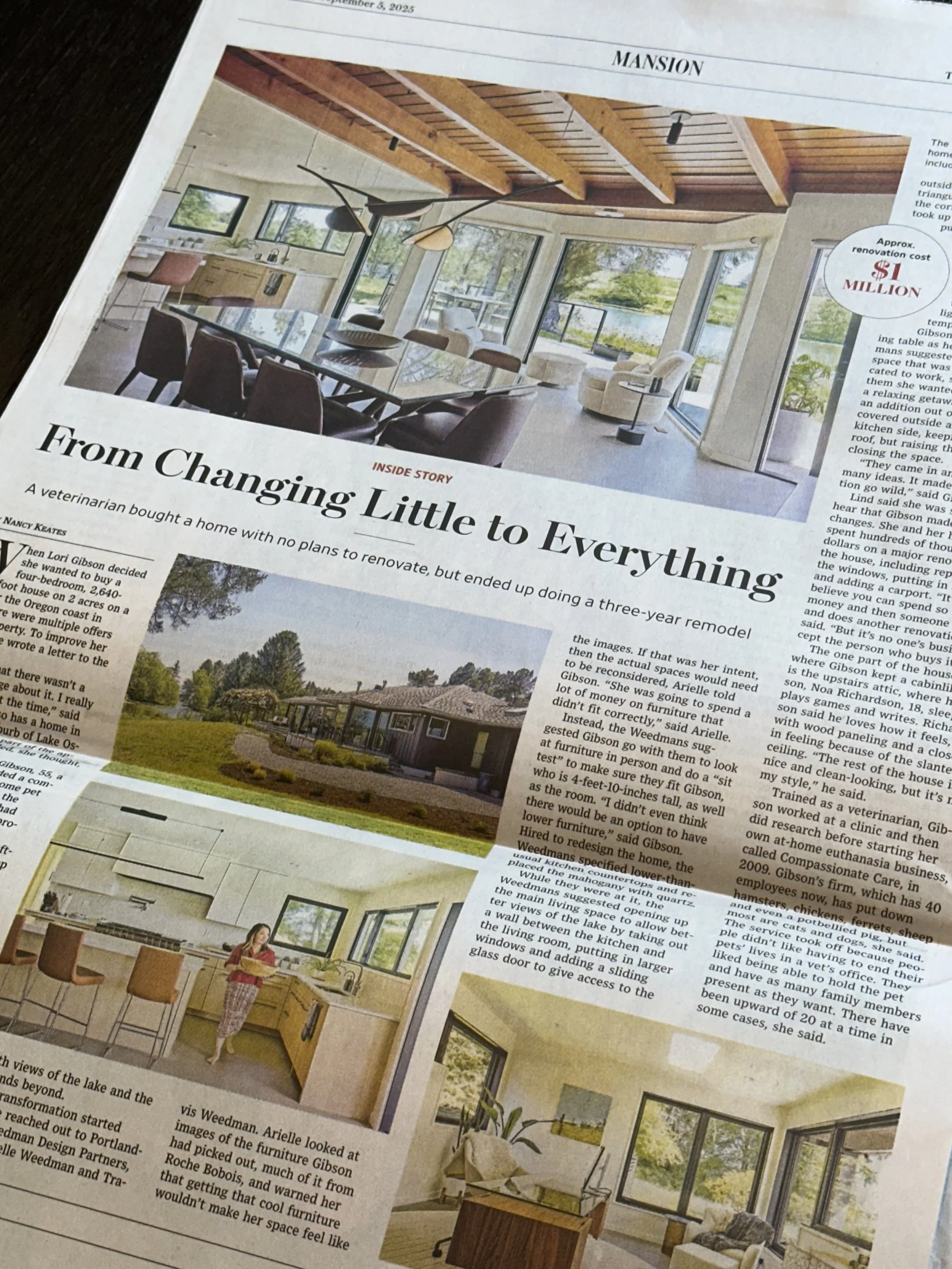
Written by Nancy Keates
Photo Credit: George Barberis for the WSJ
Our Sunset Lake Residence was recently featured in The Wall Street Journal in an article titled “From Changing Little to Everything.” The piece explores how plans for new furniture evolved into a complete reimagining of a mid-century lakefront home. The project’s design balances restraint and transformation, preserving the home’s quiet presence on the water while introducing a new clarity of form, material, and light. Exposed beams, polished concrete floors, and uninterrupted views of the lake create a calm tension between warmth and precision. We’re honored to see the work recognized in a publication that celebrates thoughtful design at every scale. You can read more about the story behind the home and its design process on our blog.
In the Gallery


Our current exhibition features acclaimed Portland artist Eva Lake, known for her bold, meticulous collage practice and her ongoing exploration of image, memory, and meaning. Lake has exhibited widely over several decades, and this show presents a focused selection of recent work that rewards close looking.
Eva is hosting open gallery hours on Thursdays, 12-5 p.m., and Fridays, 12-4 p.m. Visitors are welcome to stop in, meet the artist, and see the show. Her show will be up until December 5th.
Our next artist in the gallery is a long-time friend and colleague, Wes Younie. Check back for updates about his opening on our website here.
Quick Tip!
Think in layers, not lumens. Overhead lighting handles function, but it’s the supporting layers that make a room feel complete. Wall sconces, art lighting, floor lamps, and integrated architectural glow each add depth. Vary intensity and height to let light sculpt rather than flatten a space.


Vintage lighting, like these fixtures from Little Pepite Store, offers points of interest, character, and warmth.
We hope you found something here to inspire your own spaces. If you have questions about design, are considering a project, or simply need a trusted resource, we’d love to hear from you. You can reach us anytime at info@weedmandesignpartners.com, or explore more of our work at weedmandesignpartners.com.
Would you like to receive our Newsletter in your inbox? Fill out the “Stay in the Know” form on our website here.

We’re a finalist for a Gray Award!

Wow, we are so grateful to be recognized as a finalist in the Workplace Category for the 2024 Gray Awards, for our very own studio office. So cool! Thank you Gray Magazine for your continued support of the creative community and showcasing the amazing talent in the PNW and beyond. And a special 🥂 to our team that helped to make this beautiful space come together ✨